1st of the Month Wrangle: How Direct-to-Consumer Thinking Can Shape Vacation Rental Marketing with Orlie Benjamin and Patti Ziegler

 Apple Podcasts
 Spotify
 Amazon Music
 Castro
 RSS Feed
 In this third episode of First of the Month Wrangle, presented by Lasoh, we are joined by Orlie Benjamin, Founder and CEO of Lasoh, and Patti Ziegler, Orlie’s longtime mentor and former leader at Scotts Miracle-Gro.
Before building Lasoh, Orlie worked with Patti across direct-to-consumer marketing, brand building, innovation, and partnerships. That experience shaped how she thinks about customer relationships, distribution, and the value of knowing the people behind each purchase.
That same thinking applies in vacation rentals. OTAs may help bring guests in, but operators still need a way to understand who those guests are, stay connected, and create reasons for them to book again.
Orlie and Patti also share the mentorship behind that journey, including what it means to take a chance on someone, recognize when a role is no longer the right fit, and support a person as they move toward something bigger.
We discuss:
00:51 - Meet Patti Ziegler and learn how she worked with Orlie
02:04 - Building a direct-to-consumer brand from zero to one
03:19 - How established brands create new pathways to the customer
08:39 - What retail distribution can teach operators about OTAs and direct bookings
11:50 - How direct-to-consumer thinking shaped Lasoh
13:36 - The mentorship behind Orlie’s move into entrepreneurship
21:46 - How a career pivot brought Orlie closer to her purpose
28:33 - What vacation rental operators can learn from full-funnel marketing
30:46 - Why awareness, conversion, and guest loyalty all need attention
36:23 - Building a business in a way that still supports people
40:22 - Why the guest experience is central to Orlie’s work in vacation rentals
Learn more about Lasoh:
Website: https://tinyurl.com/52nvyw8t
LinkedIn: https://www.linkedin.com/company/lasoh/
Facebook: https://www.facebook.com/people/Lasohio/61575721958679/
Instagram: https://www.instagram.com/lasoh.io
Connect with Orlie:
LinkedIn: https://www.linkedin.com/in/orliebenjamin/
Facebook: https://www.facebook.com/profile.php?id=61585160391720
Instagram: https://www.instagram.com/orlie.benjamin/
Connect with Patti:
LinkedIn: https://www.linkedin.com/in/patti-ziegler-4649173/
✨ Exclusive Offer to Alex & Annie Listeners:
Turn every guest interaction into more revenue with Lasoh.
Apply to become a Founding Member and/or get 20% off Lasoh products with code AlexandAnnie. Valid through September 30, 2026.
👉 Learn more: https://explore.lasoh.io/alex-annie
#vacationrentals #vacationrentalmarketing #directbookings
Frequently Asked Questions
Who is Orlie Benjamin?
Orlie Benjamin is the Founder and CEO of Lasoh, an AI-native guest marketing platform designed for the vacation rental industry.
What can vacation rental operators learn from direct-to-consumer thinking?
DTC thinking teaches operators the importance of knowing who their guests are beyond the initial booking, maintaining direct relationships, and creating intentional reasons for guests to return.
How did Orlie Benjamin and Patti Ziegler work together?
Orlie worked under Patti Ziegler at Scotts Miracle-Gro, focusing on direct-to-consumer marketing, brand building, innovation, and corporate partnerships before transitioning into entrepreneurship.
What is Lasoh?
Lasoh is an AI-native guest marketing platform that helps vacation rental operators increase revenue per stay, improve booking conversion rates, and turn one-time bookers into repeat guests.
00:51 - Meet Patti Ziegler and learn how she worked with Orlie
02:04 - Building a direct-to-consumer brand from zero to one
03:19 - How established brands create new pathways to the customer
08:39 - What retail distribution can teach operators about OTAs and direct bookings
11:50 - How direct-to-consumer thinking shaped Lasoh
13:36 - The mentorship behind Orlie’s move into entrepreneurship
21:46 - How a career pivot brought Orlie closer to her purpose
23:34 - Sponsor Spotlight: Lasoh
28:33 - What vacation rental operators can learn from full-funnel marketing
30:46 - Why awareness, conversion, and guest loyalty all need attention
36:23 - Building a business in a way that still supports people
40:22 - Why the guest experience is central to Orlie’s work in vacation rentals
Alex Husner
It's the first of the month, which means it's time for our first of the month wrangle brought to you by Lasso. Every month we take one big idea shaping the vacation rental industry. And instead of just talking about it, we actually pull it apart. What's working, what's not, and what people aren't saying out loud. And we've got Orley Benjamin, CEO of Lasso, here to help us do just exactly that. Okay, Orly, let's wrangle it. Welcome to Alex and Meeting, the real women of Vacation Rentals. I'm Alex and I'm Annie. And we are back for the first of the month episode today. This is our first of the month wrangle. We've got Orley Benjamin, who is the CEO of Lasso, and a very special guest today. We have Patty Ziegler, who is Orley's mentor and has a lot of great stories and insights of just a lot of experiences in business over the years. So great
Meet Patti Ziegler and learn how she worked with Orlie
Alex Husner
to see you both.
Patti Ziegler
Well, hi, I'm Patty Ziegler. Thank you for having me. I'm super impressed that you put Wrangle and Lasso in one sentence. So that is a fabulous um pun right from the beginning to talk about and promote Orly. I had the honor of working with Orley before when I was at Scott's Miracle Grow. I was the chief marketing officer there, and Orly was on my team. We worked together in both marketing and direct to consumer and innovation. And it was a pretty fabulous moment in my career and hopefully in Orley's too. I know it led to her pivot. So that is a very exciting thing to have been a part of and watch what she's built has been really fun.
Annie Holcombe
So thanks for having me today. Yeah, thank you so much for being here. And I'm sorry I didn't get a chance to get on to any of the um earlier calls. So I am like just really wanting to know all of this stuff. And so I've known Orly for a little over, I guess going on, two years now almost, isn't it? And um just watching her, it's it's been wonderful to see like where she's gone with her business. And so I really kind of want to unpack how you guys met at Scott's and maybe what that pivot looked like. What like so that was your last corporate role, if I'm not mistaken, right, Orley? Maybe tell us a little bit about that. And you obviously you were able to keep Patty along the ride with you. And so it's been a tell us how that
Building a direct-to-consumer brand from zero to one
Annie Holcombe
worked out.
Orlie Benjamin
Yeah, uh Scott's Miracle Grow was my last corporate role. At that role, I was exposed to things I had never been exposed to before. So I was given the opportunity to build a brand from zero to one as part of the direct-to-consumer part of the organization led by Patty. And once that engagement was done and it was launched, I was then pivoted over to work on some other innovation focuses, such as licensing and partnerships and being exposed to corporate venture capital. And those two things were totally new to me. And I realized during the time of building from zero to one that I had only worked in larger environments that were very large ships and hard to steer. And I got really excited about the zero to one phase, maybe too excited, maybe a little too committed. And that was a light bulb moment for me of wow, I really enjoy this. And then being exposed to some of the other aspects around innovation and entrepreneurship, I really had a light bulb moment that I want to take up out of myself. And that's when I went ahead and pivoted my career to work in a startup out of Palo Alto.
Alex Husner
Excellent. And so maybe tell us a little bit about the journey of you two together. I mean, like what was the dynamic between the roles that you each had?
Patti Ziegler
I
How established brands create new pathways to the customer
Patti Ziegler
can start and then Orle can pick up. So we um at Scott's Miracle Grow, like it was, you know, during COVID, um, was our biggest form of pivot. But we was early days of direct to consumer for corporations, like the you know, Amazon existed and all those fun things. But consumers having direct relationships with manufacturers who typically went through large retail channels. And the retail channels for that business are Home Depot Low in Walmart, Home Depot Lowe's in Walmart. And so we um sold the bulk of our products through them. And um, it was time to think about how we were gonna use Amazon and how we were gonna build our own direct-to-consumer business, mostly as a platform to launch innovation and how we were gonna build new brands. So the consumers that were coming of age right then were showing signals of having different buying behaviors and different ways they looked at the category in general. And so we put on our innovation hat and created multiple brands in parallel to creating multiple product lines and then sort of work them between all the distribution channels to sort of figure out what the right one, and also use it as a launch pad for some of those businesses that might ultimately scale into retail. And so it was an exciting time at the company, and we also had this company had Scott Smith started a little bit of a venture organization. And so we also had access to that and met lots of different people, and we had just begun licensing with which Orly spearheaded. And it was really an opportunity to extend the brand and all the meaningful channels. We're the consumer of like tomorrow at that point, which is really today's consumer experience. We're all living in the ways we can get all the things we want so many different ways. And it was just really exciting. It was super exciting as a professional to get to build this team. We were quite a team, we were quite a force internally. We were sort of the skunkworks of the marketing team because those brands are billion-dollar brands, big ships, Scott's Miracle Grow, big giant ships that are hard to turn around and turn on a dime. So we got to have all the excitement and the energy of what if we did this and what if we tried that? And we could fail fast, we could also succeed fast. And it was a really great place to build a team and a really great place to work together and with some fabulous women like Orly.
Annie Holcombe
That's very, very cool. And I can't even imagine. I've worked for two publicly traded companies, two big machines, and the frustration at being at a level where you can't really affect any change immediate. Like, so it's it sounds like you had a different, a different experience because you were allowed to make mistakes behind the scenes. I was with two companies where like mistakes were not allowed to be made, like you just had to go through the process. And so you'd come up with an idea and it would be like, that sounds great in theory, but we have to put that on next year's roadmap, and that's nine months away. And so we'll bring it back up in six months, and then it'll be nine months, and then we'll be ready to enact it three months beforehand, and you'll be behind, you know. So, like, how did you how did you navigate that in terms of like finding a balance in getting the ideas out there, getting them done, and not being frustrated either when they failed or they succeeded, and maybe the success was stopped with a like slow your roll, let's let's do this more methodically.
Patti Ziegler
Um, we were liberated by the fact that I had a fabulous boss. So the chief operating officer was really looking to be sure that we captured this consumer, like the the information, the data was there. The next consumer was going to shop differently. And we also, I ran the digital business. So my former job was being in charge of the digital infrastructure. And so we were allowed to experiment there. And then um, as luck would have it, the company did um acquire another um direct-to-consumer business. And once they had that, it was the testing mentality and the ability to go ahead and try something new just sort of came all together at the right moment. So there were plenty of times where, like, yeah, that's a good idea, but it's not a hundred million idea dollar idea, so you can't do it. So if you're on the bigger brands, like you were looking for innovation and you were looking for things that were gonna like scale in three to five years, and it's this upgrade to a product line or it's a new product line, where we were allowed to say, it's a new buying behavior and it's a new different way things are doing things, and the consumers want different things. And so we were really just allowed to experiment. We had a self-funding mechanism, which was really unique at the time. And so once we sort of covered our initial bet, we were allowed to then take anything on top of that and put it back into the system to fuel innovation. And so we had big wins, we had some not so good wins that so quickly were learnings, pivoted to learnings, and then we sort of shut those down and we tried something new. And again, the biggest moment in all of this was we had a really diverse skill set within this innovation team, like Orley's background, which I'm sure you all know, but like she's a lawyer. So like I had a lawyer all of a sudden on my team who was super business-minded and creative and understood, understood technology. And um, and then we had this other woman who was just like super creative and she just like wanted to create interesting things that would consumers, and she built a lot of connections. And then we had some really great media partnerships, which because we also controlled that or could manage a better word, the media budget, like we had these media partners who were also trying new and different things at the time. Like it was back when um some of these digital brands were just sort of starting and they were trying to get their consumers. So it was um opportunity and inspiration, and which led to innovation. And we all did it
What retail distribution can teach operators about OTAs and direct bookings
Patti Ziegler
together.
Alex Husner
I love that. And I think actually in our our song for the intro song for the podcast, we talk about that's that's in the script of when opportunity and inspiration meet and how that can be a really powerful thing, you know, especially combined with the innovation side. And to be able to do that, you've got to have the right people at the table. So it's it's cool to hear this journey. And I mean, comparing it to short-term rentals, you know, I think there's a lot of things that are similar but different as far as how you guys looked at retail with Home Depot and Lowe's versus how we look at it with Airbnb and the OTAs and everything. But when you started building these more direct to consumer pathways, did that change your relationship with the retail partners? And I I asked that because there are some OTAs in our space that the more you focus on direct, like they, you know, they're there they don't like that. There's some that understand it's a balancing act and that everybody serves a different part of the food chain here. But what did it look like for you guys on that side as far as the relationships?
Patti Ziegler
Well, back then, you know, we were a really small fish. So this is like it, you know, go in your way back machine. This is when Amazon is really just entering sort of these bigger relationships with manufacturer-created products. And also remember, we ship big bags that are heavy. So we weren't the first people anyone in the direct consumer business was thinking about as a threat. And so that was part of it. But we also were really careful to be clear about it. And we also really did look at it as an innovation engine. We were launching products that they couldn't afford to launch. We also didn't know how consumer acceptance was going to be. And they relied on us to be sort of part of the innovation engine. So, like, we'd take them, this is what we're launching. What do you think about it? Do you think it's something you could see yourself carrying if we get it to scale and the pricing model and all those kind of things? So it was a very open experiment related to some of the things. And we also did start with all new things. Like we did have a, we did offer our product line online, but it was expensive to ship. So there were some barriers that felt I think kept the retailers like, sure, we weren't headed out. We had no focus on trying to eat their lunch. Lawn and Garden is a retail game. And so we were pretty sure they were confident. And we found our way, though, in the side door because they're also looking to launch innovative products, and those brands are building their brand. And so partnering with us to create something that could one day be an exclusive for their retail outlet was something they were really interested in, especially in the life goods area where people are trying to figure out plants and brands. And in that time, the brands were green plants sold outside. This whole branding era of green things attached to brands, like in our case, it was Bonnie plants. Um, building a brand in that category was new at the time. So it was pretty exciting stuff. But we were never at that point perceived as a giant threat to the distribution angle. But the most important thing, which Orly was a big part of, was you do need to know these consumers and get to know them and know what they like and buy so that you can therefore build better innovation downstream for some of the bigger brands. And so it was a combination of consumer experience, innovation playground, and partnership with the retailers that made it all work together
How direct-to-consumer thinking shaped Lasoh
Patti Ziegler
at the time.
Annie Holcombe
So, Orly, how did you pick how did you take all that and use that to build up lasso?
Orlie Benjamin
Because I had worked in primarily direct-to-consumer businesses up until Scott's. Scott's was my first time ever working in consumer packaged goods. There was a bit of a philosophy that I had been trained through work, which is you always want to know your customer, you want to have a relationship with them, and then you want to keep that customer and get them to come back. Because the equation we always talked about at Victoria Seagret is how many customers do you have? How many times a year do they transact? And how much do they spend each time? And when you multiply those three things, that's revenue. And the definition of customer at Scott's was a retailer, and then the end user of the product was their customer. And that was for me like very foreign because I had never been in a scenario where there was a multiple stakeholder environment. And what was clear to me is that I prefer to work in an environment that is direct to customer versus an environment where you have multiple stakeholders and there's sort of a B2B to C scenario. And so it uh it exposed me to B2B to C, which was great to add to my exposure level. It also validated that my preference is direct to consumer, but it also made me recognize that B2B to C can be a great acquisition channel. And if you can get B2B to C to be a pathway to direct to consumer, there's actually a really interesting approach, which for me had never been on my radar before because I had never worked in any environment aside from direct to consumer. So I think just thinking about distribution differently, it opened my mind to different pathways to that end consumer, which I am grateful for.
The mentorship behind Orlie’s move into entrepreneurship
Alex Husner
For sure. And I, you know, I think in the conversations that we've had so far with you guys, the one thing that really stood out is the leadership journey and the friendship and the mentorship that resulted from this relationship. But maybe, you know, share, share a little bit more about that. And Orley, I'll pass this one back to you. But what was it that Patty gave you from a leadership perspective that maybe you hadn't received in other roles that has made it so that you guys are still so close to this day that really was impactful for you?
Orlie Benjamin
I think she saw in me that I was hungry to try new things and uh not afraid to take a chance on learning. And she gave me the opportunity to be exposed to things that I wouldn't have been exposed to in other more structured environments because we were able to have freedom to operate in this little skunk group. And I was, you know, given the opportunity to work on the zero-to-one with, you know, specific brand building. I was also given the opportunity to assess existing brands and how to think about if they should continue or not. And then after that, I was given a new chapter. And that new chapter was around corporate venture capital and partnerships. And so just having someone take a bet on you when they can see that you can do a thing, even if you don't even know you can do a thing, is really important because before you take a bet on yourself, someone has to take a bet on you. And that's how you learn to take a bet on yourself. And that's a really big milestone. I think anyone who eventually gets to the point of betting on themselves probably does it because someone took a bet on them first.
Patti Ziegler
Oh, that's very beautiful. Thank you, Orley. But all you said your um your listeners already know Orly. Orly's wicked smart, in case you all didn't realize that. Like having a bet on Orly was um a pretty easy bet. And she is definitely devoted, interested, curious, and all the things you want your bestest, your best partners to be when you're building a business. So she was a great partner for me.
Annie Holcombe
Well, Patty, on that, on that note, you was there anything specific that you saw in Orly that you were just like, okay, this is what she should be doing, or that just stood out to you? I mean, I, you know, I think that one thing that I know about her, she's tenacious. She, when she sees something, she's gonna go for it. She is wicked smart. I mean, she's absolutely wicked smart. And so sometimes I feel like, oh God, I'm I literally am the dumbest person in the room when I'm with Orly. But because she has a sort of, she can do so many things. But was there any one characteristic that stood out to you in terms of like um helping her guide her down this path?
Patti Ziegler
Well, sure, but it was a partnership. So I would say um, and and Orly's bet on me too, and I needed her most. She was there for me. But the most interesting thing with the Orly, the opportunity that she had, like we recruited her specifically. She was the one on the team that had D2C brand building experience. Like she was the one when she came in and she's like looked at all the stuff, and she really helped us set a strategic approach. I would say one of Orly's strong sets is like, you know, strategy is choice. She was really helpful in building a young team because we were a young team in as you know, inside all this big framework of a marketing organization. And um, she helped us come up with sort of like the religion and the processes on how we would evaluate what even success was. So she was a key partner leader on the team, helping us decide what direct to consumer could be from a the revenue standpoint. We had lots of people who had lots of ideas they fell in love with. That's my strength. I fall in love with idea and I have a pretty good sense of which ones I think might make it. But Orley was really good. I'm like, you can like that idea all you want. That's not making any money. So she was really um the person on the team that came with that track record of understanding like the mechanic, some of the mechanics on how you evaluate what's going to make it through the next stage and gate. And then when I figured out she was a lawyer, the bright idea of putting her in that corporate venture world, she could speak so many languages that it was really a win. And Scotch is a relatively flat organization. So it's not like she met with the junior person of the junior, but like she was sitting with the CFO. Like, so it was definitely someone who had the vocabulary that could speak at the higher level and across many domains, was a key thing I saw in her. But she was the pro that was brought in to help us grow up fast. And she did that.
Alex Husner
I love that. I love that. So at some point in the journey, though, Orlia, I think you decided that you'd kind of outgrown the role and that you get became a little bit bored, and that led to you know, frustration and you know, ultimately you she left us. Yeah, she she left. So it was okay.
Annie Holcombe
I was trying to make the breakup, the breakup a little less painful the second time.
Alex Husner
Yeah. For the audience, we're sharing this because granted, this is not specifically about vacation rentals, but I think you know, one of the thorough lines in our podcast has always been about professional development and navigating situations of change and knowing when to follow the signs when you need to make a change. And that can be really hard. I know it very well. It can be really hard. But what was it, Orley, for you that when you realized like this maybe wasn't where you wanted to be anymore?
Orlie Benjamin
I got jealous of the founders, the ones that were pitching for corporate venture capital investment. And I wanted to be them. And I would have never even known that was something I could do or go pursue if I had never been exposed to being on that side of the table. But I got jealous of them. I wanted to be on their side of the table. And that was for me the real light bulb moment. And I am not someone who's jealous very often. I'm I'm usually like a we all win together. Everybody is, but I wanted what they had. And I think if I had not already had the opportunity to go zero to one with the specific brand that I was working on, I wouldn't have maybe had the confidence to say, well, I could do this. I could go zero to one. I mean, you could want what somebody has, but not feel like you're ready. And so I think the combination of doing the zero to one business building and coming from other good training and other environments, and then really wanting what I saw somebody else's path was, that really motivated me to actually go pursue that. And I think the reality is that employment is a partnership. The business has needs for employees to do certain work. And employees are given the security of income and benefits and all the other perks. And I wanted to do different work than what was needed from me at the company. And that means it's not a fit anymore. And I'm very lucky to have been a person that ended up not being a fit at a company and still maintain good relationships with some of the folks that took bets on me.
Annie Holcombe
So, Patty, on that, I think as leaders, sometimes we think about, yes, you have to think about the team, but you also think about like your success. And sometimes your success is tied to a really stellar employee and you want that employee to stay with you for, you know, for the duration. You you made the decision that it was better to let her go and like, you know, just like separate, like that it was okay. But how did you come to terms with that and knowing that like that separation was good for both organizations, that you stand on your own and that that you could be on the side and cheer her on and ultimately be her mentor through that?
Patti Ziegler
I think that that's more where the human side comes into play. Like watching someone be frustrated for a period of time as they try to pivot and change the way they're approaching it. And you just know that like they're gonna fly and you can't be the one that keeps telling them to change. Because at some point you get to the point where telling somebody, in this case Orley, to change what was one of her strengths in order to fit in in the role she was in. Like that strength fit other places. So it wasn't that she couldn't have gone other places, but the role she was in, it wasn't, it was gonna take away too much of her. And so I think that's when you just know that it's the the right decision for the human. And then then you're lucky most of the time when you have that feeling. So with me, most of most of the time when we cry, I cry when somebody tells me they're leaving is um when I know they're gonna be the most successful. And so far it's worked. And actually, two of you, another one, another woman, she runs an Airbnb in Maine. So I've lost two to your industry. Um, two of the people I've been the most sad that they left me. So
How a career pivot brought Orlie closer to her purpose
Patti Ziegler
that's pretty awesome.
Alex Husner
Yeah. And so, Orley, you had called Patty on the anniversary of the day that she let you go to thank her. What had become clear to you by then that you wanted to be so thankful? For that.
Orlie Benjamin
I think I was just reflecting on so many of the things I learned during the time at Scott's, the things I've I've mentioned during this call, right? Like that zero-to-one exposure, that exposure to this world of venture capital and innovation, that like it helped me find something that I really care about. And something I've learned later is this concept of ikigai, which is a Japanese word for purpose. And that's the intersection of when something you love and something you're good at, and you can get paid for it, and there's demand for it when all four of those things intersect. And I basically discovered that I loved something that I never would have been exposed to. And then I also discovered that I was frustrated enough that I needed it and it wasn't gonna work without it. And that's a gift, right? And so I actually say often you win or you learn. Sometimes you do both. But the the only thing that's a failure is if you don't learn something. And for me to have the opportunity to have been exposed to all of those different environments at work and come away with an understanding of something I'm really passionate about is such a gift. I I don't think that many people end up at work what they're really passionate about. And so I'm very grateful for that. And it was the right, it was the right moment in time to have been exposed to things and learn and then leave and go climb the next thing. So for me, I was very grateful.
Alex Husner
You hear us talk about this all the time. Everyone wants more revenue, less OTA reliance, and better guest experiences. But most property managers
Sponsor Spotlight: Lasoh
Alex Husner
and hosts are still piecing all of that together manually, either across multiple tools or no tools at all. That's exactly why we like what Lasso is doing. They've built the industry's only AI-native guest marketing platform to help operators increase revenue per stay, stays per guest, and booking conversion rates. So instead of just getting the booker's info, you're capturing data from every guest in the stay. Instead of sending generic messaging, you're delivering personalized experiences. And instead of hoping guests come back, you're building a system that helps turn one-time bookings into repeat guests. And when you know more about every guest, not just the person who booked, you can create smarter opportunities for upsells, add-ons, and experiences that actually feel relevant. That's where operators can increase revenue per stay without making the guest experience feel overly salesy. That's the secret sauce. It's all powered through Lasso's smart marketing and guest portal products. If you want to check it out, Lasso is offering Alex and Annie listeners the chance to apply to be one of their 10 founding members and enjoy 20% off Lasso products when you use the code Alexandani. This offer is valid through September 30th, 2026. Learn more at explore.lasso.io slash Alex dash Annie. That's explore.lasso L-A-S-O-H.io slash Alex dash Annie.
Annie Holcombe
What did that mean to you, Patty? I mean, I'm sure you said, you know, when you when people leave and you cry, you know, that's you've got a good relationship there. But like a year later, what how did that hit you?
Patti Ziegler
Knocked me on my feet, off my feet. Like I was like, Orly's calling me? What's what's going on? And um I was less like taken away. And it was it was a gift. I mean, we're we're still close today because of her generosity and just the way she came across. Like we knew a little bit of each other's lives. And we um I lived in the neighborhood where she grew up, so we had some many different things in common. And it was one of the nicest compliments I've ever professionally received. And um, she's a pretty special lady, but I think your people know that. And you two at least know that. And um, it just was, I mean, I guess I'm repeating myself. It was just like, really? Wow. I was it's always an honor when someone um, you know, checks in. And you know, there's so many different ways people can do that. But when you realize you had an impact as a professional in someone's lives, in their real life, not just their professional life, it's really meaningful.
Alex Husner
Yeah. Yeah, for sure. And we, you know, we say this on the show all the time that it's about connecting the dots, and you can't connect the dots until you're further ahead to look back and see. And that's a Steve Jobs quote, of course. But that that's just been so true for both Annie and I. And it sounds like in in the stories that you both are sharing today, too. And and I understand that feeling of gratefulness after you've left a company that normally it comes a little bit further down the line, about a year or so. And then I've had those moments with past employers where I reached out and or saw them and just said, you know, I'm really grateful for that time. Even if it was a challenging time when I was working there, I'm really grateful for it because you do, you learn something with each role that you have. But I also think, you know, as I've continued in my career, I've realized that, you know, you realize when you need to trust your gut more as you go. And you you start really knowing that you're making the right decision and believing yourself, you know, and knowing like there's a reason why you feel a certain way. But that's it's not possible to get there without having been through it a few times.
Patti Ziegler
That was the gift Orley gave me. She's like, What are you doing? You're not happy. Go do something else. Go be what you want to be. What do you want to be? So she's a good cheerleader for changing your direction too and understanding how it feels was really helpful when she and I reconnected just in the past couple of years. That's been our current topic. So it's been fun.
Annie Holcombe
What are you doing now? What does she encourage you to do?
Patti Ziegler
Um, she encouraged me and I started out being a consultant. She convinced me that I would be a great consultant. And I ended up um accepting a longer-term assignment and and working at another firm, but still in the marketing world. But I don't know. I always go back of my mind saying, Did I did I jump too quickly? So I'm still at a crossroads. You never know what's gonna happen next. And when I'm ready, Orly will be my first call.
Alex Husner
Yeah. So now with Lasso, are are you and I know you're Orley's mentor, but are you involved at all on that side? Or do you guys talk about what's going on in our crazy world of vacation rentals?
Patti Ziegler
I'm less an industry expert, but I am really good at helping people perfect their pitch decks. And so um, when she's putting together her documents for how she's going into her next round, I can ask the C-suite kind of question so she's ready. So that's our most recent engagement related to Lesso. But I think it's I'm just shocked she made something so cool and so innovative. And I know um we'll probably get to it, but like thinking about how you all work across the funnel when you are a property manager and how you think about how this technology works at all levels, it's pretty
What vacation rental operators can learn from full-funnel marketing
Patti Ziegler
clever.
Annie Holcombe
So you've had to learn a little bit about our business through this process. What do you think that our skills or things that you've done, say you did at Scott's or that Orley's learned along the way that she can, uh other than tapping into you for the pitch deck situation, um, skill sets that she learned in the corporate world that she can utilize over a building lasso?
Patti Ziegler
I think at Scott's, you know, when you think about the, so at Scott's, when you're primarily a retail organization, like you sell stuff to buyers, buyers buy things, buyers put it on store shelves, and you do advertising to get the consumer pull through. So when um we started this division at at Scott's Miracle Grow, we all of a sudden could work across the whole funnel. Like the whole sales funnel was now something we could think about. And Orley brought in expertise at that. And then we had to translate how we're gonna invest media dollars, not just because at the time, the direct-to-consumer was also working for our retailers. So we had to figure out how we're gonna talk about the brands as well as close deals at the bottom of the funnel. And I think that was the interesting, a very interesting time in the market. And it was also to think about at the top of the level, the top you're doing your awareness advertising. And when she and I would talk, I'm like, oh, that's kind of like your Airbnb and your VRBO, like you're investing there, you're marketing dollars, which might not be handing them dollars. It's more of, I guess, margin and different ways you have transact those relationships. But that's your awareness piece. But the thing that's super important is also the relationship and the loyalty pieces. This is where, you know, Lasso has so many tools in their toolbox and how you do the conversion at the bottom of the funnel. So it's was interesting to those lessons, I think, helped Orly as she thinks about how she's built her new product. But that was what I thought was captive. I'm like, oh, you have to pay media dollars, you have to pay to be at the top of the funnel. And just getting that awareness piece and a cool, interesting way your industry does it. And I know the DMOs and all that, you have lots of alphabet soup that makes it a more confusing channel for than most. But it is um still, I think about the sales funnel and it's you she can speak to it. But speaking to how we had to look at at the very beginning, look at how media was going to invest differently in a brand that's across many levels retail as well as direct to consumer. It was
Why awareness, conversion, and guest loyalty all need attention
Patti Ziegler
fun.
Alex Husner
Yeah, interesting. I like alphabet soup. That's a perfect way to describe our industry. A lot of acronyms. But I mean, give us an example about that. I mean, how, yeah, how vacation rental companies should be thinking about that balance between you know the the retail play, the loyalty play, the direct play. Like, could you share some examples of what that looked like for Scots?
Patti Ziegler
Uh, sure. So, you know, we were coming out of COVID. And so in COVID, remember, everybody got really, really good at finding their consumers. So you were, you know, you were more bottom of the funnel. It was all going to direct-to-consumer conversion because you couldn't go to retail stores. So you were all fishing where the fish are, which is what um a friend of ours used to say at the office. And so that was the bottom of the funnel activity. But over time, you keep just and you're having success. Like, I got a good Roas, I'm turning around, I'm getting the people, I can find enough consumers. I'm shopping, shopping, shopping, and I'm finding everybody. And so that was really good. Fish where the fish are, hitting your numbers, good KPIs. But then at some point, they've bought all the stuff that they want, the fish you could find. And so you had to like go to the top at the top of the funnel and create more awareness opportunities to push people down into the funnel. And that was an interesting lesson. And I can give an example that's not very related, related to your industry. But one of the brands we worked on had a mousetra in their job. So I guess it is a little funny that I'm talking about building a better mousetrap. And so they found out that you know what? Marina owners buy a lot of mousetraps and they buy them in bulk. And so all of a sudden we were marketing to all the marina owners. Okay, well, there's not really all that many of them. So at some point, like the budget, like I would hit these people three or four times. Like I couldn't keep hitting them because the people, those people had already bought enough. And so always thinking about what your audience is, and you have to, I had to find bigger than just marina owners to buy my mousetraps in bulk. And so that's where you have to remember at the top of the funnel, whether you're investing through partnerships or you're whether you're investing in dollars, that you have to always play both sides. And one of the things we did at Scott's was stay strong in the middle, especially in a retail distributed brand. Our retail partners were also advertising our brand. So we had to find the consideration phase and get really good at consideration. So the consideration phase of the buy of the funnel, how you're playing up and playing down at the same time. And that gets into creative and messaging and loyalty programming and how you're hitting these consumers. And at the time, you know, all the multiple media channels, you know, in this phase, it went for in my career, it went from three television stations to now every single TikTok ads possibly to sell you something. So it was a lot of the channel growth at the same time. But we stayed true to the funnel, got really good in the middle, um, but always had to keep some investment at the top and had to remember not to keep fishing at the bottom. There's not that many marina owners. You have to remember that.
Annie Holcombe
Well, if we go in the marina business, we know that now.
Patti Ziegler
Yeah.
Annie Holcombe
I wanted to ask, um, go back to the mentorship. And Alex and I talked about this a lot on the show. And um, we had different experiences coming up in the industry. I came up just at the time when I was dealing with women who had been through the 70s. So they were like my age mentors. Like I'm not that I was being mentored in the 70s, but they had come up in business as women in the 70s, and so they really had to claw and fight their way through. So I think some of them, I had one in particular that I believe her mindset, if I had to put it in words, was probably like, no, you need to do the same amount of work that I had to do to get here. And I'm not going to show you any of the ways to make this easier or help guide you or anything like that. And so I just didn't have any mentors. And so from my younger 20s, I always swore that if I ever got to the point where I could mentor somebody, like I absolutely wanted to be that person because I know what it was like to struggle and not have somebody to just go to and bounce ideas off of. So I think that, you know, Alex had a great mentor, um, her owner of the company she wrote to Roy, and they were very close and he was very pivotal in like kind of her mantras in life and how she looks at things. And so I didn't have that, and I've since learned that and since kind of found my mentors along the way a little later in life. But what do you think the mentor mentee relationship has meant for? Because it sounds like it's a very it's it's fed both of you. Um it's fed your careers, it's fed relationships. Like, what do you think that like for and Orle? I'll start with you. What do you think the mentoring from Patty has meant to you along the way? Maybe the confidence, or what do you think it's given you?
Orlie Benjamin
I I think someone who's experienced more and seen more can see more about me that than I may even know. And kind of going back to the whole point of her taking a bet on me before I even knew to take a bet on myself, it's pretty important. I mean, confidence, courage. I mean, right now Alex is wearing a shirt that says courage is contagious, right? Uh, Patty is a real trailblazer in the places she's worked. And so having that to model after and follow behind, as well as have that confidence from someone else who's done the thing that I can do the thing, that changes your mindset of what you can do. And I think so much of what we can do is relative to what we believe we can do and our reference point of what's around us. And so having someone expand what we we are exposed to and what we think we can do is like the first step to even looking and thinking bigger. And and Patty thinks big and she absolutely imparted on me to think bigger, bigger than I ever would have found on
Building a business in a way that still supports people
Orlie Benjamin
my own.
Alex Husner
I love that. And I mean, just look looking at other other people now, Orley, as as you're the leader in your company, like what what's a lesson that you learned from Patty that you're gonna take forward as far as how you guide your team?
Orlie Benjamin
Do the right thing for the business in the most human way, because they're not mutually exclusive.
Annie Holcombe
I love that. And actually, that brings me to my question, like going looking future, like AI. And I was just talking to some other people about, you know, I think that with all of this innovation and all this technology, and I was listening to somebody yesterday talk about having a hundred properties and having no employees and like it's just all automated and you know, or using virtual assistants, that type of thing. And I just thought, I'm like, we're in hospitality. Like, how can you have a hospitality business when there's no humans in it? And so I think that finding that balance and finding that human connection is so important. And I think what you have or really is you're using your technology, but you're keeping that human component. So for you to say that, I think that's super important for people to understand that we can put all the technology in this, but at the end of the day, it's humans that are consuming, it's humans that are touching, using. And so it's important to keep that human component. And I love that you said that. I think that that's a really great lesson for people to take away. And Patty, I've watched you like smile at a lot of the things that Orley has has said. And it to me, just on the surface, just like it feels like this just resonates with you, and like you feel like I've done a good job. Like I raised a good, I raised a good, good being here.
Patti Ziegler
Well, yeah, all awesome things. And I um like you, like I had mentors of all different stripes, but um, and I had the some that weren't very helpful, and I had some that were helpful. But the best ones were the people that believed in me in the same way Orley described. And like, like you, I'm like, I'm like, I think we should, I think we should have a direct, I think I didn't say we had the direct consumer company. I'm like, okay, we have to figure out how to sell our products on Amazon. Like, it's the future. I'm your digital person. Like, we got to figure out something. And I was the head of digital, and my boss was like, well, fine, you figure it out. Like having somebody that was gonna have enough faith in you. And that at the time was a very like Orley said, like, it was pretty pivotal. Like, all of a sudden, I have to talk to people in the distribution center, like, huh? Like, I I'm I'm in marketing, I do the media plans. And so it was also a gift of um Scott's it is an environment where you were allowed the freedom to sure go figure that out. Like they're not gonna give you a lot of money until you figure it out. But once you have a plan, if they want to bet on it, they will. And so I try to be that person and the people I mentor like, well, what do you, how do you want to solve that problem? And what do you want to do? And I think I see that Orley has sort of taken that away. And I think it's very important, like what you said was very insightful, like what's right for the business in the most human way. Because if you're too far on one side or the other, you know, it can slow progress on the one side and just be a rotten place to be on the other. And so um, it's an important balance and it is it's a it's a careful balance. But um, it's really nice the way she said it.
Alex Husner
Yeah, and actually, I've had uh one of my mentors and a former boss that said something very similar that when you take care of the business, the business takes care of the people. And I think that's kind of in a similar vein, right? Of like if if you're looking out for the business, the business is going to be able to support the people in the ways that they need to be supported because you're able to do that, right? And I think when you have that level of understanding and people in the culture, it's it's you know embraced that creates loyalty among employees. And it also, not just loyalty, I think it also helps people kind of find a passion about the business because they really feel like they are valued and protected and being there. But that's not always an easy thing to find that that passion if maybe that is not the case and you don't get that vibe from your company. So my question would be how Lorely, you talked about passion earlier. How do you go about finding passion in the
Why the guest experience is central to Orlie’s work in vacation rentals
Alex Husner
work that you do?
Orlie Benjamin
I believe vacations might be one of the most underappreciated aspects of mental health out there. I know I've said this before.
Patti Ziegler
I believe it.
Orlie Benjamin
But I we were especially in the United States, right? Culturally in the United States, we work 50 weeks a year and and take two weeks or three weeks, maybe, probably disrupted.
Annie Holcombe
Okay, but rarely together. It usually is broken up into multi-little ones, yeah.
Orlie Benjamin
To go like live. We work to live a little bit. And so I I actually think that the time that's spent on vacation is incredibly precious. I go to Greece every year for two weeks minimum, right? I also go other places, but I mean, I do that because for the first week, your body just needs to uncoil before it can relax. And then the second week, you actually like recalibrate into something that gives you a little bit of extra spring for the next amount of time that you have. And I think that the mission of taking care of others so that they can live the like make memories, right? Like, what's the why behind vacations? It's to spend time with the people you love and make memories, which is ultimately what life is about. So I think there's like a lot of righteousness in the responsibility of ensuring that people who go spend their hard-earned and hard-reserved time are able to accomplish those things. And I feel very passionate about that.
Patti Ziegler
Orly helped me figure out what I was most passionate about. And it really is developing young people. So, what I missed the most when I was no longer with Scotch Miracle Road Company was where are my young people? Like that, that is where I got my energy, was on helping these people live out their best version of their career and what they are trying to do next. And so I haven't figured out how to turn that into a full-time job yet, but maybe one day I will. So it's been fun to mentor. As I've been sitting here, I got a text from another woman that, you know, Orley and I both worked with, and I've really enjoyed it with two people from our team watching them and like they had a big success earlier in the week. And so watching that come to life, and you're still high-fiving the people from your from your journey, the people that are the most like you or the most um rewarded by connecting with you. And it's a really nice way to live. So I just think finding your passion about what you're wanting to do with is in me in the bigger picture was solving real big problems. And um, I was given the opportunity from a young age in a family business to my professional life to like, okay, there's no reason that the hardest problem we have can't be solved right now with the people we have with us. So let's give it a go. And if we learn something along the way, that's even the better for it.
Alex Husner
Yeah, wow. A lot of a lot of good nuggets of information and and insights today from both of y'all. And it's just, it's fun to see these stories as they travel along the years. And I know it means a lot to both of you, also. Thank you for coming on, Patty, and joining us.
Patti Ziegler
Thank you. I'm pretty excited. I've I've enjoyed my time. So thank you for having me. And Orly, thank you for the honor of inviting me.
Alex Husner
Thank you for coming. And thank you for being here, Orly. Yeah, I think we had a yesterday. This is now the fourth episode that you've been on. So you're definitely a regular contributor at this point, and we love it. But if anybody wants to, I'll start with you, Patty. If anybody wants to get in touch with you, what's the best way for them to reach out?
Patti Ziegler
Sure. Um, email. So patty, p-a-t-t-i.zigler, z I e G L E R at gmail.com.
Alex Husner
Great. And for Lasso Orley, Lasso.io.
Orlie Benjamin
Yeah, they can reach me via email at my first name O-R-L-I-E at Lasso.io. Uh, I do check LinkedIn messaging and uh there's probably LinkedIn.
Patti Ziegler
See, that shows how old I am. Or LinkedIn. Wow. Oh emails easier to read. I forget to check LinkedIn all the time, but I'll get better at it, all you listeners. Yeah.
Alex Husner
We'll put uh put the emails and the links to the maybe unattended um LinkedIn page. Right. In case we'll motivate you to go check it. But if anybody wants to get in touch with Annie and I, you can go to alexandanypodcast.com. And until next time, thanks everybody.


Founder & CEO
Orlie Benjamin knows what it's like to lay awake at night worried about a potential 1-star review. As both a hands-on property manager and former Fortune 500 marketing executive, she built Lasoh because she was tired of cobbling together spreadsheets and generic tools to manage marketing strategies.
Before founding Lasoh, Orlie found herself in the trenches of property management, dealing with everything from last-minute cancellations to guests who couldn't figure out the smart lock. But her background at American Airlines, Victoria's Secret, and NetJets showed her what sophisticated guest relationship management and marketing could look like. She realized vacation rental operators were stuck with tools designed for hotels or generic CRMs that didn't understand their unique challenges.
Now she's on a mission to give every property manager, whether they have 2 units or 2000, access to the same marketing technology that billion-dollar hospitality companies use to build guest loyalty and maximize revenue.
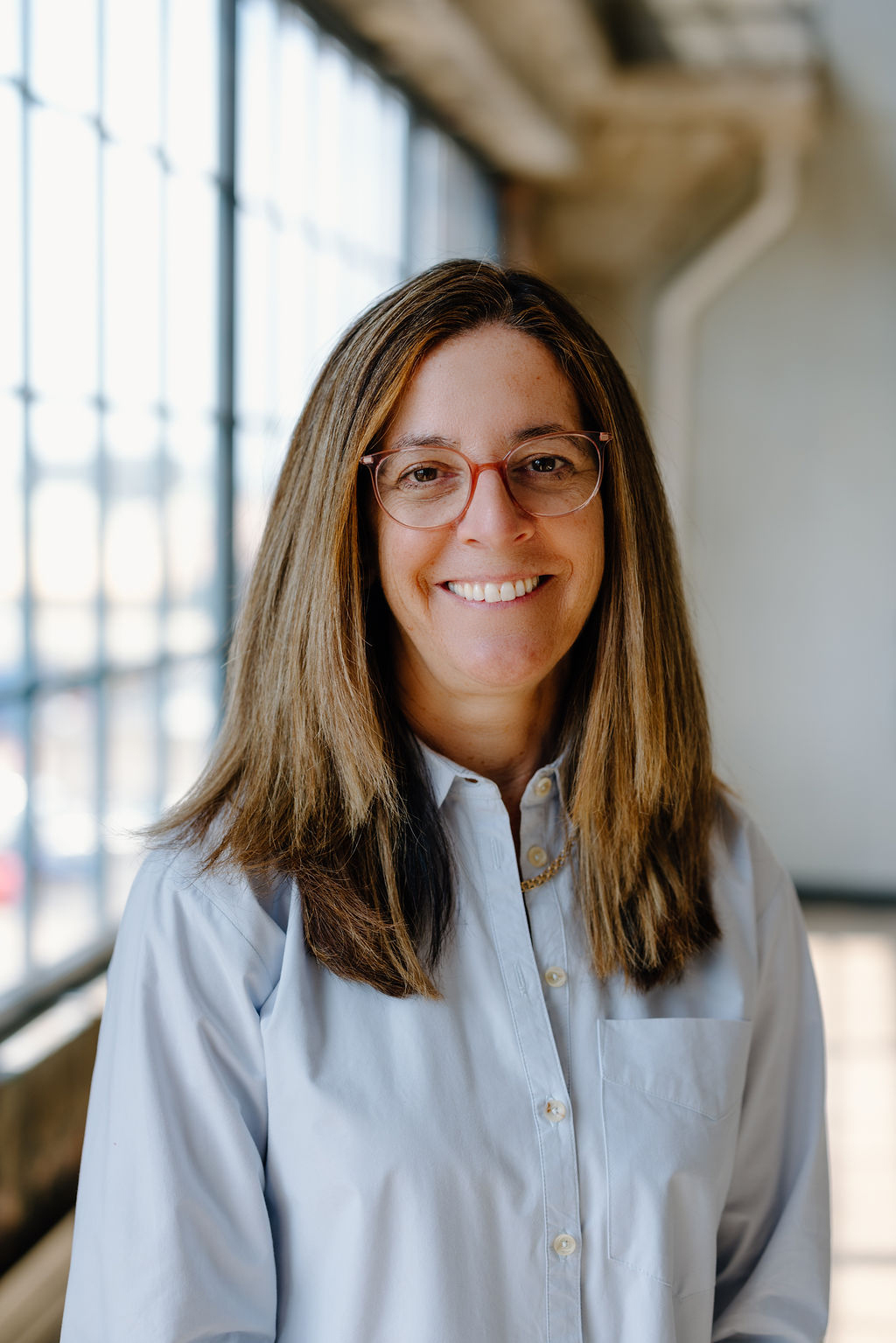
Marketing Exec
Patti Ziegler is a senior marketing and business leader with deep expertise in consumer-packaged goods, brand building, e-commerce, and digital transformation. She currently serves as Chief Marketing Officer at The Shipyard, where she leads the agency’s marketing strategy and drives brand growth. Previously, Patti was SVP, Chief Marketing Officer, and Business Unit Lead at The Scotts Miracle-Gro Company, where she oversaw strategic business operations and marketing for iconic brands including Scotts, Miracle-Gro, and Ortho, leading a 200+ person organization with full P&L responsibility across North America. Earlier in her tenure at Scotts, Patti served as the company’s first Chief Digital Officer, where she pioneered its e-commerce strategy — scaling Amazon revenue from $25M to $450M — and built out new digital, social, and marketing technology capabilities. Her career also includes leadership roles at top marketing agencies, where she supported global CPG brands such as Procter & Gamble, Kraft, Abbott Nutrition, Nationwide Insurance, Coca-Cola, Nestlé, Dean Foods, and Sam’s Club.