Smarter Staffing, Stronger Service, Better Guest Experiences with Paul Wohlford and Amanda Szubert of Call Center Solutions

 Apple Podcasts
 Spotify
 Amazon Music
 Castro
 RSS Feed
 In this episode, we are joined by Paul Wohlford and Amanda Szubert of Call Center Solutions to talk about staffing, guest services, AI, and the growing need for reliable support in vacation rental operations.
Paul and Amanda share how Call Center Solutions grew out of a real hospitality staffing challenge and how their nearshore team in Montego Bay, Jamaica now supports vacation rental and hotel companies with reservations, outbound calls, after-hours support, back-office work, and more.
The conversation also explores why human connection still plays such an important role in hospitality, even as AI becomes a bigger part of guest communication. Paul and Amanda break down how operators can use technology to support their teams while still creating the kind of guest experience that builds trust, drives bookings, and keeps people coming back.
We discuss:
05:59 - Why staffing continues to be a challenge for reservation and guest service teams
12:00 - How nearshore support can help operators improve consistency and coverage
10:20 - The role of redundancy during storms, outages, and operational disruptions
14:40 - Where AI fits into guest communication and agent support
16:01 - Why human connection still matters in vacation rental hospitality
13:20 - The importance of training, knowledge bases, and quality assurance
44:41 - How support teams can help identify gaps in the booking experience
28:21 - What operators should consider when outsourcing guest services
Connect with CCS:
Website Link: https://www.ccssuccess.com/
LinkedIn Link: https://www.linkedin.com/company/my-call-center-solutions/
Facebook Link: https://www.facebook.com/ccssuccess
Instagram Link: https://www.instagram.com/call.center.solutions/
Connect with Paul:
Email: paulw@ccssuccess.com
Connect with Amanda:
LinkedIn: https://www.linkedin.com/in/amanda-szubert-8b26a033/
✨ Exclusive Offer to Alex & Annie Listeners:
Improve efficiency and customer engagement with Call Center Solutions.
Get all setup and implementation fees waived when you let them know you heard about CCS from Alex & Annie.
👉 Get started: https://www.ccssuccess.com/
Automate your short-term rental operations with Hospitable.
Start a 14-day free trial and get 25% off your bill for the first 6 months.
👉 Get started: https://hospitable.com/partners/alex-annie
Reach more guests across top travel sites with BookingPal.
Alex & Annie listeners get onboarding fees waived + 20% off the first two months.
👉 Get started: https://alex-and-annie-offer.bookingpal.com/
#vacationrentals #shorttermrentals #guestservices
00:41 - Sponsor Spotlight: Call Center Solutions
05:59 - How Call Center Solutions got its start in the hospitality space
05:59 - Why staffing continues to be a challenge for reservation and guest service teams
10:20 - The role of redundancy during storms, outages, and operational disruptions
12:00 - How nearshore support can help operators improve consistency and coverage
13:20 - The importance of training, knowledge bases, and quality assurance
14:40 - Where AI fits into guest communication and agent support
16:01 - Why human connection still matters in vacation rental hospitality
21:02 - Sponsor Spotlight: BookingPal
28:21 - What operators should consider when outsourcing guest services
34:54 - Sponsor Spotlight: Hospitable
44:41 - How support teams can help identify gaps in the booking experience
Alex Husner
Welcome to Alex Bananny, the real women of Vacation Reddit. With more than 35 years combined industry experience, Alex Euser and Annie Holcomb have tuned up to connect the dots between inspiration and opportunity. Seeking to find the one story, idea, strategy, or decision that led to their guests to be aha moment. Join them as they highlight the real stories behind the people and brands that have built vacation rentals into the$100 billion industry it is today. And now, it's time to get real and have some fun with your host, Alex DeNey. We'll start the show in just a minute. But first, a word from our premier brand sponsor.
SPEAKER_03
Hi, my name is Amanda Cash. I'm the Regional Director of Guest Services for VTrips, and I've been partnered with CCS for five years now. Before Call Center Solutions, we were more so dealing with a lot of the backlash of the COVID epidemic, where we really couldn't find people to interview. We would put a lot of time and effort into going through resumes, setting up interviews, and people would just not show up. Once the COVID epidemic started to relax, there was a high number of volume coming in, and we just did not have the staffing levels up to where they needed to be to handle the volume that was coming into us at that time. Before Call Center Solutions, we did partner with a call center in the Philippines that was more so basically an answering service for us. The cost was one of the things that enticed us to go with the Philippines. It was a very low cost, but they did not supply that type of service that we were looking for. We were looking for more of a personal touch with our guest services. We didn't want to just be a fording service. We wanted to be able to answer and help with any issues that presented themselves instead of it just having those people wait until the very next day. They really were more of a hands-on partner with it. And any obstacles that we had, they really did go above and beyond to step in. They wanted to ensure that this was something we could grow with. Before we had call center solutions, our goal was always to hit around five to eight percent abandonment rate. And the standard average is 2%. And right now, I have an average of a percent, just a percent. So that has been uh something tremendous that I never thought I would see. And also quality call scoring has been through the roof. I never thought we would see the day where we would have a 95% average in call scores. And I have some markets that uh have a hundred percent average now. Those are things that I'm really, really proud of, as well as our revenue. Because our agents are doing everything as far as booking reservations to helping a guest, our revenue opportunities have gone tremendously through the roof.
SPEAKER_07
Need reliable support for your growing operations? Call Center Solutions helps businesses improve customer engagement, streamline operations, and provide guest support around the clock. Alex and Annie listeners get all setup and implementation fees waived when they mention they heard about CCS on the Alex and Annie podcast. Click the link in the description to get started.
Alex Husner
Welcome to Alex and Annie, the relevant of vacation rentals. I'm Alex and I'm Annie. And we are joined today by two longtime friends of the show. We've got Paul Wolford and Amanda Suzbert with Call Center Solutions. So good to see you guys.
SPEAKER_01
Good to see you. Thanks for having us.
Alex Husner
Thanks for having us.
Annie Holcombe
Well, before we get started, Paul's actually a two-timer here. So people have uh encountered his humor before. So, Amanda, let's start with you. Why don't you give us a little introduction and kind of your background in hospitality?
SPEAKER_02
Sure. So during college, I worked at the Marriott. And then when I graduated college, I started working with Britain Resorts and Hotels. Uh, we'll touch a little bit in this episode about how that became Call Center Solutions and how my journey has transformed to here. Um, but I'm currently the CEO of Call Center Solutions.
SPEAKER_01
Awesome. Paul? Well, not sure I'm a fan of the term two-timer, Annie, but that being said, I'm a 15-year hotel vet that made the wonderfully brilliant decision to get into the vacation rental space uh and lead the simple world of hotels. And I've been in the VR space for the last 20 years, uh primarily in Northwest Florida, and uh been with Call Center Solutions as a part of that the last uh nine years.
How Call Center Solutions got its start in the hospitality space
Why staffing continues to be a challenge for reservation and guest service teams
Alex Husner
Wow. Between all four of us, we've known each other in in different ways throughout probably, you know, almost two decades, at least for me with you guys, and Annie, probably longer for you and Paul. But you know, the interesting thing about what you guys have built with Call Center Solutions is you built it from a need. And, you know, I think back to the Ottma days when that was the first time I met Paul, and he almost uh told me he was giving me a cease and desist over a complete miscommunication. Um but the relationship got better at that point. Um, but you you guys had uh a lot of similarities with other condo resorts and vacational companies at that time that were you know really trying to streamline their operations and just run more effectively. And back in those days, that's when there's still a lot of business that's booked on the phone, but back then there was a lot, a lot of business that was booked on the phone. So maybe tell us a little bit about how your origins with Britain and with resort collection kind of led to how the call center was formed.
SPEAKER_01
Sure. We really struggled back in the day. I was with a company called Resort Collection, and we had about a thousand units we managed in Northwest Florida, but where we really struggled was in reservations. When I say struggled labor-wise, we could not keep reservationists. We train them, they'd leave. We were constantly having turnover in our reservations department. So we felt like we had to find a better solution. And the idea was brought to us by a gentleman to to look at Montigo Bay, Jamaica, and we thought, I didn't know anything about Montego Bay. I knew where I was, but I didn't know anything about it. And lo and behold, there were who knew, 45,000, 50,000 call center agents in Jamaica. It's a huge hub. It's you know, we compete with India and the Philippines, but it's near shore versus offshore, and there's some advantages to that we'll get into. But the idea was brought to us to test it. And so we were partners through Autma with the Britain organization out of Myrtle Beach. Uh Matthew Britton and us had become friends, and we had really worked hard with each other to better the industry and better our companies by sharing information. You know, our industry back then was so protective of what it shared. We all thought we had the secret sauce, and none of us really did, but we all were better at things and could learn some things from others. So ATMA was created to really bring the industry together and talk openly about how we performed at high levels. So that's how we formed our relationship with the Britons. So with the idea to move to Montego Bay is brought to us. So we go down there and do what's called an incubator test. We rent some space for about nine months, we put some agents down there, we hire some agents down there, and we see how they compare to the agents in the States. Well, lo and behold, their uh abandonment rate, our abandonment rate went down, conversions went way up. So all of a sudden we're making more top line money and we're answering more phone calls. So we think about it, we think about it, we debate it. Next year, we more or less move, we rent some space, and the Britons and us start occupying our first call center. This is about eight years ago. Sure enough, we're saving our company with 22 agents, saved quarter million dollars the first year. I know the Britons saved more because they were substantially bigger, and our conversions are up and our abandonment, abandonments down, and we're saving a lot of money. So top line revenue went up, bottom line expenses went down. It's a win-win across the board. So that's kind of how we got started. And then we fast forward and we're at Ottman, we're at other organizations and meetings and uh industry colleagues stuff going on, and people are saying, Well, what are you doing about reservations? What are you doing about this? And we tell them what we're doing, and they say, Hey, how can we do that? So we decided to get in the outsourcing business. Uh, that was probably seven years ago, six and a half, seven years ago. And we stayed to our niche. We don't get outside of the hospitality and VR space, the hotel space, because that's what we've known. We've known for so long. That's what we've done. So we start outsourcing and we start growing with partners that you know you've seen on episodes before. You're gonna you know many of our partners, they've been on Alex and Annie before. And so today we're in multiple call centers. We've got 200 plus, 250. We'll get to 300 agents this year, uh, all in the VR and hotel space. And that's kind of how we got to where we are. Amanda, did I miss anything in that? That's I know it's a cliff note version.
SPEAKER_02
No, I think you got most of it. I mean, minus getting your passport for me, that was a first. So that was also really exciting. Um, but as Paul said, it came from Britain Resorts and Hotels, and we were doing a million inbound calls plus a year and about half a million to 750,000 outbound calls a year. So uh this was a savor for us as well as just a huge help because as the labor challenges came into play, um, it was really essential.
The role of redundancy during storms, outages, and operational disruptions
Annie Holcombe
So speaking of labor challenges, um Jamaica got hit pretty bad with a hurricane. What is it about last year? I can't even remember. It feels like yeah. So how how did that impact you? Because I mean, uh, you know, obviously as destinations go, we've all struggled with that, and that's always a problem. But when you have your outsource team get hit, I mean, and and and these islands, I mean, when they get hit, it's it's a longer time to get them ramped back up because it's harder to get equipment and supplies to them. But how did that impact your ability to service your customers?
SPEAKER_01
Well, that's a great question. We encourage redundancy with our partners. So we encouraged our partners to have staff in the states and staff in Jamaica. We think that's a great solution so they can divert calls either way. I can tell you during Hurricane Michael that Annie, you know very well here in Northwest Florida, we had our agents in Montego Bay at the time. So we were up and running the entire time where Panama City Beach and Northwest Florida was down. We were up and running and able to take calls and make reservations. And because of the help that came in, we were able to sell out a thousand units starting the next day after the hurricane came through. And we we stayed full for about three months because while our competitors in the area were down, we were up and running. So that redundancy is an important part of what we try to get our partners to do and recognize because we've got partners in the states and that have offices in Port Lauderdale and offices and agents in Montego Bay. So that redundancy allows you, if a storm does come, to divert calls either center, either way. Um, some companies without redundancy sent those calls to the front desk and they were still able to make reservations. But just like here in the States, we have a hurricane plan in Montego Bay. Luckily, it's on Jamaica or Montigo Bay is on the northwest side of the island, and most don't storms come from the southeast side. So we're positioned well geographically, but that redundancy is a big part of it for our customers.
Alex Husner
And it's not the worst place to have to go on work trips, right?
How nearshore support can help operators improve consistency and coverage
SPEAKER_01
It's not a horrible place. Amanda, I remember the few years ago, Amanda, I think, spent 89 nights down in Montego Bay. I don't go as frequently, but she knows the hotels and the resorts there quite, quite well.
Alex Husner
Yeah, yeah. No, and and we're actually we're very excited. We're heading down to Jamaica uh with Call Center Solutions in August, that we're gonna be doing a in-person interview with your team down there. So we're we're really excited to see see it in person. And I've heard about it for all those eight years. So to actually get to see how it works is gonna be great. But one thing that, you know, I think people kind of get just um a little bit confused on sometimes is when they hear outsource call center, they're thinking that's more of overflow calls or after hours support. But what you guys do is it you can do that, but you do a lot more. So maybe tell us a little bit about like what a typical client utilizes call center solutions for.
The importance of training, knowledge bases, and quality assurance
SPEAKER_02
Yeah, Alice, I think you're right. You know, especially after hours has been a popular service that a lot of our partners have looked for recently. Um, but it's not just that. A lot of uh success has come from outbound calls. So even if you have the labor here, as Paul mentioned here in the States or in another country, you know, it's always a great opportunity to have the redundancy option as well as have a little bit of extra labor to make those outbound calls. Both of outbound and after hours, I would say, are major services today, but we really do inbound, outbound, as well as back office. We have some team members in our office that are doing recruiting and interviews, they're doing accounting and reconciliation. So uh even though the name is called center solutions, we really have it all.
Annie Holcombe
So, what does that look like for a partner that is wanting to onboard? Because I think that one of the things just I love the fact that it's Jamaican. I know that when I was in the property management side of it, we used a lot of Jamaican labor that would come up and they were so good because of just that whole culture is so hospitality driven. So they just really understand it and they understand how to treat the guests when they're talking to them and answer the questions and kind of can empathize, I think, better than a lot of a lot of sort of those outbound services do. Um, but what does it look like in terms of ramping up a team to be able to understand the nuances of all these different resorts that they're gonna be working with?
Where AI fits into guest communication and agent support
SPEAKER_01
What we tell our partners is your training is vitally important. We think the training they give our agents, whether it's in person or online, is vitally important to their success because they're gonna live on your website, they're gonna live in the booking engine, they're gonna eat and breathe and do all the research they can do on the property and surrounding area. But the training is very important to their success. And so we encourage a very high level of that from our partners to our agents. But understand they're taught how to be call center agents in high school down there. They this is a highly coveted profession, and that's why you have almost 50,000 agents in Montego. But all your major carriers, uh, air carriers are down there, uh, big hotel companies are down there. You know, lots of companies here in the States have their agents in Montego Bay, Jamaica.
SPEAKER_02
If I could just add to that, Annie, I think a huge piece of the training can be um a balance of the human interaction and then also AI, right? So back when we started this about eight years ago, we really depended on the websites and things like that, as Paul mentioned, and that is a huge piece of it, but also building that knowledge base and what can that knowledge base do for you in a either in the call center or in another sector of your business, um, because that knowledge base is really crucial to be able to implement AI, which is really popular these days as well. So I think building that knowledge base is the key fundamental.
Alex Husner
Yeah, and and that's an area that I think a lot of companies have shied away from over the years. I mean, not because they didn't know that it's important to have, but it's like, you know, finding somebody to take the time to go through all the rules and everything that you know about the business and actually document it. But I mean, I've seen with clients that you guys work with that I've worked with, mutual clients, I mean, it it makes a big difference. And and it really does. It's like when you set yourself up for success and organize things that way. Now, now with AI, you're right. I mean, now you can also utilize all that information that you've harvested to be able to build other things down the line in the future.
Why human connection still matters in vacation rental hospitality
SPEAKER_02
I know a lot of our partners today are using it to assist the agents in order for them to handle more calls and be able to handle those calls quicker. Um, but it still takes some some human interaction, and then that training is vitally important to the agent.
Annie Holcombe
So you you you touched on AI. That's kind of I kind of feels like that's the bouncing ball in everybody's room right now. I mean, it's just um we just got back from London and that was a hot topic of conversation there, and I think everybody's using it, but nobody's using it right, and everybody's an expert, and nobody's an expert, and there's just so many things. And so I don't know, you know, how do you how do you coach people through, I guess, the importance of that? Because I think, you know, some people are thinking, oh, I can just dump everything to AI and I don't have to worry about it and just turn it over. And I think that um, Paul, you mentioned off camera, and this is where I kind of fall in is is we're in the hospitality business, and hospitality is very relationship driven. And so when you turn something over to like not a human, like it just doesn't feel like you're building any relationship. So, how do you guys think that is impacting what you do? And how do you think you're gonna navigate the balance in it?
SPEAKER_01
Well, I can tell you that every day is different because the opinions we hear are it's going totally AI, and then we hear, nope, I won't touch AI except at a certain level. Uh our belief is we're gonna have a hybrid at the end of the day. AI does so many things so well, and it can handle those FAQs and it can handle a lot of things really well. But at the end of the day, the hospitality business is about an emotional connection between a guest and a host. And I'm not sure AI can provide that emotional connection. I don't know. It can try, but is it authentic at the end of the day? I don't know the answer to that. I mean, you know, I'll ask you in a minute or I'll ask you to answer in a minute, can AI sit in your chairs? Can it do that? But we think it's a hybrid at the end of the day, it can do a lot of things really well. But for a lot of our guests that are spending their hard-earned vacation money on one trip a year with their family, they want to be able to trust and count on that person they're talking to at the other end and build that emotional connection. And we think that's still very important. And we partner with AI companies and we work with AI and we think it's very valuable. Um, but at the end of the day, we see a hybrid coming because at some point you're gonna have to have that emotional connection with that person on the other side.
Alex Husner
Yeah, yeah. And I think a hybrid approach is the right way to describe it because you know, in reality, it's like, okay, the easy questions, the FAQ questions, the things that you get over and over and over again, the AI can actually be much better than a real person because they can actually add some more flavor to the response instead of just saying, what time is checking? Four o'clock. You know, they can say it's it's four o'clock, but you know, and go into more detail with like a you know, well-written response that that's harder for somebody quickly to just be rattling off over and over again. But really, it's like this allows your people to be dealing with the things that get escalated. Um, so when there really is something that sometimes there's not just an easy way to fix a problem in vacation rentals, it takes problem solving. Um, and I guess that that would be my my question to you is like when an issue does arise that's outside of just the the regular day-to-day, maybe give an example or like how your teams actually step in and are able to provide that level of hospitality and problem solving.
SPEAKER_01
Well, I'll let Amanda jump in in a second. Um, but to add on to that, we go to the Broadmoor every year, my wife and I. It's our favorite resort in the country out in Colorado Springs, one of our favorite resorts. And I'll tell you, we go and we dissect it. We go because the people there welcome us back emotionally. They are glad we're there. They truly want us to have a great trip. They truly want us to have great meals, they truly care about our experience. And I think, you know, a homeowner, by the way, is not going to let you rent their unit and not gonna let you rent their condominium without an emotional connection. They do business with people they care about and they like. So I I think that piece of it is very important and will continue to be. And to answer your question or the question I asked for you guys, I don't think a robot sits in your seats. I think the emotional piece of what you guys do, and congratulations on your travel influencer award that just came out. Um, congratulations on that. But but that's an emotional piece. Y'all care about what you do and the people you talk to, and that's why it's real and that's why it's different. I mean, if you two are robots sitting here, we're not here because we don't want to be here. And I don't think you're nearly as successful as you guys have become because you are Alex and Annie, not Alex bot and Annie bot, so to speak. So kudos to you for bringing the emotion that we care about so much into the industry, and that's what we want to provide in our call center.
Sponsor Spotlight: BookingPal
Alex Husner
We'll be back in just a minute, but first, a word from our premier brand sponsor. For vacation rental property managers, the right distribution strategy can make a huge difference. More visibility, more booking opportunities, and better revenue performance all start with getting your listings in front of the right guests. Booking PAL helps make that easier. Booking Pal is a channel management platform that lets property managers distribute listings across top channels like Airbnb, Booking.com, Virbo, and more, all through a single connection. They also provide access to growing niche channels like Homes and Hideaways by World of Hyatt and Amex Select Homes and Retreats. But BookingPal is not just about getting your listings in more places. Their platform is designed to help property managers improve visibility, increase bookings, and support stronger revenue performance through better content, pricing, and listing quality. And one of the things that stands out is their support. Every property manager has access to a dedicated account manager and a real support team, so you're not left figuring things out on your own. For operators who want to reach more guests, reduce the complexity of channel management, and work with a team that's invested in their growth, BookingPal is worth a closer look. Alex Nanny listeners get onboarding fees waived, plus 20% off the first two months when you get started with Booking PAL. Simply click the link in the description to learn more.
SPEAKER_02
We've covered a lot of it, but I mean I think it goes back to a couple fundamentals, right? AI can give you the data that you need to see how do you develop your training further so that your human Connection or interaction can build the relationship or have that empathy. And I think that we found that in the Jamaican culture, and that's why it's been such a success. So definitely think AI and the human connection is a balance and a hybrid model, like we've said. But I think it can help astronomically with data and how to improve training and how you can help the agent handle that call quicker so that agent can handle another call as well as touch another guest. So yeah, I fully agree with you, Alex. I think you know, chat and FAQs is a great option for AI. But at the end of the day, if I'm picking up the phone to call for a booking, it's because I have a question I couldn't answer myself on the website, right? Otherwise I would have just done it. So I do think you know our agents get those type of questions as well as some of the complex situations, right? Where I've checked in and now what do I do? Here's my challenge, right? And how do I contact my host and things like that? So um, yeah, I definitely think it's a hybrid mall, as we've mentioned. Everyone's mentioned.
Alex Husner
And and I and I think, you know, the the bigger picture here too, it really plays into you know building a strong book direct brand. And uh majority of the clients that I know that you guys work with, I mean, they all have they do have strong book direct brands and they've been doing this for a long time. But that doesn't just happen because they're using AI or a chat bot to respond to people. I mean, they really are making that that connection. And I know in all my years at Condo World, we would have guests that would show up and bring cookies every time that they came to town for the agent that they always worked with. And it's like that created that atmosphere of like it wasn't just a company and just uh a logo. It was people behind it that they cared about and that they knew where they liked to stay and like you know what was important to them on their trip. And you know, that's to me, I don't I don't know how that goes away. I don't know how anybody would prefer to not have a connection with somebody uh and and feel like how you feel, Paul, when you and your wife go to that resort. I mean, like that's that's what makes travel uh just you know exciting and like it feels like you're at home in a way, too.
SPEAKER_01
No, I agree with that 100%. And I think there are certain companies out there that will not go the route of AI, they don't want their customers talking to. And I know like I'm a Delta person as Amanda knows well. I play Delta a lot, and I call the diamond desk when I need something or have a question or want to do this. They're not about to let me talk to a robot or a bot because they want to continue to build that emotional connection. Now I have the opportunity, I can go to the chat and talk to a bot on the diamond desk, but I want to talk to a person. Certain people don't. Certain people want to go to the bot and bypass the front desk and do all that, and that's great. But there are a lot of us that still want that human connection, like you said, and that personal trust and that personal interaction that we build over time.
SPEAKER_02
I think as you said, Paul, you know, not only do the team members learn call centers in high school, but they also are so used to working in that culture. I mean, there's no way I could spend 89 nights away from home without some human connection at that hotel. I mean, those people have become our family and friends. And, you know, just last year our company sponsored a breast cancer walk in um in Jamaica, in Montego Bay, and a lot of the folks from the hotel followed and came with us. So I think it's connections like that that keep you coming back, as well as you said, Alex, make you enjoy traveling and being away from home when you are.
Annie Holcombe
I wanted to kind of elaborate, well, I say elaborate, go go on the human connection. And and one of the things that we talk about often in vacation rentals is the complexity of vacation rentals versus hotels. And Paul, you kind of alluded to it, you know, you came from hotels where it was a real simple world and you come to vacation rentals and it's chaos. And you didn't say chaos, but I'm gonna put those words in your mouth. But we've all been there and we know. And and the thing that's challenging, and I think where AI, you know, yes, there's help, but the the challenge is that there you you can simplify certain pieces of it, but every home is different. Every home operates different, every home rents different, every home story is different. You know, if you have condos, it's it's you can a little bit more operate it like a hotel. But what do you see in terms of training staff? Now, are uh, you know, you're saying that this the staff they go and they get trained when they're in high school, it's like part of their curriculum. But are they trained on the nuances, or is that something that when you guys go in, that's really when the training really digs in in terms of being able to offer the complexity conversations that they need to have regarding vacation rentals?
SPEAKER_01
It's both. It really is. We do our training up front on our expectations and our level of hospitality, if you will, that we expect those agents to provide. And then the companies we partner with provide their level of training, but you bring up such a great point. I mean, just look at remote controls and how they work. They're every single one for some reason is different. We can't simply and have a basic remote for every home. And the pool heaters are different, and the furniture is different, and the microwaves are different. They're all different, and there is a huge complexity. I remember uh one of our partners, Southern Resorts, you know, they had 1,400 different homes and condos on their rental program. And those agents who they've been in our call center for going on six or seven years now, they had to learn all 1,400 units and those nuances. But the training was very good by Southern. They did a great job of building that database and that and that AI, if you will, for that knowledge base on the back end. And they were able to emotionally walk people through how to do this and how to do that. And it's it's not an easy job. And I, you know, I wish, you know, like hotels, guess what? If something breaks, you got another one downstairs just like it, and you can replace it in a home. If something breaks, somebody's got to go out and buy it and figure out where that homeowner bought it and replace it. And there's a lot more to it, and the complexity is a big piece uh of what we teach and what our partners teach to the agents.
What operators should consider when outsourcing guest services
Alex Husner
Yeah, and I almost think that the conversation that is happening within the industry is is just kind of going past how important that is and like how complex the business really is, you know, it's it's almost like we're we're trying to make it seem like it's an easy business. And we talk about that on the show all the time, that this is it's not an easy busy business by any means. Um, but that complexity is also, you know, there's there's a lot of greatness in that too, and the ability of to make memories for these families and you know, help these homeowners. And that's really what we're doing this for at the end of the day. But um I'm curious what what is like the ideal type of client for call center solutions, whether is it by size or um, you know, by how they currently have the reservation team set up? Like what do you look for in a client?
SPEAKER_01
You know, that's a great question. We have clients that have as few as two, three agents in the center that manage 40 to 50 properties. We've got our largest manages over 5,000 properties. So, and we have hotels that, you know, are in the Caribbean and the Bahamas that are world famous. And, you know, we're all over the board, but our ideal client is probably in that thousand units and below range that needs some labor help and needs to save some money and is watching every dollar they spend. And, you know, like so many of us are in the VR space, there's not a lot of money at the end of the day. We don't make tons and tons of money, but we like that client that is personal, that will go down and visit their agents and just become part of the team. It's what we liken it to, if you're sitting in Myrtle Beach, it's just picking up your call center and moving it down the street. None of our agents work from home because of our you know, strict data protection. We don't touch the data, we're SOC2 compliant, you know, all these things we have to be, but they actually physically work in call centers and are in a protected environment. But again, our we're all over the board with our client size, but uh a thousand and below is probably our sweet spot right now, units and below that they manage.
Annie Holcombe
And how do you guys, how do you guys go about finding uh like so are you going to conferences? Are you like what is the what is the process for like to go out there and find new customers?
SPEAKER_01
A lot of it's been word of mouth. A lot of our partners we knew before we got in the business. You know, Lino, you know, I've known for years. I was on the podcast with Leno. He's a part of our what we're doing, and so many others are. A lot of it's been word of mouth. We do go to conferences. We were just, you know, we were tracked, we've been at many other conferences, but uh it's been mostly word of mouth for from people that like your show. We'll probably produce some people interested, hopefully, and we're counting on that. But um, but but word of mouth, just like you know, a lot of the Otma members from day one, um, as you guys both know, are people in the business that wanted there were decision makers that wanted to get better at what they did and save money if they could, and uh they had some labor challenges, and we were able to provide that solution for them that they were looking for.
Annie Holcombe
So again, relationship business. That's what we're in.
Alex Husner
Exactly. Yeah, it really is. And I think one unique thing about how you guys operate too is that you handle the agents from soup to nuts, right? I mean, you you source the talent, your client will train them on their processes and things, but you have the call center that the agents actually go to, so they're not working from home. And I know a lot of managers have had issues with that, of if it's you know, uh VAs in other countries that there's a lot of other things going on at their house and it's loud and it just doesn't sound professional. Um, but maybe tell us a little bit about that process of sourcing the agents and then all that you cover because you you really take that whole labor side off the backs of the managers, which I think is a huge you know component of this.
SPEAKER_02
And I think as you mentioned, um Alex, you know, some of that labor afterwards can depend on what is needed based on the size of that client. But as Paul mentioned, you know, that sweet spot of a thousand units or less, right? Um, we really start by sourcing the labor. We do all of the screening, we do all of the situational interview. Uh, we encourage our partners to get involved and do the behavioral interview with us with us, which is our third step. Um, however, it's not required. Um, but we really like to put a face to the name and connect, as we said, all about relationship building, making sure we're hiring the right person for your organization. Once that's complete, we handle all of the onboarding, all of the payroll taxes, everything in that aspect. And then we work together to collaborate weekly with our partners to manage operations daily. As we said, we count on our partners to give us the SME information, but we're also here to help with some of the fundamental practices as well as the IT and making sure that there isn't background noise, as you mentioned, there's stable internet connection and there's no dropping of signals. So it's really a partnership from day one all the way through.
Annie Holcombe
And so in in terms of cost effectiveness, do people look at it as a per unit basis? Is it per agent? How do you price it out for people?
SPEAKER_01
It's really per hour. We charge our partners an hourly rate, and it's significantly less than what they pay in the states. And we cover insurance, incentives, all those things. We provide the hardware, the cubicle, the computer. We have human resources, operational, and IT oversight on the ground in Montego Bay that we cover. And so all they really bring is their software and their knowledge base, and they're saving on average in the states$10 to$12,000 to$15 an hour, depending on depending on where they are. And over the course of a year, it adds up to a lot of money. Like I said, with 22 agents the first year, eight years ago, we saved$240,000. And I know the Britain organization saved substantially more than that just because of the number of agents. So it's a it's a big win on both sides for the VR space and hotel companies as well.
Alex Husner
As far as accountability for you know making sure these agents are saying the right things, that they're handling the requests and the bookings correctly, what what does that look like from you know your perspective of what your team is overseeing in their work?
SPEAKER_02
The QA side of the thing I think is really important, Alex. And that's also a piece that we handle. Um, we have different campaign sizes, as Paul mentioned. So everybody chooses what they want to put down there. However, the supervisors and the QA team are essential to making sure that all of that is correct. And then that learning process, whether it's putting it back into the knowledge base or whether it's putting it back into AI or putting it back into the agent, as we've mentioned, and in that hybrid model, to make sure that it's continuing to improve day to day. So we do have a lot of QA agents, and I do think that's essential, especially if you are thinking about implementing more technology to make sure that it's operating the way it should be. Um, but we do have quite a bit of a QA team in our center today, currently.
Alex Husner
Yeah, that makes sense. We'll be back in just a minute. But first, a word from our premier brand sponsor.
Sponsor Spotlight: Hospitable
SPEAKER_00
My name is Ashley Kerr. I'm the co-host of the Bigger Pockets Real Estate Rookie podcast, and I'm also an investor entrepreneur. I invest in long-term rentals and short-term rentals, and I actually have just been using Hospitable for a little over six months now. Hospitable has changed the way that I handled guest communication. I'm using the AI feature to respond, and it has definitely been a noticeable impact that guests are getting a response right away instead of waiting for me to be available or just me in general having to stop what I'm doing to be able to respond to a guest. And a lot of the questions are the same questions over and over again. It really has made a big impact on my time of not having to fund that. But also, guests are really thankful and say, I appreciate you responding so quickly a lot. Some of the features that I love about Hospitals that have been game changers for me besides the messaging is also the dynamic pricing, being able to maximize my price point. Also, when I create the listing, as to actually how it's guiding you through the listing and helping you optimize your listing too was a big thing for me. Now that I started using Hospitable, one thing I've definitely thought about is how much easier it is going to be to acquire another short-term rental. If I had to describe my experience with Hospitable, I would say it has been amazing. I cannot even begin to explain the life changing. It's not even being dramatic here. But once you make the switch and realize all of the rules and automations that this software can do for your business, you will be kicking yourself for not switching to dinner and for doing all of these things manually. You will never get a better night's sleep as a host without using hospitable. You can put your phone on do not disturb. The AI will message for you. And there is no better feeling than getting the notification that somebody has booked and all of the messaging is taken care of, and all you have to do is watch for the payment to come into your bank account.
SPEAKER_06
Run your short-term rental business on autopilot with Hospitable. Alex and Annie listeners get a 14-day free trial plus 25% off for the first six months. Click the link in the description to get started.
Alex Husner
I don't know if you've ex experienced this directly, but I I can imagine it probably could have happened at some point. But when companies think, okay, I'm going to outsource this, so now I just I don't have to worry about it at all. Has that ever happened? I mean, I feel like that probably wouldn't turn out to be the best outcome, but you know, how do you kind of prevent that from happening if it has happened?
SPEAKER_01
That's a good question. And we do not want that to happen. We uh we have had a couple of companies that kind of just said, here it is, run with it. And we can do that. We have a model where we absolutely will do all of the training and all of the hand holding and all of the teaching and all that goes on. But most of our partners, with the exception of one, every partner has gone down to Montego Bay before we've signed an agreement or let them sign an agreement with us. We want them to physically see the center, meet the team, understand the operation, meet some agents, get a flavor for it. And then we do things like Employee Appreciation Week every October, where we encourage all the partners to come down and celebrate, and we do prizes and games, and it's a whole week of awards and things like that. We want those agents to feel like a part of the team of the partner in the States at every level they can, as much so as someone working from home that may be in the same city as the company is, but we encourage their participation with our agents. That's the way it works the best because the agents are human too. They want to feel like they're part of a team. They want to feel like they're contributing to a team. And so we encourage that behavior probably first and foremost. We want you down there meeting the agents, understanding what we do on the ground, boots on the ground.
Annie Holcombe
Did the agents are they dedicated, or is it a matter of the number of hours that you have allotted per customer?
SPEAKER_02
We have both models. Um, most of our agents are dedicated, and we do believe that that has been a huge success, but we do have some blended agents as well that work on multiple companies because maybe you just need part-time help, for example, or um after-hour support, or anything like that. So we do support both dedicated and blended agents.
SPEAKER_01
But the majority, as she said, are dedicated. Uh, you know, I mentioned Southern before. The Southern agents work for Southern. That's who they report to, that's who they manage. I mean, it is it is their agents. We take a lot of uh of the heavy lift off of their shoulders, but the day-to-day operations and oversight, you know, they're their agents. They're selling their product, the Southern what.
Alex Husner
Yeah, and I think you know, in the last few years, we've seen a lot of managers that they are, you know, really, really focused on growth and becoming multi-market. And I think everybody thinks that it's easier to do than uh it it seems, and then they realize it's actually pretty complicated to be able to do that. But I mean, there are some that that have succeeded with that. And I think, you know, sometimes the benefit of how they're looking at it is okay, well, my team, if it's their guest services, if it's in-house or outsource, they're busy in the summertime with Myrtle Beach, but in the wintertime now they're busy with the properties out west or you know, some collaboration there. But do you have many clients that fit into that bucket that they've got properties in different locations and they're able to kind of move teams around?
SPEAKER_02
Yes, I think um Paul gave the best example, probably Southern Vacation Rentals. Um they have numerous states they have properties in, and so they are able to quickly navigate and shift their labor and the workforce management to support that based on seasonality or based on chicken processes or any uh requirements like that.
Annie Holcombe
Now, are you guys servicing just hospitality sector, or are you working with other businesses that might need off you know, call center type services?
SPEAKER_01
I have worked and are working with a couple of other uh industries, if you will, but our passion is hospitality and VR and hotels.
Annie Holcombe
The core of it, yeah.
SPEAKER_01
It's just what we cut our teeth on and we know, and we can we can talk it at any level, you know, because we've been doing it. Me, I've been doing it for so long, not Amanda, but um you know, because I'm old. Um at the end of the day, we like the space, the VR space and the hotel space because that's just our background and that's what we love.
Alex Husner
Yeah. And uh what what do what would you say to companies that come to you and and they say, well, you know, nobody, nobody can do better than my internal team or my local team. Like I know you both can speak from the experience of you actually saw that that's not necessarily the case in the two big companies you work for, but like how do you explain that to managers?
SPEAKER_01
We we encourage them to give it a shot, test a few agents and then measure the results. I mean, that's what we did. We weren't gonna go down there and move everyone down there just because somebody told us it was great. We tested 10 agents there versus 10 agents here and measured their productivity for six months. Who performs better? And the answer surprised us, so it might surprise others too.
SPEAKER_02
And I I would add to that, like the relationship building. As Paul said, almost all of our partners have come down and visited the call center prior to uh making that partnership with us. And some may say, is that really essential or necessary? It's just another office space. Um, but I think they're able to really get a taste of the team, a taste of the culture, and a taste of what CCS can do and how the partnership looks. As we said, we don't want anything to feel robotic. We want it to be all based on relationships.
Annie Holcombe
So we're heading into season for the beach markets. And I mean, a lot of people have already kind of implemented things, but I think there's also this, there's that lull between spring break and kind of like the really peak season. If there's anybody listening that's thinking, like, oh my gosh, I could really use this, or I think it could help supplement, or maybe I'm having a harder time like staffing up in my local market. I, you know, maybe this could be a solution. Um, what's the process look like in terms of like turnaround? If someone's called you today and said, I want to move forward, three agents, you know, and then we'll ramp up if we need more, whatever. What is the timeline for that look like for a property manager?
SPEAKER_01
Depending on the size, we've done agents as fast as two weeks. We've had them starting training. Our traditional model is 30 to 45 days to get them training because most of these agents, you know, may have to resign from another job and give a two weeks notice and then interview and go through the process. But we can accelerate that as need be. But our traditional model is 30 to 45 days up in training and going on the phones.
Annie Holcombe
So the ski market should really think about it now. The ski market should really be the good job.
SPEAKER_01
And we have a large database. I mean, I I can tell you, you know, we get resumes every single day. I get I see every one that comes through. And even after the hurricane down there after Melissa, because other call centers may have been shut down for a while or what have you, we were getting a hundred resumes a day of call centers. Oh wow. You know, some pretty high unemployment down there. Um, jobs are coveted and and they're very important to these people. And you know, our turnover was better down there than it was here in the States. And all the things we were looking for, we found in Montego Bay, and we didn't have to fly halfway across the world to find it. It was a two hour flight from Atlanta. So we were very fortunate in in what we found, and that's why we're still there today after eight years plus.
Alex Husner
Yeah, yeah, and uh small difference in the time zone for the most part. You know, that that makes a big difference too.
SPEAKER_01
They don't they don't change, they don't change the the clock. So half the year they're eastern, half the Year they're central.
Alex Husner
So yeah, yeah. No, that's huge. And if something were to not work out with an agent because you have so many other resumes of these people that want to come work here, it's it's probably fairly easy, I would imagine, to get somebody else on the floor.
SPEAKER_01
Absolutely. Amanda deals without when it happens.
SPEAKER_02
Definitely. We had a job fair last week, and I think we had over 60 people show up for a three-hour job fair. We weren't able to really even get to know everybody. So we're actually hosting another job fair next week because we're just constantly hiring, as you said, whether it's somebody may not work out, or whether it's okay, we've tried it with a reservation agent and now we want to implement an agent in this department or for this role in the same company. Um, we've seen a lot of growth that way as well.
Alex Husner
You know, one other one other benefit that I don't know if this is something you really push when you're talking managers, but I've seen it in one of the clients that I worked with that that used your services is that you have somebody that is on the website all the time. And we talk about this on the show all the time of like you should be testing your website at least weekly, if not daily, to make sure that everything is working properly. So if you've made changes to rates or policies or anything, that it is actually flowing through properly because we know that you know things can easily go wrong. But that was um really interesting to see that our our agents that were working on the site, they were not only finding things that weren't working, but they were bringing suggestions to the team of like, I think we need a page of content about this topic because I get questions about it a lot. And it's like, you know, they actually become like marketing assistants in a way, which is very valuable.
SPEAKER_01
It's very important. Absolutely.
Alex Husner
Awesome. Well, guys, this is this has been great. And I I hope that anybody who's who's interested will reach out to you and learn more about the program because I think there's a lot of really great benefits to it and a lot of industry knowledge behind it. And you know, that really makes the the difference here. Of this isn't just a random call center company. These are you know industry vets that that know what they're doing and know how to set teams up for success. So if anybody wants to reach out and get more information, what's what's the best way for them to do so?
SPEAKER_01
Best way is at the website at call CCS CatCat Sam, the word success.com. And you can email me at Paul W at that address or Amanda S at that address, and we'd be glad to help.
Alex Husner
Sounds good. Well, thank you guys for coming on today. If anybody wants to get in touch with Annie and I, you can go to Alexandanipodcast.com and we'll see you guys in Jamaica in August. Thanks, guys.



COO
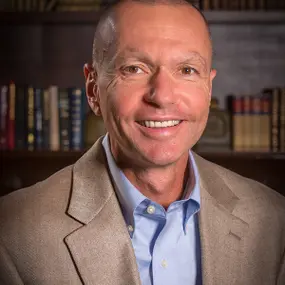
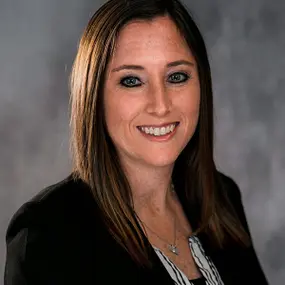
Amanda Szubert is the COO for Call Center Solutions. Her previous work experience includes roles in sales, guest services, homeowner services, accounting, workforce management and contact center management with Marriott and Brittain Resorts & Hotels.
Amanda has participated in the community’s Women’s Leadership Alliance and remains actively involved as a leader of future classes. She is a native of Illinois. Amanda graduated from Illinois State University with a Bachelors degree in both Business Administration and Hospitality Management. She also earned a minor degree both in accounting and insurance.