Jamaican Me Crazy: Alex & Annie Live from Montego Bay, with Call Center Solutions

 Apple Podcasts
 Spotify
 Amazon Music
 Castro
 RSS Feed
 Alex & Annie are taking the podcast on the road for a special on-location episode from Montego Bay, Jamaica.
This time, they’re stepping inside Call Center Solutions to see the operation firsthand, meet the people behind it, and get a closer look at what it takes to build a hospitality team that can support vacation rental businesses from hundreds of miles away.
Throughout the visit, Alex and Annie sit down with members of the CCS team across operations, HR, IT, and leadership to hear what the business looks like from the people running it every day. One theme keeps surfacing along the way: the importance of culture, connection, and making remote team members feel like a true extension of the companies they support.
Episode Chapters:
00:00 – Alex & Annie arrive at Call Center Solutions in Montego Bay
02:49 – How CCS started in Jamaica and grew beyond the original experiment
06:50 – What onboarding and training a remote hospitality team actually looks like
11:36 – Meet the operations team: culture, customer service, and what makes a great agent
20:47 – Inside HR: hiring, employee support, and building a team people want to stay with
29:42 – The IT and infrastructure keeping the operation running
34:21 – Beachside reflections on culture, connection, and hospitality
41:30 – Beyond reservations: how CCS supports more of the operation
45:16 – How property managers can get started with a CCS team
Come along for a behind-the-scenes look at Call Center Solutions, the team they've built in Montego Bay, and a few uniquely Jamaican moments along the way.
Connect with Call Center Solutions:
Website: https://www.ccssuccess.com/
LinkedIn: https://www.linkedin.com/company/my-call-center-solutions/
Instagram: https://www.instagram.com/call.center.solutions/
✨ Exclusive Offers to Alex & Annie Listeners:
Build a direct booking site designed to get found and convert with Crafted Stays.
Turn more visitors into direct bookings with less manual work.
👉 Get started: https://craftedstays.co/alexannie/
Thinking about the next chapter for your vacation rental business?
Connect with Monarch Collective to explore what growth could look like with the right platform behind you.
👉 Learn more: https://gomonarch.com/partnerships/
Reach more direct-booking travelers with Savvy.
List your professionally managed properties for free.
👉 Get started here: https://savvy.com/list
#vacationrentals #shorttermrentals #guestexperience
00:00 - – Alex & Annie arrive at Call Center Solutions in Montego Bay
02:49 - – How CCS started in Jamaica and grew beyond the original experiment
06:50 - – What onboarding and training a remote hospitality team actually looks like
11:36 - – Meet the operations team: culture, customer service, and what makes a great agent
20:47 - – Inside HR: hiring, employee support, and building a team people want to stay with
29:42 - – The IT and infrastructure keeping the operation running
34:21 - – Beachside reflections on culture, connection, and hospitality
41:30 - – Beyond reservations: how CCS supports more of the operation
45:16 - – How property managers can get started with a CCS team
Alex Husner 0:00
So we are here live at Call Center Solutions in Montego Bay, Jamaica. Super excited! This
Annie Holcombe 0:05
is really exciting. So we got to come on site to meet the team, and we're going to go in and talk to them and learn a bit about how the magic happens. Yeah, yeah,
Alex Husner 0:13
we're super excited and can't wait to turn this into an episode where we get to show more of the team. There's a lot of people that work here, tons of desks, tons, tons of agents. It's really amazing what they're and an
Annie Holcombe 0:24
incredible and just an incredible environment, incredible team, incredible organization, culture, all of
Alex Husner 0:29
it. Yeah, so we'll see what's inside. Welcome to Alex Noone, the Real Women of Vacation Rentals. I'm Alex,
Annie Holcombe 0:37
and I'm Annie,
Alex Husner 0:38
and we are here live in Montego Bay, Jamaica, with call center solutions at the call center that we weren't sure if it really existed. It was this wonderful place. We had to finally come down and see it. So good to see you guys. It's real.
Annie Holcombe 0:52
Thank you so much for having us, and it's a really impressive and really impressive setup. So we wanted to come down here, meet your team, and really show people what this operation is all about, and how you guys can service property managers, hotels, the like, really globally, and just kind of get a behind-the-scenes look.
Amanda Szubert 1:09
Yeah, welcome. Thank you for coming and making the trip. Yeah,
Alex Husner 1:12
yeah, yeah. That's great. So now that we're actually here, I mean, the last episode where we had you guys on kind of explained the the origin story that this was put together from a need that resort collection Britons came together and found a way to really just you know make efficiencies within workforce and it became something much larger than you ever had dreamed at this point. Really did, yeah. And part of the process when you bring on a new client is that you bring them down here, just like you did for us, and we're staying at a great hotel, and it's just a great, great way to to show what it's all about. But when somebody comes down here, what's the one thing that you want them to see that, as you describe it back home, maybe they don't get until they're here?
Paul Wohlford 1:50
I think it's important, very important, that the potential clients meet our team. I think they need to see the operation, kick the tire, so to speak, and understand what it really is to be in a call center environment down in Montego Bay.
Natasha 2:02
Sure.
Paul Wohlford 2:03
So and meet the leadership here on the ground. We've had our leaders here for years and years and years, and so bringing them down, giving them a comfort level of what to expect, what others are going through, and and just understand the process. And so we we've only had one partner that we've allowed to join our team, so to speak, that didn't come down. We think it helps a lot in the onboarding and just the training and the teaching and understanding of the process. Yeah, for sure.
Annie Holcombe 2:30
Yeah. So you said it as an experiment. So obviously you needed to. You kind of had to kick the tires on Jamaica, so to speak. You needed to come down here and and kind of get your you know get your bearings. And so I imagine when you set up something in another country, you're working with their government, you're working with local officials. Tell us a little bit about that process.
Paul Wohlford 2:47
Very true. 10 years ago, we didn't know what we know today that Montego Bay is a hub for call center activity. Yeah, the idea was brought to us, and we came down to test it, and we met with government officials. We toured endless amounts of call centers down here. 40,000 plus call center agents down here today. And when we came down, we toured. We met with local officials, like you stated, and we went through what's called an incubator test, where we lease some space on a short term basis. It's outfitted with cubicles, and at resort collection, we put some agents there to sell and to take reservations for our properties, and the Britons did the same in Myrtle Beach, South Carolina. They put some agents in there, and together, what we discovered was that those agents were better than most of the agents we had in the states. were more productive, and there was some fiscal savings at the bottom line as well. So the combination of the two, we had top line more sales and bottom line significant savings, so we knew pretty quickly that it was a win. Yeah, and then we just moved down here ourselves, us and the Britons, because we worked with them and on other ventures. And we moved down here, and we're just plugging along, and we end up at trade shows and end up seeing people in the industry because I'm old and I've been doing this a long time. And people say, "Well, we're struggling with the same need. We're struggling with turnover, and we're struggling to find really good support and help in reservations and other areas. And so then we got into the outsourcing business, and now we're in multiple call centers, and we have partners throughout the United States and in the in the Bahamas, and it's just plugging along really well. And we have a great team down here. They can meet in a little bit, and we're very fortunate to be here. It's been great. It's kind of
Alex Husner 4:29
like that aha moment that all of a sudden, like this is a real business. It's it's funny.
Paul Wohlford 4:34
I mean, I got into the hospitality business a long time ago and thought, yeah, I knew it. I knew hotels, and then I got into vacation rentals, and I knew Annie, of course, and I met Alex, and I've known Amanda a long time. And I thought you've done it all. I'm in the vacation rental business, and I know everything there is to know about it. And now, for the last 10 years, we've been in the call center business, which is very much hospitality at its core. Yeah, but at the same. Time it it was a new learning experience and and I love it. I love having friends and partners in Jamaica and our team, which you'll meet again. They are part of our family. They've been with us for years and years and years, and they mean the world to us. Yeah. So it's been great, and I didn't see it coming 10 years ago. That's for sure. It was a curveball. I didn't see. Yeah,
Alex Husner 5:21
yeah.
Amanda Szubert 5:21
And what is it about the Jamaican hospitality that makes this such a great place to have a business like this? I think the culture, right? The culture is this one love. Everyone gets together. Teamwork makes the dream work. We hear that a lot, but do you always see that displayed everywhere, right? And as you guys can see from touring our call center today, you know they're very proud of their culture. Just had Emancipation Day and Independence Day last week. Got some really good feedback from the team, and it's just a good opportunity for the team to come closer together. As Paul said, that's kind of how we've met our management team along the way and developed such a great team that we can trust when we're not here on the ground. Yeah,
Annie Holcombe 5:57
yeah, yeah. Well, and Amanda, you had done call center stuff in the in the U.S. for the Britons. That was kind of where you started out. So, what do you what do you think was like the opportunity to move here and and and start something that you couldn't touch every single day? Like, what is that? What was that like for you?
Amanda Szubert 6:13
Well, I was very fortunate because we had remote agents prior to coming down here, so I had a little bit of experience with remote management. But I will say there were a lot of unknowns, as Paul mentioned. You know, 10 years ago we didn't know what we know today, and we weren't able to provide that advice to our current partners or anybody else. So I think doing it ourselves first helped extremely. Yeah, you know, an extreme amount, right? And then also just growing our team and finding good people you can trust on here, as Paul said. You'll meet them in a little bit, but they're just fantastic people. Yeah,
Alex Husner 6:40
yeah. And so, what does the onboarding process look like? So a company from the states wants to work with you guys. What is the training, and how involved are you in that?
Paul Wohlford 6:49
We're pretty involved. We come down, we take a tour, we show them, introduce them to all the people, all the management team, and they see how it really works. And then we work on a contract. It's a very simple, simple execution of an agreement. You know, we we want our partners to be happy and productive. We're not going to hold them hostage. This is about getting better as an industry in the hospitality and vacation rental space. So we offer an opportunity for them to grow and better their businesses in the states or wherever they are. And so we go back to the states. We continue the conversation. Usually, by the time we leave, they have asked us for an agreement of some sort. They've told us how many agents they need, what hours. As you know, we're open 24 hours a day, seven days a week. So we need overnight agents, or we need daytime agents, or what have you. We put an agreement together. It's executed. We source the labor as we've got a lot of it here ready to go to work, and within 30 to 45 days, they're up and running and training and moving forward.
Annie Holcombe 7:48
And you mentioned in our previous conversations that you guys get the team, you provide basically the the hardware, they bring in their software, and they the partner actually does their own training. So you're hands off, and you let them do that. Is that something that's not normal with call centers, or is it their hybrid approaches?
Paul Wohlford 8:07
They're hybrid approaches, and we offer both. We will do the training, and we have partners that we do the training for. That they just say, "Hey, we just want you to handle it all, and we do that. But a lot of times, they want they have their own training in place, and they want to educate and teach those agents their secret sauce and their method of operation, and and they want those agents to become a part of their team as well. Right. So, so they've got a team in the states, they've got a team here. So we stress very much the team aspect of what they're doing, and the training is theirs, the software is theirs, but we provide everything else.
Amanda Szubert 8:40
Just to kind of add to that, we see a lot of partners come down and conduct their own training to begin with, and then train somebody on site to complete it moving forward. And that way, it allows them time to either advance technology or build out further training and other projects that they have going on. Right. Yeah. And you don't
Alex Husner 8:57
have to be connected to their software or anything like that. It's just the agent is using, it's using their software and the website. Yeah, so yeah, pretty light touch there. Yeah, yeah. The companies that have been really successful with this, how have they really gotten the team involved beyond since they are offshore? Like, what are the some of the things they've done to make sure that they still feel like they're part of the organization?
Amanda Szubert 9:18
Yeah, I think building in the lead agent role or that supervisor role, especially if you have a team of more than 10, is critical down here. That way, you can have that connecting voice and that person. We've seen them take on training roles that we've talked about. We've seen them take on administrative duties, and it really allows them to connect the departments, whether it's a celebration here or a celebration there, so that everybody can be involved.
Annie Holcombe 9:39
Yeah, yeah, yeah. You said 40,000
Paul Wohlford 9:43
plus agents
Annie Holcombe 9:44
in Montego Bay, just Montego Bay. So I would imagine there's a very large pool of talent that you can grab. Yeah. So do you do job fairs? Do you only hire? I mean, what do you have like a I guess a corral waiting for? We have a database. Of
Paul Wohlford 10:00
people ready to go to work, we do, and we do do job fairs when necessary. Our goal when we moved here was to build out the best centers in Montego Bay, physically, and we our goal was also to pay the most to our agents so we could cultivate the best talent. We wanted the best of the best, so we have met that, and we continue to do that because we want to provide our partners in the states just like we did for ourselves. We want the best labor we can find. Yeah, yeah. And it's sitting right here in Montego Bay. That's
Annie Holcombe 10:28
incredible. Well, we'll get to talk to some of your staff later and learn their perspective and their training and all the things that they do. But we're excited to kind of be here where the magic really happens. Although we know Amanda's the magic magician from the U.S. Amanda is the magician. Thank you. Yeah,
Paul Wohlford 10:44
and I didn't have to twist arms too hard to get you guys down to Jamaica. No, it was very easy. Yeah, it
Alex Husner 10:50
was very easy.
Annie Holcombe 10:50
Definitely want to come down when it's not so humid, but I don't know when that actually is. Yeah, it's probably warm here all year round. I'm sure. Yeah, yeah,
Alex Husner 10:59
yeah. Well, we're excited to talk to more members of the team. We're also going to do some interviews on site tomorrow at the resort and just kind of immerse ourselves in the culture. Yeah, it's really hard, but we're going to yeah, we're going to do it. Fight through, yeah. We
Annie Holcombe 11:13
might have a Jamaican punch or two. Yeah, exactly.
Alex Husner 11:15
Yeah, perfect. Awesome. Well, thank you guys so much for having us, and we're excited for the rest of the trip. Thanks
Paul Wohlford 11:20
for being here. Appreciate you.
Alex Husner 11:21
Yeah. If you own a vacation rental management company, this one is for you. A lot of owners have thought about selling someday. Maybe not today. Maybe not even this year. But eventually. And when that thought comes up, two questions usually stop people in their tracks: What is my business actually worth? And what happens to the people, the homeowners, the reputation, and the brand that I spent years building-that's exactly why we want you to know about Monarch Collective. Monarch is built for local vacation rental brands that want to grow without losing what made them special in the first place. When Monarch comes into a new market, the local brand stays, and not just the name on the website. The team stays, the homeowner relationships stay, the reputation you earned in your own backyard stays, but now there's a much bigger platform behind it. You get paid for what you built, and the parts of the business that drain so many owners-finance, accounting, HR, legal, back-end operations-they come off your plate. And instead of doing everything alone, you get the support and horsepower to keep growing. You can keep running the business as long as you want. You can step back when you're ready. There's not one version of what this has to look like. And here's the best part: you don't have to be ready to sell to have the conversation. Even if you're just curious, Monarch will sit down with you, free and no strings attached, to help you understand what your business could be worth. No pressure to sell. No pressure to sell to them. Just a real conversation with people who understand this industry and respect what local operators have built. So, if you've ever wondered what your company could be worth, go find out. Visit gomonarch.com/partnerships. Well, we're here now with some more of the team members at Call Center Solutions. We've got Andrea and Calvin. Good to see you guys. Yes, thank you for having us. So we were
Annie Holcombe 13:02
we were talking to you earlier. You are a newbie. You've been here how just two months? You said 770. I'm sorry. That's that's still relatively to the rest of the team. You've been here. So what has been your biggest learning since you joined the team?
Caven White 13:13
The biggest learning is the environment. It's coming from different workplaces to adapt to how the The culture is here, so that was you know getting adjusted, meeting the the friends, the families. We're like a big unit, yeah. So you know that was the the biggest take up take away from me.
Alex Husner 13:32
Yeah, yeah. And were you in call centers before?
Caven White 13:35
Yes, I've been in the environment for roughly 17 years. Oh, okay. Wow, not the
Annie Holcombe 13:41
business, but yeah.
Alison Miller 13:42
And what what makes being a call center agent in Jamaica a great job to have? Would you say the perks that comes with it? Yeah. Yeah. Because not that you're only an agent, but you're considered to be a part of a team. You're considered to be a family. The excitement, the experiences when you're in the call center industry, you always want more. You always want more. The customer service that you offer on a daily basis it lets you feel fulfilled at the end of the day. So you always want to be a part of that. Yeah, for
Caven White 14:13
most persons, it's typically their first job, so it kind of introduces them to the working world. You know, getting paid, paying taxes. Yeah. So it, you know, that's a good start start way to get into you know the business.
Annie Holcombe 14:26
Yeah. Yeah. And so Andre, you've been here two years. You said no, five. Gosh, I'm sorry. I don't remember anything. Not gonna be off. Way off. I'm not not a mathematician. So I guess you you are you're leading a team. You guys are operations, so you're actually here to with the agents working with them. What do you think is you know something that sets you guys apart from other places that offer call centers?
Alison Miller 14:50
What set us apart from other call centers is our uniqueness. Our tends to be that that family orientated company. We're very close knitted. That. Sets us apart from most of the other call centers here with the um the perks that are offered here as well sets us apart from the other call centers yeah
Caven White 15:07
the the family is what speaks to me the best um I've been in companies before as you know and um I've never seen a unit that's so involved with the the employees the agents everybody so normally HR is here the company, the employees are doing their own thing, but here everybody is involved. Yeah, and
Annie Holcombe 15:25
what do you attribute that to? Do you think that that's just the way that the team from the U.S. when they set it up, that they had that from the very beginning, that that was part of the process, or do you think that that just over time you guys gelled together as a family unit?
Alison Miller 15:38
Well, for a time, we gelled together as a family unit, but is also a part of us. It's our culture here to be closed into whatever we are doing. We put our all in. We consider everyone to be family. Yeah,
Alex Husner 15:49
that's great. That's awesome. And what would you say makes the difference between a call center agent that can just take calls versus somebody that can actually, you know, really make the sale and close? Yeah, close the deal.
Alison Miller 16:02
Whoa, that's a that's a big one. So anyone can comes in and say that they are a customer service agent and can take a call. Yeah, but you have this person that will go above and beyond to make sure that customer is satisfied. To also once satisfying the customer, they're also making sure that a company's benefits. On the other hand, so even though they are just taking the calls, they know that hey, we have to close these sales because at the end of the day, this is what keeps us here. So they will go above and beyond to make it happen.
Caven White 16:30
Yeah, their ability to just strike up a conversation, be friendly, be inviting, allow the customer to share their experience and what they're looking for speaks a lot to the agent's ability to close the sale. Yeah, yeah. Same. I also have to
Annie Holcombe 16:42
play kind of like part therapist with people. I would imagine too, right? Because you're dealing with customer service. You're dealing with you're dealing with like rollover calls from front desks. So when front desks are busy, or maybe after hours, you're dealing with a lot of that. So how do you how do you keep people when they fall into those situations where that maybe they've got a little? I always call them prickly people when you
DeWayne Sharpe 17:00
know
Annie Holcombe 17:00
people are being a little difficult. Like how do you? How do you? You know, they it stresses people out. I'm sure.
Alison Miller 17:05
So, in during training, they are taught how to overcome rejections. Once they learn how to overcome these rejections, then it's easier for them to set the tone and to start to rephrase. They can even start a conversation all over again once they have that kind of customer, and once they have set that aside, then they can go ahead and steal that sale.
Caven White 17:25
Yeah, applying the company's policy, you know, adhering to the standards that we set is what keeps everybody in line. You know, accountability is the biggest job that Andre and I have to do. Yeah, you know, it comes with the territory. It comes with the rules. So we we do our best to to keep everybody in line.
Natasha 17:45
Yeah, yeah.
Alex Husner 17:46
And so all the agents they have the property management system up. They've got the website up, so they've got everything that they need, basically on the either two monitors or one very large monitor. But I remember when I was in property management, the owner of the company would always say, if the website's slow or the software slow. Don't just sit there and have it be dead air. You know, make conversation right. There you go. So how do how do you train some of those skills? Like, are you guys also training them on just not specific to the company, but more just from like customer service or a sales standpoint? Is that part of it?
Alison Miller 18:16
Yeah, from a sales and a customer service standpoint, you they will have the training. Most of the persons that are here, they would have already worked in a call center environment, so they would understand the soft skills and the empathy that comes along with being a customer service agent. And once you have those and you have them tied in together, then they are excellent at what they do. Yeah,
Caven White 18:37
and you know their ability to display their skills in the interview process as well helps. So we start it. The process starts there. How are you doing the interview? Do you connect? Do you establish a rapport? And that kind of gives us an idea of the skill set that you have and how much training you need. So it helps a lot. Yeah,
Annie Holcombe 18:55
I would imagine you have to be able to be nimble and like change on the fly because sometimes like things happen. You know, like again, we we deal in in a lot of beach properties, so you're dealing with hurricanes. So there's like messaging that has to change. Like how how do you handle those type of things? Where you know you could come in and have the day is supposed to go one way, and it completely goes off the rails. But how do you how do you communicate that out in a calm, effective manner, and make sure that you implement it across like the you know the entire 24 hour shift that you got for a for a campaign. So our biggest communication that we use here is email. So we communicate
Alison Miller 19:30
through email on a daily basis. And agents would know that once they comes in for their shift, their assigned shift, the first thing that they would have to do once again is not that busy. Yes, because sometimes they come in and they have to jump on, right? So what they would normally do is to go ahead and check their emails to see what changes have been has been communicated. And once it has been communicated, and they find that if they are not sure or they're unclear of what's happening, they would reach out. If they have a supervisor on the team, they would reach out to the supervisor and the supervisor. We provide them with directions. Yeah. Yeah,
Caven White 20:02
we make ourselves available as well if they have any additional questions and provide the support that they need to keep abreast of what's going on.
Alex Husner 20:09
Yeah, that's great. Well, it's a very professional operation that you guys run down here, so very impressive. Very impressive. We do our we do our best. Yes, it is. Well, thank you for joining us. Appreciate both of you. Thank you.
Alison Miller 20:22
Thank you. Nice having you.
Alex Husner 20:24
Before we get back to today's episode, I want to share something that we believe matters for the future of this industry. Every property manager wants more direct bookings. You invest in your website, your brand, your guest experience, because owning that relationship matters. But travelers still need a trusted place to discover vacation rentals before they decide where to book. That's why Savvy exists. It's a direct booking marketplace built exclusively for professionally managed vacation rentals, and it's not just another OTA. When a traveler books through Savvy, you remain at the center of the relationship, so there's no platform standing between you and your guest. You communicate directly with the traveler, receive payment, set your terms and conditions, and nurture the ongoing relationship. Here's what really got our attention: since launching in early 2025, Savvy's monthly booking growth has averaged nearly 40% Travelers are finding this option and fast. We love what the team at Savvy is building for property managers and the direct booking movement. If you're looking for a distribution partner that's actually built for you, not around you, check out savvy at savvy.com/alexandanny. And now we're back. We've got Julia and Allison, who are with the HR department here, Costco Solutions. Nice to see you guys.
Julia McGhie 21:38
Thanks for having me.
Annie Holcombe 21:38
Thank you. Thanks for being here. Yeah. So HR, that's a big role. So you are you are the party coordinator. You are the therapist. You are
Alex Husner 21:48
the
Annie Holcombe 21:48
you you handle all of it. I mean, basically everything comes through you at some at some point. So tell us a little bit about your day and how you work with the different teams.
Julia McGhie 21:57
All right. So let me go first. Yes.
Caven White 21:59
All
Julia McGhie 22:01
right. So the employees, I I believe, um, the go to person before they go hire to Allison, right? So um, in cooperation with the the tasks I have to complete, that come at the door even without looking up, and so um that creates, I think, an open door policy as we seek to to maintain here. So they are, as opposed to what the common thing is about HR out there. Here it's different. They come, they don't want to leave, and so it it opens up an avenue to say, okay, they're comfortable, and so when they come, whether it's with a concern about HR matters, a write-up, a time card issue, or so on, they're always okay coming and are comfortable to expressing themselves with whatever the situation is at hand,
Alex Husner 23:03
yeah. So you're kind of like the the culture police, right? Yeah, yeah, yeah.
Alison Miller 23:08
Managing a lot of different things between the agents and then partners and everything in between. But what would you say makes this such a great place to work out of all the call centers that are in Jamaica? It's different, I should say. I've been in the industry for more than 20 years. Wow! So I do have a lot of experience, and so I can remember back in 2018, we were having all these conversations of creating policy solutions or conversion international. We were looking as to what was there, what do we want to create, and how different it should be, and so if you get the opportunity to walk into other call centers, you would have been able to see that just by entering. Yeah, the environment itself is different. It's super clean, neat, and all. Um, outside of that, it's very warming. Um, just even by mingling and talking with the agents, as Julia mentioned, the open door policy is another one versus other call centers where you just see a lot of doors and offices, and the agents are just channeling one direction, not too much rapport and stuff like that. So it's it's very warming. A lot of persons love it here. Um, if you should ask some of the employees, what's the difference? Because they are coming from other call centers here,
and they will share their experience, and it all differs. Especially if it's persons who are more familiar oriented, and they're looking for something warm and nice. But it is it's just different and unique. Yeah, being here. Yeah.
Annie Holcombe 24:37
So for people that are interested in like taking call center, being a call center agent as a career. What what is it that you're looking for? What do you think makes a good agent?
Julia McGhie 24:46
Flexibility. That's primary, as is all right. You may be aware that it's a 24 hour operation, so flexibility is of the utmost importance. The throughout. The screening processes; they need to be to to be able to display certain attitude or attribute that is recognized by the screeners, and then they will be able to be channeled into an interview with the client themselves. They also complete an assessment, and they have to get a certain grade or percentage for for for us to move on with them as a company or as an employee. Other than that, in orientation, because I do the staff orientation, new hire orientation sometimes by just reacting with them, we are able to identify certain things to decide. Well, this person we probably have to look out for this person because this person may stay or may not go. Because the behavior, their attitude, their response, the question, their entire display throughout can tell you or help you to decide or recognize whether or not they will fit into the team or whether they will just come for a few days.
Alison Miller 26:09
Yeah, yeah. One of the other thing I must add to that is the support is very huge with call center solutions. We just don't see agents just as an agent. We believe that they have the potential to grow and to develop, to be a bigger person and to be a part or continue to be a part of our structure. We provide support in all means. Mean that we check in with them. We have conversations just to say how are you doing. Um, is there anything we can help you with? And if they do have an issue, we will put our heads together at all times, even if it involves the clients, to see how best we can accommodate or assist this agent or agents whenever there is something happening.
Alex Husner 26:51
Yeah, and one of the benefits is too. I mean, if an agent leaves, if they do leave the operation, right, or if the client is unhappy with the agent's performance, you guys handle getting somebody else to fill that spot, and I think that's really important because if you're you just have your agents back home in the office, you know, to try and go out and find people, that's that's really a challenge for a lot of property managers. But maybe tell us a little bit about how that works. Of like, you guys keep a continuous stream of people ready to go.
Alison Miller 27:20
Right, we try to maintain as best as possible. But if there should be a decision where we have to, after not just saying, "Okay, this person is just not getting it, yeah, but after going through all the pieces just to make sure we do recoaching to see where the the areas are, and if it's definitely not working, then we'll have the decision for a replacement. The replacement normally goes pretty smooth because the conversations are had. We know when they should start, when we should even start even looking for a replacement. So once we get that training, is up and running, and we'll normally go through the process very smoothly to have that person trained and up and running.
Annie Holcombe 27:57
Yeah, you've been in this with the company for a very long time. I guess, almost since the beginning. So we were talking with in another conversation about the number of agents that there are in Montego Bay. What do you think has made Montego Bay such a hub for call centers?
Alison Miller 28:12
It has been like that for as long as I can remember. Even just getting involved in the BPO industry, I can say it's completely different from working in Kingston. I have been there before for different tours and different companies. I'm from other call centers that normally have campaigns in Kingston, so you go back and forth from time to time if needs be. And so the culture in Kingston is there where they have call centers, but in Montego Bay, it's completely different. It feels different. It operates differently, and so as I said, the support is there, the family orientation, and so I think that's what makes a huge difference with the Montego Bay versus otherwise.
Julia McGhie 28:55
Yeah. Um. In addition to that, I may be a little bit biased, but I think Montego Bay is nice to be. In addition to that, I think that certain resources are more easily more convenient.
DeWayne Sharpe 29:12
Yeah,
Julia McGhie 29:13
as Paul would have said that he he would have gained friends in the industry, would have had the right conversations and made the decision to to plant his seed here, so it speaks to investor knowledge what Montego Bay has to offer to persons looking to invest, and I think Montego Bay was also sold as the place for BTO. So BPO. So yeah, and yeah, we we have everything down here. The people, the
Caven White 29:43
people, yeah, yeah. We start against your rice pretty good here. Yeah,
Alex Husner 29:48
and the hospitality of being able to bring a client down here, they get a little bit of a vacation. You know, it's it's harder to take somebody over to the Philippines or
Julia McGhie 29:57
coconut tree. Yeah, decorate. It's great. It's
Alex Husner 30:01
great. Yeah, yeah. Well, thank you for joining us. It's been a pleasure to meet everybody here today, and and you guys are also just wonderful, doing a great job.
Julia McGhie 30:09
Thank you, thank you for joining us, and thanks for being here. Thank you. All
Alex Husner 30:13
right, we've got D. Wayne, who is in IT at Call Center Solutions. So good to see you.
DeWayne Sharpe 30:18
Good to be here. So
Annie Holcombe 30:20
IT, that's a big job. I mean, if it's not functioning, then everything else just goes downhill, right?
DeWayne Sharpe 30:25
Yeah, yeah. It's a challenging and demanding department, but it's fun once you're in the field of IT. You get to learn new stuff. You get to ensure that your agents or the agents have everything they need to perform, and it's just fun to interact with the agents. Sometimes they'll be like, "Hey, I'm having this issue. What's the issue? My mouse won't move. Is it plugged in?
Annie Holcombe 30:49
I was gonna ask. I feel like every every company that I've ever worked for, the IT people just are like, "Oh my gosh, they just didn't turn their monitor on. Like just all the like the crazy thing. So, what is the craziest thing that you've had to deal with in terms of like something not working, and it just turned out to be like they literally didn't have the power on or something like that. Yeah, exactly. Like the agent calls
DeWayne Sharpe 31:09
me over once, and it's like my screen is black. It won't come on. I'm like, is it turned on? I don't know. Oh,
Alex Husner 31:17
there it
DeWayne Sharpe 31:18
is. I forgot that. One day I actually came up because the PC wasn't on and her screen wouldn't come on because once your PC is off, the monitor goes in sleep mode. Right, right. So she was pressing every key on the keyboard, moving the mouse around, and like my computer isn't working. Came up, I'm like, what's wrong? She's like, my computer isn't working. Like, turn it on. What do you mean? Is it on? No, it's not.
Speaker 2 31:43
Yeah, she just always sat
Annie Holcombe 31:44
down and it was already on, so didn't think about
DeWayne Sharpe 31:47
it. She probably she did because most of the agents here they're comfortable in their seatings, so they'll have it on, but close the screen to ensure that the system is locked, and they'll go home for the night, come back. They expecting it to be on where they left
Annie Holcombe 32:02
it, right?
DeWayne Sharpe 32:03
Instead of restarting like they should.
Alex Husner 32:05
Yeah, yeah. And so, are you dealing with all the property management systems that your clients use here as well?
DeWayne Sharpe 32:12
Some, Ricardo, our department manager, he normally communicates with the clients if it's something directly with and client related app or service website. Most times he's there, but if it's agent-related and I'm available, I'll be there before he.
Alex Husner 32:29
Gotcha. So once
DeWayne Sharpe 32:30
an email is sent, if he's not busy responding to emails, I'll be up there. If he's even not busy, what else does Ricardo? Ricardo does most of the.
Alex Husner 32:40
Yeah, you're basically you're the problem solver.
DeWayne Sharpe 32:43
Yeah, most often. Yeah, you're the you're the technological
Annie Holcombe 32:46
therapist. Yeah, you are. Yeah, tech
Speaker 2 32:49
therapist.
Annie Holcombe 32:49
So how long have you been here?
DeWayne Sharpe 32:51
Two years, going on three now.
Annie Holcombe 32:52
Yeah, and and did you come from a call center background, or were you in another IT role?
DeWayne Sharpe 32:56
I was in a call center background, but at the same time, I was what do you say? Freelancing as an IT representative as well. Yeah. Okay.
Natasha 33:04
Yeah. So you know a little bit about a
Annie Holcombe 33:06
lot of things.
Alex Husner 33:06
Yeah.
DeWayne Sharpe 33:07
Yes. Yes. And with IT, it's like you don't learn a lot because you'll know something today tomorrow, and you have to relearn it again. And by the time you're finished relearning it, yeah, it's changed again.
Alex Husner 33:20
Yeah, that's getting faster and faster and faster from this
Speaker 3 33:24
world. You
DeWayne Sharpe 33:25
can actually build your own AI now without actually building your own AI. Yeah, yeah,
Alex Husner 33:29
it's literally crazy every day. Robots are
Annie Holcombe 33:32
taking over.
Alex Husner 33:32
Yeah, what's your favorite part about working here?
DeWayne Sharpe 33:35
The environment-it's very polite. You might just come in and expect to be another day at work. Yeah. But when you get here, the agents are friendly. My team is friendly. You always have somebody to make you smile at least once a day.
Alex Husner 33:50
Yeah, that's so nice.
Annie Holcombe 33:53
That's your role. Yeah.
Alex Husner 33:54
We we both work remotely. Yeah. In our homes, so and that's definitely one thing that I do mess. Yeah, yeah. Yeah,
DeWayne Sharpe 34:03
it's nice when you have that type of environment. A lot of call centers you go into don't really have that. People just get to work okay, robotic movements, finish their day, and just go home. But here it's a bit different. You actually feel like you want to come in, you want to help, you want to make sure you see your friend, or just say hi to everybody. Yeah, it
Annie Holcombe 34:21
does feel lighter when you walk in here. I think everybody's very, very happy. But I also think that that's part of the Jamaican culture is to just kind of be just enjoy life and smiles as you go through it and relax, right? Yeah.
Alex Husner 34:33
Yeah. Awesome. Well, very nice to meet you, Duane.
DeWayne Sharpe 34:36
It's nice to meet you too. Very good. Thank
Alex Husner 34:39
you. So we are downstairs now. We're with Natasha. Natasha, so nice to meet you. Nice meeting you too. So Natasha,
Annie Holcombe 34:46
you're one of the agents here, and how long have you been with the organization? I'm with CCS for four years. Okay. So what do you? What is your most favorite thing about working here? For me, it
Natasha 34:55
is like we work as a family. We have activity. It is that I really enjoy,
Alex Husner 35:02
and and you're with V Trips. Yes, I am. Okay, great.
Annie Holcombe 35:05
So, what did you tell us about your day? You come in. What what what is how does your day get started?
Natasha 35:09
Right for me, I get to work about like 15 minutes early, sit and reflect. Sometimes, like listen to some songs, depending on what's gonna happen.
Annie Holcombe 35:17
Motivation gets you going for the afternoon meeting. I love
Alex Husner 35:19
that. I'll
Natasha 35:21
come in. I'll check on my team members. Enter everyone is okay. Get my report started. Clean my email, and just stop it. It's like do what I have
Alex Husner 35:32
to do. The thing I love is when you guys are basically experts now at all these systems too. So all the different PMSs, all the websites, you're on all of those all day long, so it's like a workforce making sure that everything's working inside the company in a way, or not working inside the company.
Annie Holcombe 35:51
So how do you guys? So for you, because Vitrips is a large organization, they've got properties all over the place. Do you have people specialize in various properties, or do you guys get to know the entire portfolio.
Natasha 36:01
All right, so we have different portfolios. Like V Trips is a large; it's an umbrella. Under V Trips, we have distinctive beach rentals. We have Jackson Mountain rentals. We have Southern Vacation rentals as well, and we do have the Channels department that assists with Airbnb Booking.com platforms. So each market we have agents who learn that specific market, as well as we have an after-hour team who handles all the after-hour calls for the different markets other than Southern vacation rentals. It's a lot. Yeah, lot,
Alex Husner 36:35
lot to manage. Very impressive. Thank you.
Annie Holcombe 36:37
Thank you, Natasha.
Alex Husner 36:38
Hey guys, real quick, let's talk about your direct booking website because for a lot of vacation rental companies, it's still stuck in 2019. It may look okay, but it's difficult to update, expensive to rebuild, and it wasn't designed for how guests search and book today. That's exactly the problem Gilchan set out to solve with Crafted Stays. This isn't a generic WordPress template with a vacation rental booking engine bolted onto it, Crafted Stays is a hospitality-specific e-commerce platform built from the ground up to help operators get found and turn more website visitors into direct bookings. And it's working. More than 200 operators are already using the platform, and Crafted Stays connects directly with major PMS providers. This AI build solution can build your site in minutes instead of months, and the platform keeps improving after you launch. Gil and his team have shipped more than 200 product updates since last September, and those improvements automatically roll out to every Crafted Stays website. No expensive rebuild required every few years. Wow! Their natural language search is also made for the way people book and how they search for vacations these days. A guest can type, "We want to go to Gatlinburg. We're traveling with two kids. We need a pool, and Grandma can't do stairs. And see the properties that genuinely fit their needs, not just a list of keyword-matched properties. Whether you manage 20 properties or 200, go to craftedstays.co/alexannie to schedule a test drive. They'll connect your PMS and show you what your own properties could look like on the platform. This is a quick, no commitment call to show you what's possible. Now let's get back to the show. Okay, this is part two of our soiree in Jamaica with Call Center Solutions. We are on the beach now in Jamaica. Not a bad gig. It's a little bit action-packed right now, but we're recapping from yesterday, and oh my goodness, what a great day we had at the office, meeting the team, and how professional everybody there was. Any thoughts, Andy?
Annie Holcombe 38:32
I I think the one thing that stood out to me was that every single one of them, no matter what we asked the question, it always led to it's a family, and you guys have done an incredible job of creating a culture that these people are proud of. They're committed to, and I just-I mean, it just came out in every single conversation we had. So, kind of on that, you know, what does it what does it mean to you to be building a culture that way, and how do you effectively do that? Because you're not here, so you have to depend on the local team to kind of activate that, but keep you in the loop and make sure if something does come up, that you're having conversations in a timely manner to address it.
Amanda Szubert 39:07
Yeah, I mean, I think the team is the biggest piece of it, right? When we're not here, I think we mentioned that a little bit yesterday too. We have to trust the team that we have on the ground to fulfill, you know, the vibe and the morale of what we're going for. But again, I think a lot of us come from a family background and a family-owned and operated company, and we just kind of led that culture right into this company. I do think you know engagement goes a long way, whether it's celebrating birthdays or whether our partners are providing lanyards or T-shirts for their teams. You know, yesterday walking around the center, I saw so many wearing that, and I think it just goes a long way to connect both the employees to us as well as our partners.
Alex Husner 39:41
Yeah, it was really cool too. I actually got to meet one of the agents that works with Visit Myrtle Beach for the DMO that you guys do their call center as well. So, is that the only DMO, or do you have other entities like that?
Paul Wohlford 39:52
We've talked to and are talking to several DMOs right now, but they've been with us the longest. Yeah,
Alex Husner 39:57
no, that's cool, and yeah, to see she had to visit. Her beach lanyard on and the T-shirt, and I think you know it is important because it makes them feel like they're part of the team back, you know, in the states and everything too. Do they ever go and meet their clients or go back over?
Amanda Szubert 40:12
Yeah, multiple members of our team have been over to the states, whether it's to visit their partners or to visit some of their resorts or their properties. That's cool. Yeah, very cool. Yeah.
Alex Husner 40:21
So about the destination a little bit too. What's your favorite part about having to work in Jamaica? Like, what do you love about it? Yeah, it's horrible. I mean, we Amanda and I
Paul Wohlford 40:32
struggle through it daily when we hear. You could have
Alex Husner 40:35
had a call center in Chillicothe, Ohio. We love Des Moines,
Paul Wohlford 40:39
Iowa, but we don't want a call center there. No offense to Des Moines, but we love Montego Bay. We love the people. Again, it comes back to the people. We're in the hospitality business. It's a people business. Yeah, it always will be. We're near shore, which makes it very accessible. I mean, for us, it's a couple hours from Atlanta, and we're here, so it's not like we're traveling around the world to to get to our call center. We can be here in a day if need be, if required. So we get to come down here regularly and spend some time and be with the team, and it's just it's a gift, and it's been a great business model for
Annie Holcombe 41:12
us. I think we were talking about earlier this morning. We're talking about you have a driver that you depend on, and and a lot of the clients that you work with, they now use them when they come down for vacation. But I think what was was interesting was that a lot of your clients actually do come down here without you, and they will come to the center. And like you said, they're bringing they're bringing swag. They're giving them. They're making them feel part of the team. Is that something that other call centers do regularly? I don't hear of it very often. So it feels like you guys are really putting an emphasis on that.
Paul Wohlford 41:39
I think our business model, call center wise, is a little different than most. I do. I think again, it comes back to we have had one driver in for 10 years, and he's very loyal to us, and we're very loyal to him. He's been great, and our clients-they're raking the beach, by the way-and our clients are very loyal to him as well, and he gets to know them personally, just like he did you guys yesterday, and he's taking you tomorrow over to another part of the island, and he just becomes part of the family. I'll talk to him on Thanksgiving, Christmas morning. I mean, he's he's an extension of what we are as as people and what we want as a business model.
Alex Husner 42:16
Yeah, yeah, no, that's great. We asked this question yesterday to one of your team members, but I also wanted to ask you, Amanda, what makes a reservation as become that next level of just like an order taker, somebody picking up the phone to someone who really is going to connect and make the sale.
Amanda Szubert 42:32
Yeah, and I think it's all about their attitude and their vision of what hospitality really looks like, and that's why we found such success here. You know they are used to call center scripts, as you said, and those basic fundamentals and all of that through high school into college here. But the difference is finding that person who wants to be hospitable and also have you know that experience, whether it's working here in a resort or whether it's working for one of the airlines or resorts. So we do use a survey company to find the best applicants in town, and I would say it it filters out about 50% of our applicants. We receive over 100 resumes a day, so this helps our team connect. Wow! This helps our team connect with the ones that we really should be talking to, and who's meant to be in that role very quickly.
Annie Holcombe 43:18
Wow! Yeah, and I think one of the things that was interesting was the longevity that a lot of your team members have had with you, but then how many have been in the business just like 20 years plus? I mean, so this is something that they found a passion, they found a skill. So you're really kind of getting the best of the best, aren't you?
Alex Husner 43:34
Yeah, yeah.
Paul Wohlford 43:35
And that's our goal. We want the best of the best. We we pay very well, and we want the best talent we can find on the island because our clients deserve that, and that's what they want.
Alex Husner 43:45
Yeah, what's like one story that comes to mind of a company that they had a problem that came to you guys, or they had a need that they needed to have fulfilled that you were able to transform the reservation department? Anybody come to mind?
Amanda Szubert 43:59
Well, without mentioning anyone, no, you're saying, of course. We did have a team who came with the. Oh, it'll be surprised! Look at this! Good afternoon. Thank you. Thank you. This is the
Annie Holcombe 44:13
Jamaican way. Breakfast Street. Thank you. Yes. And what is this? Rum,
Alex Husner 44:20
rum punch.
DeWayne Sharpe 44:20
Richard, yeah, rum punch. All right, cheers. Cheers. Yeah,
Alex Husner 44:24
that's Jane. Oh wow. That's
Annie Holcombe 44:28
refreshing. Oh yeah, some kick to that too. Get our day started here.
Amanda Szubert 44:33
It's delicious. Yeah. Oh, that put a pep in your step. Yeah. Right. Wake
Annie Holcombe 44:37
you up. There you go. All right. Okay. Without without naming names,
Alex Husner 44:42
a good story.
Amanda Szubert 44:43
We did have a partner come to us that was really looking for a reservation team. To be honest, kudos to them. They had a great reservations team prior to coming down, but they were able to support that reservations team in the stateside by adding a couple agents with us quickly through that experience and understanding hospitality. That partner. Has accounting roles with us, recruiting roles with us, as well as back office administration overnight. And overnight, teams have been in high demand recently. It's hard to find someone to fill that night audit role.
Alex Husner 45:11
And do they also are they responding to like Airbnb, Verbo messages, stuff like that too? Yeah, so it's not just calls. Yeah, we have
Amanda Szubert 45:18
multi-channel agents that are using the channels as well as the phones, inbound and outbound.
Alex Husner 45:23
That's right. That's really you guys are
Annie Holcombe 45:24
just-you're more than a call center. I mean, you really can offer all of the house operations for somebody. I think that that's really relevant to property managers in this day and age because so many people are having a hard time finding some of that back of the house. Yeah. You know, I mean, we all know housekeeping, maintenance, the boots on the ground people, you got to have them local. But some of these, some of these jobs, you can put them in all other locations, and this makes it more affordable. So they can take that money and that savings and put it to their frontline operations that they actually. And again,
Paul Wohlford 45:52
it makes it a lot more affordable. And when our company moved down here 10 years ago, again, we were able to save significant dollars while getting better conversion on the reservation side, so we were able to grow on the top line, save on the bottom line at the same time. And once you experience that, it's hard to give it back.
Alex Husner 46:12
Yeah, yeah, yeah. I think one misconception is too that if you're going to get offshore here, that it's not going to sound like local people. But you proved me wrong on that a few years ago. You sent me some of the recordings, and I've called you know one of the resorts in Myrtle Beach many times, and I could not tell a difference between the person that I was listening to versus somebody that was in Myrtle Beach. So did they do they learn to kind of like speak more you know without their accent, yeah.
Amanda Szubert 46:42
I think English is a very common language here, so I think it's kind of natural. And the fact that they are coming up through call centers starting in high school, it's just kind of natural to them. Yeah. But I would say, you know, we don't run into many accent.
Annie Holcombe 46:54
Yeah. I was as many accents. We talked about it because Paul and I both used a lot of Jamaican labor at the resorts, so we had in Panama City Beach, and I found that from our guest satisfaction, they actually loved having the Jamaicans because they felt like they were on an island in vacation, and it just screams hospitality. And then again, some wonderful gentleman brings you a drink in the middle of the night. Yeah, that's not horrible. It's
Alex Husner 47:18
just perfect. Yeah, and
Paul Wohlford 47:19
and you can be remote anywhere. You could have a Jamaican living in New York City and working remote and answering the phones. I mean, remote is remote. Yeah. So you don't know who's where, and they just you know they're taught in high school how to be call center agents, how to be good call center agents. It's very coveted role here in Jamaica, and we're just blessed to have such a great group of people and and growing.
Amanda Szubert 47:43
And I think when you manage remotely, when you are able to make that connection in person, it's that much more special, right? Every time I leave here, the team's like, "Oh, when are you going to be back? Right? When's your next trip? and that type of thing. We're preparing for Employee Appreciation Week, which is in October. It's an opportunity for all of our partners to come down while we're here, and really connect with their teams. Last year was a huge success, and we're looking forward to this year. And we've already got the team excited, and we're only in August. So yeah, grace
Annie Holcombe 48:09
gives them something to look forward to. So I had a question just for property managers that are listening and kind of wrestling with, you know, how could they implement? You know, they can you hire one person with you guys, like give us give us kind of the lay of the land and your pitch to a property manager of why they should choose call center solutions.
Paul Wohlford 48:27
Well, and in that way, we are different than most call centers. Most call centers have a minimum they want you to hire. We we will go as few as two agents. We want the property managers to get a fair sampling, but because they need a couple of agents to really understand how well they perform. But we've gone as small as two agents for several companies to get started, and those companies inevitably grow and add on. But as a test, as a beta, that's where we're very comfortable starting there.
Alex Husner 48:55
Yeah, that's a good starting point too, because for a lot of companies, if they don't necessarily have their training program documented,
Annie Holcombe 49:01
get started with a couple, build it out, and then be able to scale it. So yeah. On that, will you for somebody that doesn't have a program already in place? Do you have like a baseline of operations that you could give to somebody to say like this is how it would work with our team? Or you know again like you have some large clients that already have they come in and they implement the training, but will you help somebody create their training?
Amanda Szubert 49:22
Of course, yeah. We've done that with a couple of partners. We've either gone to their office and their properties and helped them maybe refine what they currently have and or build it from scratch here on the ground when they come down. So, we do conduct the training for some of our partners.
Alex Husner 49:37
Okay, very cool. Well, this has been great, guys. Thank you so much for having us. Thank you guys so much. Yeah, so fun. If anybody wants to reach out, get in touch. What's the best way for them to contact you?
Paul Wohlford 49:47
Go to the website, and if you reach out on contact, it'll be me, and I'll be happy to jump in and respond. But that's the best way to get us is through the website at ccsuccess.com.
Alex Husner 49:58
CCS success. Lots of C's, lots of S shows. C C S success.
Annie Holcombe 50:04
Yeah, awesome. Thanks, guys. Yeah, thank you. Until
Alex Husner 50:08
next time. Thanks for tuning in, everybody.
Transcribed by https://otter.ai

COO
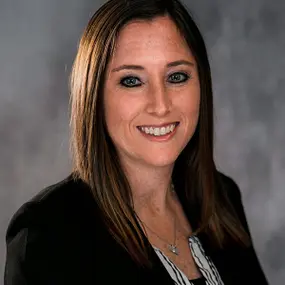
Amanda Szubert is the COO for Call Center Solutions. Her previous work experience includes roles in sales, guest services, homeowner services, accounting, workforce management and contact center management with Marriott and Brittain Resorts & Hotels.
Amanda has participated in the community’s Women’s Leadership Alliance and remains actively involved as a leader of future classes. She is a native of Illinois. Amanda graduated from Illinois State University with a Bachelors degree in both Business Administration and Hospitality Management. She also earned a minor degree both in accounting and insurance.