67 Years and Counting: How Elliott Realty Built a Vacation Rental Business That Lasts


 Apple Podcasts
 Spotify
 Amazon Music
 Castro
 RSS Feed
 What does it take to build a vacation rental company that can grow, evolve, and remain successful for nearly seven decades?
In this episode, Alex & Annie sit down with Rick Elliott and Brandon Cox of Elliott Realty to explore the people, systems, leadership decisions, and business fundamentals behind the company’s longevity.
Elliott Realty has been part of the Myrtle Beach vacation rental industry since 1959. Over those 67 years, the company has navigated new technology, changing traveler behavior, higher homeowner expectations, and an increasingly complex distribution landscape.
Rick and Brandon share why long-term success requires a willingness to evolve, strong systems, careful attention to detail, and people who can grow with the organization. They also discuss Elliott Realty’s approach to homeowner relationships, property standards, direct bookings, OTA distribution, brand development, and local tourism advocacy.
Episode Chapters:
06:42 - How Elliott Realty Has Evolved Since 1959
07:15 - Why Strong People and Systems Matter More Than Technology Alone
12:20 - Hiring Intentionally and Promoting Future Leaders From Within
15:59 - Understanding Individual Homeowner Goals and Expectations
19:05 - Maintaining Property Quality Across a Large Portfolio
27:52 - Balancing Direct Bookings With OTA Distribution
35:56 - The Importance of Local Advocacy and Community Involvement
48:00 - Why Investing in Your Brand Creates Long-Term Value
48:47 - How Founders Can Step Back and Empower Their Leadership Team
For vacation rental leaders thinking about the future of their business, this episode offers practical lessons on building a company that can adapt, develop new leaders, and remain strong for generations.
Connect with Rick:
LinkedIn: https://www.linkedin.com/in/rick-elliott-192aba11/
Connect with Brandon:
LinkedIn: https://www.linkedin.com/in/brandon-cox-87930a56/
Connect with Elliott Realty:
Website: https://www.elliottbeachrentals.com/
Facebook: https://www.facebook.com/elliottrealty
Instagram: https://www.instagram.com/elliottbeachrentals?igshid=YmMyMTA2M2Y%3D
LinkedIn: https://www.linkedin.com/company/elliott-beach-rentals/about/
✨ Exclusive Offer to Alex & Annie Listeners:
List your professionally managed properties on VacationFinder.com with no listing fees or booking commissions.
Join through the link below for a chance at featured launch placement and a $250 Amazon Gift Card. Drawing August 15, 2026.
👉 Get started: https://partners.vacationfinder.com/alexandannie
Automate your short-term rental operations with Hospitable.
Start a 14-day free trial and get 25% off your bill for the first 6 months.
👉 Get started: https://hospitable.com/partners/alex-annie
Thinking about the next chapter for your vacation rental business?
Connect with Monarch Collective to explore what growth could look like with the right platform behind you.
👉 Learn more: https://gomonarch.com/partnerships/
#vacationrentals #shorttermrentals #directbookings
Frequently Asked Questions
How long has Elliott Realty been in the vacation rental business?
Elliott Realty has been a fixture in the Myrtle Beach vacation rental industry since 1959, celebrating 67 years in business.
What are the core fundamentals for building a long-lasting vacation rental company?
Long-term success depends on embracing change, maintaining strict attention to operational details, establishing strong financial and accounting systems, and heavily investing in your people.
How does Elliott Realty handle different tiers of homeowners and properties?
Elliott Realty utilizes tiered branding—such as base brands, luxury lines, and boutique elite brands—along with property evaluation rubrics to match individual owner goals and maintain high quality standards.
Why is direct booking important for vacation rental managers using OTAs?
According to Elliott Realty leadership, OTAs should be used strictly as a top-of-funnel tool to promote your own brand and acquire guests whom you should permanently transition to direct booking channels.
00:57 - Sponsor Spotlight: Vacation Finder
06:42 - How Elliott Realty Has Evolved Since 1959
07:15 - Why Strong People and Systems Matter More Than Technology Alone
12:20 - Hiring Intentionally and Promoting Future Leaders From Within
15:59 - Understanding Individual Homeowner Goals and Expectations
19:05 - Maintaining Property Quality Across a Large Portfolio
21:24 - Sponsor Spotlight: Monarch Collective
27:52 - Balancing Direct Bookings With OTA Distribution
35:56 - The Importance of Local Advocacy and Community Involvement
40:01 - Sponsor Spotlight: Hospitable
48:00 - Why Investing in Your Brand Creates Long-Term Value
48:47 - How Founders Can Step Back and Empower Their Leadership Team
Brandon Cox
Never underestimate the power of your own brand. The sooner you do it, the better. Put some coin in that brand identity bank early on and it'll pay off later.
Rick Elliott
Anybody getting in the rental business, your first nature is to try to be a control freak. But uh quickly move to the back of the bus if you can and let other people get in front of you. The quicker you do that, the faster you can uh grow and uh longer you can survive in the business.
Alex Husner
I realized the world is much different than what I had just experienced here in our bubble. In that time, I've gotten to see the fundamentals that have made a company like Elliot be able to evolve through the years. I feel like the hotels are talking out of both sides of their mouth.
Annie Holcombe
They're like, we don't like short-term rentals, we're gonna fight against them. But oh, by the way, we have these short-term rentals over here that you could partner with us on to buy like timeshares or what have you.
Brandon Cox
Your presence on an OTA really should be about promoting your own brand. Once you have a guest who came to you by way of a third-party channel, your goal should be to have that guest never book through that channel again.
SPEAKER_04
Vacation
Sponsor Spotlight: Vacation Finder
SPEAKER_04
Finder is hybrid OTA. We were created to empower professional property managers and give them the ability to own the guest relationship once again. We position ourselves as more cause-related than we do about focusing on profit at the end of the day. I'm Josh Thromberg and I am the CEO of VacationFinder.com. Vacation Finder is exclusively for professional property managers. We require that they be local boots on the ground. Actual individuals are there in the destination that's able to provide customer service and solutions when problems arise. That helps us as Vacation Finder to really build and establish that trust, not only with property managers, but with the guests that we're trying to really look at Vacation Finder as their trusted booking source. For anyone that's a property manager that's out there looking to really focus more on even a direct booking model, I think Vacation Finder is really an opportunity that they need to consider. We're positioned to be the ally to professional property managers in our industry. We want you to own that guest relationship so that you have communication directly with that guest the moment that the booking occurs. So you're the merchant of record when you're owned vacation finder. And that's been the vision since day one is how can we create this marketplace that's going to put professional property managers in the driver's seat? How are we going to create a marketplace that communicates to guests the value that comes with selecting a property that's managed by a professional property manager? What does that provide to them? And that is what we're trying to do is provide the best possible solution for both guests and property managers. If you love our industry, if you love your homeowners and the properties you represent and the guests that come to stay in your properties and you want to create an experience for them and you want to do right by all the stakeholders, then you absolutely should consider Vacation Finder.
Alex Husner
If you're a professional property manager looking to reach more travelers while keeping control of the guest relationship, Vacation Finder is built with your business in mind. Claim this exclusive Alex and Annie listener offer. Eligible property managers may receive featured property placement during launch, plus entry into a $250 Amazon gift card drawing. Enter by August 15th, 2026 for your chance to win. Visit VacationFinder.com/slash Alexandanny. And we are joined today by Rick Elliott and Brandon Cox of Elliot Realty. So good to see you guys.
Brandon Cox
Same here. Thank you for having us. Good morning.
Annie Holcombe
We're excited about this. I'm really excited about this because I don't think I've ever actually really talked to me much, Brandon, like a real conversation. Rick, it's been a while since I've seen you, but I always enjoy you have such a southern charm about you and that that old that old world south accent. So I I love listening to you. But before we get started, why don't you tell us a little bit about, we'll start with you, Rick, and then go to you, Brandon, a little bit about your background, and then we can dive into the history and and the the company that is Elliott Realty.
Rick Elliott
Perfect. Uh thank you for having us on today. My name is Rick Elliott, and um I've been in the vacation rental business all my life. Um, I started in the housekeeping world with my mother cleaning condos and beach houses back in the day, and then went to Presbyterian College and then earned an MBA at the University of South Carolina in 1988. Um worked away for a couple of years and then moved back to the North Myrtle Beach area in 1990 with the intention to run a family business that my dad had started in 1959.
Alex Husner
Lot of history there. And Brandon?
Brandon Cox
Yeah, so I joined the team here at Elliott Beach Rentals about 18 years ago now. Grew up in a small town not too far away from North Myrtle Beach called Loris, South Carolina, for those uh who may know. Went to school at Duke University, uh, graduated, uh moved to Washington, D.C. for a bit. Interestingly enough, went to medical school and decided um on a changing careers. Came back home and uh I was lucky enough to find a home here at Elliott Beach Reynolds. You know, it's a company where folks start from the ground up. That's certainly been my story. Happy to have found a home uh here at Elliott.
Alex Husner
And and Brandon, you were just recently promoted to CEO this January, so that's pretty exciting.
Brandon Cox
It is. It is. I think the uh the best journey uh to a role like that in any company is to really do it from the ground up. Uh, you get to see the company from so many different perspectives. It informs how you approach your day-to-day task. It informs how other people look at you from within the company. They know that you've walked a mile in their shoes. When you ask them to do something, it certainly helps. But yeah, it's been a fun ride so far and looking forward to the next chapter.
Alex Husner
Yeah, absolutely. And I've known you two for a long time. We've served on North Myrtle Beach Chamber and CVB boards together for many years and many projects there. And, you know, we're uh competitors actually in in North Myrtle Beach for many years as well when I was at Condo World. But you guys have always been good stewards of the industry and really sticking out for what needs to happen, not only just the industry, but also the destination. But you know, 67 years in business now, I think Elliott Realty is one of the within the top 10 earliest vacation rental companies ever founded. So when people say Airbnbs are this new thing, we're gonna send them to you guys to tell them how what it what it's not. But I'm just curious, I mean, Rick, from your lens, like what has changed the most over the years compared to, you know, when you were, maybe not when you were a kid, but working in the business, but when you were, you know, rising into leadership within the company and taking over for your dad, like what's changed the most
How Elliott Realty Has Evolved Since 1959
Alex Husner
since then?
Rick Elliott
Well, I think the software, one of the things uh when I moved back in 1990, there was not any software in the industry. We used the old board when somebody made a reservation, we would mark that weekend on a board, and then whenever the deposit came in, we would shade that in, and that was a confirmed reservation, and everything was uh pretty much uh it wasn't automated at all. So in around 1993 or so, software started coming around. We actually bought a software called reservation board
Why Strong People and Systems Matter More Than Technology Alone
Rick Elliott
that we still use today. And so I would say the thing that I've seen over the years that's changed the most has been the advent of technology. And the um, but for you know, for as th as things change in the industry, everything still stays the same. There's still basic services that people expect. There's a lot of groundwork still that you have to do. And for all the technology in the world, if you don't have a good system in place and good people in place, then it doesn't work.
Annie Holcombe
Yeah. So so, Brandon, for you, I mean, you you you obviously haven't been there 67 years, but you've been there quite a long time. So you you've seen the technology shift as well. Is that is that what you would say is the biggest change for you?
Brandon Cox
It is. I'd put that at the top of the list. I think we've um done a good job of balancing out the true advantages that from our legacy software that Rick mentioned and making sure that we still can partner with any third-party platform vendor that we intend to do business with. So we're still very relevant. But um, the biggest thing about the software for us is that we've been able to really customize it over the years. We haven't really been limited by our ability to dream up a new report or a new functionality of our software. We don't have to wait on a critical mass of folks to decide that it's a feature that they want. And so that's been, I think, a part of a success, frankly, of our business. A close second to the technology piece, I would say, is customer, both guest and homeowner expectation. I think that's grown incredibly over the years. I think the most notable inflection point in that expectation curve was obviously COVID. I think it really changed the game and what guests expected out of us as an industry. And of course, it brought new homeowners to the industry who really saw this spike in a potential income curve and they wanted to get in and get in fast. And they just didn't have the uh the backstory that a lot of owners who'd been in the industry for a while had. And so they set their expectations at a very high level coming in the market post-COVID. And that that's presented a real challenge just from a relationship standpoint, and really that's about setting expectations, communicating to homeowners about the reality of what's happening in the industry. So I would say uh technology first and then um rising uh guests and homeowner expectations second.
Alex Husner
Yeah, yeah, that's that's one I would say too. Yeah, and you know, it was funny years ago when when I left and went to work for Cossago and was traveling all over the country and got to meet with property managers of all sizes and very different destinations than what we're used to here in our backyard. And I realized, you know, the world is much different than what I had just experienced here in our bubble, that I thought all companies had, you know, hundreds of properties that you guys have, 1600. So you're one of the largest for sure. But I didn't realize how different vacation rentals could be done, uh, depending on, you know, the location of where they are, if it's urban versus you know traditional vacation destination. And that was really eye-opening. But also in that time, I've gotten to see, you know, the the fundamentals that have made a company like Elliot be able to evolve through the years is has been critical. And there's a lot of companies that have come and gone, you know, kind of fly by night over over the years, I would say. And I'm curious for your take on like what makes a company stand that test of time? Like, what are like some of the things that are you think the the most fundamental to what have been part of your success?
Rick Elliott
Well, um, from my standpoint, I would say number one, um you always have to be willing to change and you have to accept change and you have to look for change. That's primary the thing that our company has always focused on. And when you're dealing with a large number of people, large number of units, uh, people sometimes want to stay in the same zone and not change. And as a business person, you have to push people a little bit in that in that direction. So I would say that's one of the most important things I've seen over the years is you know, getting people to accept change and working, working within the company to embrace that change and support the initiatives as we try to do things a little bit differently. The other thing I would say that's really, really important is the details. You have to pay attention to details in business. And if you're not picking up the cigarette butts like I do in the parking lot every day, then you're not going to have a successful business. I've seen so many people get in this business and they have big plans and big ideas, uh, but they're focused on the big picture and they don't uh zero in on the basic fundamentals that it takes to have a successful business. One of the things I would advise anyone getting into business is to focus on the accounting piece. Uh, so many businesses rise and fall on the accounting side, and that is a one of the building blocks of any business that you have to have in place when you get started in this industry.
Hiring Intentionally and Promoting Future Leaders From Within
Brandon Cox
I would just um add, I think, uh, and this is uh certainly something that Rick has done in spades for our company, is that if you want to be around a long time, you have to invest in your people. Um we've got an amazing crew. I'm proud to lead them. I'm proud to be a part of the team. It is a group effort. I'm proud in each or every one of our folks who um, you know, make it go every day. And honestly, that didn't happen by accident. I would say hire slow, be intentional about who you bring on board, be mindful of the culture of the company that you're inviting them into. Um, I think if you sampled some folks at our company, they would tell you that they felt like they might have been interviewing to run the show as many times as they came in for an interview, just because we're we're just so intentional about making sure we make those good choices on the front end, um, particularly the further up the ladder you're entering our organization. And on that point, if we frankly have a culture of promotion from within. So it's a fairly rare hire at our company for someone to join at a much higher level in the organization. It's really about having folks who have the potential to grow within the organization. I'm certainly a product of that philosophy and um certainly try to keep that going with that. The company now it's worked well for us and uh it's a model I think folks could learn a lot from.
Annie Holcombe
I think that's super important. And to your point, I think a lot of people overlook that because they they get into the the season of needing to hire people and they're just hiring for bodies, you know, to fill in, fill in spaces. But um, relative to intentionality with hiring staff, I think intentionality over to your owner portfolio and how you onboard your owners and the owners that you actually take on is a really important topic as well. And one of the things that Alex and I've really talked with a lot of people about this year is that there was a mentality for a while of just grow at all costs, you know, acquire, get as many units, and and really not taking the time to have an intentional, thoughtful process of attracting the right owner and making sure that your team understood what does a right owner look like? How do we treat them? So why don't you talk a little bit about what you guys have done? Because again, being in the business for this long, you you're doing right things, owners are happy, owners are sticking around, you're getting owners. Um, so what do you think that you're doing that maybe other people can learn from? And uh, Brandon, I'll start with you, and then we could go to Rick or whichever.
Brandon Cox
Well, I I would say, you know, data is king. And so you have the ability to kind of you know what uh part property portfolio performs well in your market. You know uh you have the advantage of really kind of um being intentional, as you say, about which properties you target. Uh I would say there's a place for a wide range of properties, certainly within our market. That might not be true of all markets, but once you have a property on board, you have to really make sure that you're maintaining that quality of product. And part of that is about having systems and processes internally that help make that so. So if a property needs a little TLC, and sometimes they do, we have internal facing programs that allow us to make it easy for a homeowner who may be living afar, who really needs uh a bit more help to pull together uh quotes from disparate vendors to do the work that needs to be done to keep the property um in tip top shape. And making that easy for a homeowner is really in your own self- self-interest, and it's in in the homeowner's interest because you know, we're yoked in that way. We make money when homeowners make money. And so um providing that better product once you have something on board and being intentional about which ones you choose, I think is an important piece
Understanding Individual Homeowner Goals and Expectations
Brandon Cox
of the puzzle.
Rick Elliott
Yeah, and I think I think you also have to ask each homeowner individually, what are your goals and what are your expectations for the property? And then Elliot over the years has done a really good job of meeting each individual owner's goals. Some people want to actively participate and some do not. We offer both. Uh, some homeowners have rate uh reductions they will allow and some won't. And so we've changed our systems to adapt to the individual homeowner. I think that's really important. You cannot have a cookie-cutter system out there that's gonna do everything for everybody, and you say, well, this is the way we do business, because homeowners are individuals and they have different goals. So we and me, when I've signed people up over the years, which I've signed a lot of them up, is I've always asked, hey, what do you what do you want out of this and what are your goals? And then as a realtor, I've been very candid with people and sometimes say, Well, you a little bit, you know, whatever. I say, Well, I'm not um being rude, I'm just being straightforward with you. And a lot of times people are not straightforward uh with homeowners and they don't uh give them good advice. Uh they give them poor rental projections that may not be based on rental history and things like that. So authenticity is important. I think it's also important to have different brands for different homeowners. For example, our company has a base brand, and most of our units are in that base brand of Elliott Beach Rentals. And then over the years, we've seen how um competitors have come into our marketplace. So we've evolved and we've added other brands like our luxury brand, our Grand Villas brand for our bigger houses, and now we've upgraded to our elite brand for our boutique homeowners that want to have extra special service, personal uh contact with our um owner services representing full inspections, uh, all the things that you would inspect uh with a top-end rental. And uh so what we've done has changed over the years to meet the individual homeowners' needs and provide a specific brands for those homeowners to be able to be a part of.
Alex Husner
Okay, that's actually a really interesting topic, and I'm glad that you brought it up because I I get asked that uh all the time of, you know, if you're in a market that you you're in Hilton Head and you're growing a portfolio of large homes and they're really nice homes, but you keep getting homeowners that have these, you know, not that they're bad properties, but they're of a different caliber than the rest. And do you take them on or do you start another brand for them? And it's it's a hard thing to debate because uh, in a lot of cases, you know, if it's a if it's a newer company, you know, starting another brand now means you're doing two sides of marketing, you know, if that's if you're pushing the direct booking side at least. But how do you guys approach that? I mean, like how how did that kind of emerge and evolve over the years? And I I think what you said about the boutique one, that's actually more about the service they get versus necessarily the properties. So it sounds like you've got different levels of differentiation there.
Maintaining Property Quality Across a Large Portfolio
Rick Elliott
Yeah, I mean, we've got different uh uh type of properties within the property. For example, one of the things that we did many years ago, we started a blue, green, yellow, red. And so blue was our basic, and then on up to red our nicer properties. So within each individual brand, there's also a color. And so that seems to, I think, encourage homeowners to try to step up their game. If they're in a blue category, they may want to go to a green. And so we've seen um when we do unit evaluations each year, which I also think are really important, Brandon, that we continue to do so we can constantly grade our property and uh encourage our homeowners to uh participate in upgrades and things like that. I think every rental company should have someone inside or outside that does upgrades to property and authorizes or has a homeowner uh notified if there's a unit needs work or some things beyond normal wear and tear, then we need to let them know so the public uh checks into a nice property and the homeowners understand, hey, we've got certain standards we need to uphold, and we expect them to take uh their, you know, they need to do their share of uh making sure they upgrade as well.
Brandon Cox
And I would say for folks out there who might be listening who may be thinking about instituting something like this within their own vacation rental companies, we started out internally. We we did the evaluations, we assigned folks into a property category type. Um it was a little loose when it started. Uh we didn't publish it to the public at first, but uh, folks who were looking at inventory to possibly book on the phone were able to see uh, for lack of a better term, the grade that we designed the property. We got a little smarter, learned from our mistakes, and really got intentional again about uh trying to take something that can be inherently subjective and and make it as objective as we could. And so instituted a scoring rubric and we visit each property uh in the offseason to grade and regrade the property. And it does, like Rick said, it it provides a sort of a carrot approach to encourage people to keep the quality of the inventory high. It's worked well for us, so I'd encourage folks who maybe aren't doing that now to think about it.
Sponsor Spotlight: Monarch Collective
Alex Husner
If you own a vacation rental management company, this one is for you. A lot of owners have thought about selling someday. Maybe not today, maybe not even this year, but eventually. And when that thought comes up, two questions usually stop people in their tracks. What is my business actually worth? And what happens to the people, the homeowners, the reputation, and the brand that I spent years building? That's exactly why we want you to know about Monarch Collective. Monarch is built for local vacation rental brands that want to grow without losing what made them special in the first place. When Monarch comes into a new market, the local brand stays. And not just the name on the website. Stays, the homeowner relationships stay, the reputation you earned in your own backyard stays. But now there's a much bigger platform behind it. You get paid for what you built and the parts of the business that drain so many owners. Finance, accounting, HR, legal, backend operations, they come off your plate. And instead of doing everything alone, you get the support and horsepower to keep growing. You can keep running the business as long as you want. You can step back when you're ready. There's not one version of what this has to look like. And here's the best part you don't have to be ready to sell to have the conversation. Even if you're just curious, Monarch will sit down with you, free and no strings attached, to help you understand what your business could be worth. No pressure to sell, no pressure to sell to them, just a real conversation with people who understand this industry and respect what local operators have built. So if you've ever wondered what your company could be worth, go find out. Visit gomonarch.com/slash partnerships.
Annie Holcombe
And you mentioned you had your own technology. And I imagine like anybody's out there listening, I mean, I know when I was a property manager, we did something similar because we had condos and condos, you you have to do that because one building could have so many variations of a unit type and the quality of it. But for somebody who's out there thinking, like, oh, my technology is not going to allow for me to do this. Like, do you have a simple maybe starter suggestion for people to be able to weigh into that type of operation?
Brandon Cox
It's a great question. I would I would say the sort of build it versus buy it debate that we sometimes hear at national conferences. Um there's advantages and disadvantages. Um it it does come with work. So I don't want to pretend like it's it doesn't. Uh once you commit to to building something in your tech stack, you're committed to maintain it over time. If it breaks, you have to fix it. You can't put in a support ticket and ask somebody else to take care of it. That's all on you. Um and that comes with, you know, sometimes a heavier operational lift than you imagined your day was going to include. So that's the reality of uh maybe some of the downside, but the upside is certainly there. I mean, you own those technologies that you build, you're able to change them at will, um, learn from your mistakes, build a better mousetrap tomorrow. Uh, we're constantly in that cycle of trying to um improve upon technologies that we've that we've rolled out. Uh for us, I'd think one of the more recent launches of some technology internally was a guest-facing portal. So sort of a welcome app, if you will. It orients folks to the things that are specific to their home, all fed from our software uh into this third-party space. It allows you to seamlessly communicate with guests, allow them to communicate with you if they have concerns or questions. They can do that easily with staff. It's been a huge win. Um, it's we've it's I would say it's sort of in phase one. It's got great potential to have um lots more features than it currently does. Um, excited about continuing um that project and and many others that we've got going on. But pick something manageable. You know, there's some things that I think a smaller company, it might make sense for you to outsource, uh, but but start small, I would say.
Rick Elliott
Yeah, and I I would say push your software companies to try to change uh because they want to continue to grow too. So uh be the squeaky wheel and um start squeaking is what I would say.
Alex Husner
People yeah, yeah, no, definitely understand the pros and the cons on that side for sure. But um, you know, every year I feel like when I was in business here, we were there was always something new that we were focused on that year, whether it was the new website or it was something new we were building in our technology or a different program we were using, like after being in business for for so long, I mean, like what are the things that are are you guys thinking about? Like what's new and on the horizon that you maybe you're implementing this year or that you're thinking about in the future?
Rick Elliott
Well, yeah, I think you still have to constantly update your websites. That's very, very important. You you you if you want to try to move away from uh being dependent completely on OTAs, you have to have your own business model and your own websites, your own direct book, your own content writing, your own schema code now with the AI coming on. All these things are critically important. So if you want to continue to be successful, I would say focus on uh web marketing. Uh for us, it's about uh also giving our owners what they want with our owner portal. I think we've developed a really cool owner portal that works well for our homeowners. It gives them the opportunity again to participate and to uh give us advice on things they want. Of course, I'm big on letting homeowners tell us everything about rates and uh give us uh their thoughts, and uh sometimes we get a little pushback from staff on that as to how far we want to uh take that. But uh having those type things are really important. Brandon mentioned the guest app. I think that's been really uh effective in allowing us to not only just get the owner or the guests to stay in the property, but try to give the guest and all the guests staying in the property a reason to let us know who they are, their email, um, their name, so that we can build a bigger database of marketing to the guests that stay in these properties. As you know, Brandon, many of these properties have 30, 40 people sometime in them. So if you're able to pick up uh extra 30 people and then and then ask them to review you about that property so that that review shows up on your websites, then your website becomes the authority for that property and not another one that may be an OTA or something
Balancing Direct Bookings With OTA Distribution
Rick Elliott
like that.
Alex Husner
Yeah, definitely. And so speaking of the OTAs, you guys have been a book direct brand forever, basically, but how do you approach looking at the channels and and do you list on all of them or is there one that you don't these days?
Brandon Cox
Any distribution strategy sh should be broad, mainly I would say to get your brand out there, um, if for nothing else. I I think direct booking is where it's at. If you don't have a direct booking strategy today as a short-term rental company who's listening, you should. Your presence on an OTA really should be about promoting your own brand. And once you have a guest who came to you by way of a third-party channel, fake that channel for the that booking, and then your goal should be to have that guest never book through that channel again. So a good direct booking strategy, I think, is really imperative. You know, you have to be in those spaces. Homeowners have certainly there's an expectation that you have to be in that space, or or you're not um you're not really doing your job to market their property appropriately. Um, of course, there's communication about explaining, you know, why there might be some fallacy in thinking that that we try to do a good job of educating our homeowners on, but uh you are up against uh a very large marketing budget in OTAs who are are telling homeowners and guests otherwise. So a really strong direct booking strategy is incredibly important.
Rick Elliott
Yeah. And OTAs, I I don't see any issue with any of them. I think they all provide a useful service in the industry. And for companies like ours, you know, our houses uh that generally book for a week, they might be better on one platform uh versus an another, where you may have uh we have a Myrtle Beach uh uh we have units in Myrtle Beach, and we have those units up under a different brand called Myrtle Beach VacationRentals.com. And Alex, as you know, most of Myrtle Beach is one and two bedroom, a few three-bedroom condos. It's more of a hotel motel marketplace. And so in that marketplace, you get a lot of last minute bookings, and in those uh particular units uh are it's very important to be on the OTA and specific ones that generally drive you more last-minute business. So uh you have to have it in the industry. You you respect the brands and what they do. And um, of course, again, as Brandon says, you want to be as you want to get as many direct booked as you can. And one of the things that companies like Elliot is seeing is we're seeing a change in the marketplace, and everybody wants to push three and four days in the summertime. And from my perspective, if you do that, you're just gonna push all your business to the OTAs, and you're gonna lose your brand, you're gonna lose your recognition, and you're gonna lose uh your advanced deposits and other things. So I would say uh companies like ours, as we evolve, we still want to keep in the summertime for particular properties like our big house is a beach week. People will still book a beach week in the summertime if you if you have the right price. And even on a three and three-bedroom and four-bedroom condos, larger families have to prepare and book a little earlier. Those will still book for a week as well. So different OTA strategies for different types of properties from what we have seen, and we choose to do do it all. And what we have seen is our one and two bedroom units, we've trended a little more heavily toward OTA bookings, Brandon. And uh bigger properties that we've seen, they still will come um direct to us. And even companies like ours now are having to change. We're having to adapt to uh allowing daily rentals on our websites for select properties and select buildings. So I that's another change that we see that we're adapting to it, and we're trying to recognize a marketplace, not always want to book for a week in the summertime, and and I think we're on the right track to continue to improve our direct books as a result.
Alex Husner
Yeah, yeah, and it's funny too, because I always tell people about, you know, there was a day in time when it you couldn't rent a property in North Myrtle Beach outside of Saturday to Saturday. And I think, you know, to your point, that's that's reduced in some cases, but there is still a market that wants that length of stay, and they are used to that type of vacation coming in Saturday, leaving the following. Because if you're driving down from Ohio, New York, Pennsylvania down to Myrtle Beach, I mean, you don't want to turn around two days later and drive back. So those vacationers still they still exist there. But I wanted to kind of shift a little bit to the destination and Rick, what you've seen over the years. I mean, I've I've been here since 2007 and I've definitely seen quite a bit of of change and growth in the area, but you've certainly been here longer. But what's been your experience as far as the destination and running the business?
Rick Elliott
Well, I think number one, and when I moved in 1990, you didn't have near as many um beach hours, you had a lot of you had condos and and uh more wood structure condos, and over that time you saw the evolution of the uh steel and concrete. Um, you've also seen a change in the house market where although there's still a huge market for a traditional three, four-bedroom house, uh, you've seen bigger houses evolve in the marketplace, and um they're very nice properties. You're seeing a lot of redevelopment, I think that's a positive in our community, and um we're seeing new investors come in. So from my standpoint, uh over the years, what I've seen is a more knowledgeable buyer, more uh inquisitive buyer, and obviously a guest that has much higher expectations as they have in the in the past. But um, you know, nor our our end of the beach has changed. It's still family for as much as things change, they stay the same. It's still a family vacation destination. It's still a great place to come and enjoy the beach and the food and the other things that we offer here, attractions in in this area. And um honestly, I've been to a lot of different places and vacation, and I can't find I can't find a better place in the world than this area, Myrtle Beach and North Myrtle Beach.
Brandon Cox
I would uh I totally agree with everything Rick just said. Um from a perhaps a different vantage point. Um, I know uh you were involved um with destination of North Myrtle Beach, the North Myrtle Beach Chamber of Commerce at the time, Alex, and you've been involved with the Myrtle Beach Chamber as well. But it's been nice to see a change in our destination getting the word out about who we are, particularly uh in our territory involves both Myrtle and North Myrtle in both very important markets. Uh it's been nice to see North Myrtle Beach um develop a bit of its brand identity over time, uh, certainly understanding that we are part of a larger Grand Strand area, but having a bit of a um distinct um identity like all of the parts of the Grand Strand have, and being able to tell that story and watch that bear some fruit has been um fun to have a front row seat too.
Rick Elliott
Yeah. And you and you, of course, you can't do any any of this without marketing and money. And one of the things that our area did, um, I know when my dad was in the State Senate, uh, he and Brad Dean worked together on getting a bill passed that was uh very important for our community that included uh what was called a TDF. And then Myrtle Beach over the years has passed that, and it has provided a huge marketing benefit to our area and dollars that have given us the opportunity to promote and uh let people know who we are. It's a one one percent tax, and uh and the city of Myrtle Beach has been very wise in passing that tax.
The Importance of Local Advocacy and Community Involvement
Annie Holcombe
A lot of destinations got ahead of that. And it's interesting you bring up the marketing and the destination, and I think Myrtle Beach is a is a prime example of when the destination works really well with all of their partners within the market. And I've uncovered just in working in my consultancy since last year, some some markets where that's not the case. Um, I was working with a group, and this is just the big example that I've been using lately, um, in Indianapolis. And they have just shy of 6,000 properties in their market, but their destination organization doesn't even mention them, doesn't speak about them. If you ask, they send you hotels. Um, so you know, there is oftentimes markets where the vacation and short-term rental piece of the um of the of the fabric of the community isn't even acknowledged. And so a friend of ours um is putting together a group called Hosts and Home, and it's it's um in conjunction or actually after Destination International at the end of July. And it's really to get the people from these different destination organizations together to talk about like how do you invite short-term rentals in? And so I think it's an important conversation to have because I think a lot of people in some of these little tertiary markets that maybe there are newer in terms of destinations, they don't know what to do. Um, but what Rick, since you've been in the market for such a long time, what do you think has been key to vacation rentals being incorporated so seamlessly within the marketing that they're the you know, the destination doesn't look at you guys separately from the hotels. I mean, you're you're all one entity when they go out and market.
Rick Elliott
Well, I think you have to look at again, you go back, follow the money always. In our in our state, we passed the accommodations tax, and we also have local option taxes for roads and education, and we also have hospitality taxes. And if you look at our community alone, what uh the state has been gracious in the fact that home rule is such an important part of our state, we now have a 2% accommodations tax we send to Columbia that comes back to Ory County and back to the point of origin where it was generated in the city of North Myrtle and Myrtle, and those funds are getting to be used for services related to tourism as well as tourism marketing. We also have uh dollars that get uh used for roads and education and hospitality taxes that benefit our local community. So, our uh tourist, we put our money where our mouth is, and our tourism has benefited uh because of that, and more importantly, our local community has massively benefited from the taxes that the communities generate. And I've seen so many communities of that I look at it and do an advocacy where they don't have any money coming back to the local community. And uh with that said, how can you get your local residents to uh support you if uh you're not contributing? And in our community alone, about 80% of our budget is directly to rated the tourism, and our property taxes are some of the lowest in the state. So tourism advocacy, and then talking about marketing, hotels, and short-term rentals, we're all part of the same family. And you and I have all seen how it works in cities across America where the hotel lobbies get together and they decide that they hate short-term rentals that they don't like them or whatever. They're there they're not good. And you've seen what happens when those communities sometimes uh do away with a short-term rental in that community. The tourism goes away, the prices go up, and uh the benefit to the resident, as I see it in the long run, does not uh go in in a positive direction. So we're all intertwined hotels and motels, condos and beach houses, and we all have a responsibility to our community to ensure that we continue to uh promote each other and not be adversarial but be complimentary to one another.
Sponsor Spotlight: Hospitable
SPEAKER_00
My name is Ashley Kerr. I'm the co-host of the Bigger Pockets Real Estate Rookie podcast, and I'm also an investor entrepreneur. I invest in long-term rentals and short-term rentals, and I actually have just been using Hospitable for a little over six months now. Hospitable has changed the way that I handle guest communication. I'm using the AI feature to respond, and it has definitely been a noticeable impact that guests are getting a response right away instead of waiting for me to be available or just me in general having to stop what I'm doing to be able to respond to a guest. And a lot of the questions are the same questions over and over again. It really has made a big impact on my time of not having to spend that. But also, guests are really thankful and say, I appreciate you responding so quickly a lot. Some of the features that I love about Hospital that have been game changers for me, besides the messaging, is also the dynamic pricing, being able to maximize my price point. Also, when I create the listing, as to actually how it's guiding you through the listing and helping you optimize your listing too was a big thing for me. Now that I started using Hospitable, one thing I've definitely thought about is how much easier it is going to be to acquire another short-term rental. If I had to describe my experience with Hospitable, I would say it has been amazing. I cannot even begin to explain the life changing. It's not even being dramatic here. But once you make the switch and realize all of the roles and automations that this software can do for your business, you will be kicking yourself for not switching sooner and for doing all of these things manually. You will never get a better night's sleep as a host without using Hospitable. You can put your phone on Do Not Disturb. The AI will message for you. And there is no better feeling than getting the notification that somebody has booked and all of the messaging is taken care of, and all you have to do is watch for the payment to come into your bank account.
SPEAKER_02
Run your short-term rental business on autopilot with Hospitable. Alex and Annie listeners get a 14-day free trial plus 25% off for the first six months. Click the link in the description to get started.
Annie Holcombe
I'm sure you've seen what's been going on in Florida, um, just because Florida, they've tried to take away tourism tax dollar, like the to dollars that are earmarked for marketing and pull it back to offset taxes. But that, you know, that there's been this big fight where even though the people are seeing the benefits, um, Panama City Beach is similar to Mar, you know, to Myrtle Beach, and that we have a lot of attractions that wouldn't be here, quite frankly, if it hadn't been for the tourism, because these people would never have built thinking that there was, you know, just summers, you know, these these restaurants. Dolly Parton wouldn't be building a second um, you know, destination uh theater here if it weren't for tourism. But there's just this constant battle. And I I feel like it what to your point, Rick, about the hotels. What's interesting to me is I feel like the hotels are talking out of both sides of their mouth. You know, they're like, we don't like short-term rentals, we're gonna fight against them. But oh, by the way, we have these short-term rentals over here that you could partner with us on to buy like timeshares or or what have you. Um, you know, there's brands that actually will rent your inventory for, you know, the purposes of their um, their brand. So I think that that's that's a battle that's always gonna be waged, but it's it's how do you educate the local, the local market? And even though they they see the benefits if you spell it out for them, but they're so used to it just being there in the background that they're not recognizing that it's a direct result of maybe some of the nuisance of the traffic on Fourth of July weekend or things like that.
Brandon Cox
Uh you're spot on, Andy. That's exactly where I was headed. Uh I think that the missing piece there is is the communication piece. It's it's about telling the story about um why the city that you decided to move to was why you chose it. Most folks are going to tell you they chose it because of all the things you mentioned. It's got a vibrant restaurant scene, things to do. Everybody's going to want to visit you because it that's the place to be, right? That decision that made you choose this to be your new home is a direct result of tourism. And you can connect the dots in a way that really sells that story. I think the chambers of commerce writ large in our area, Myrtle Beach Chamber, North Myrtle Beach Chamber, are doing a good job of trying to tell that story. There's still work to be done, but it's work to do that. And it is uh it is an education campaign. We're we're having new resident workshops uh here in North Myrtle Beach that talk to people at their entry point to our uh destination that they're now calling home. So we're having realtors um let them know about the next upcome upcoming new resident workshop for them to um show up and understand what makes the city tick, including where your tax dollars come from and what they're used for. But that communication piece you're you're so right is definitely a big piece of the puzzle.
Rick Elliott
Yeah. Local advocacy are spot on Brandon local advocacy is critically important. And one of the things that we often lose sight of is the foundation. And the foundation of short-term rental business is community support. And we lose sight of that so many times and that advocacy piece that goes out to all these external markets and all this money that we spend to try to get people come to the beach, we fail to take care of our local residents who who are truly our main assets because those are the people that have to support us, that have to sometimes tolerate us, as you know. But uh the local advocacy piece is many times uh and from what I've seen in our a lot of communities, uh people just don't put the money into it and they don't have Facebook groups out there trying to offset negative and other things that that um we see now in the marketplace and and communities need to have very strong um public service people that speak uh for elected officials that can also offset things that they hear in the local short-term rental community when things do pop up from time to time.
Alex Husner
Yeah and you guys have been very involved with the South Carolina BRMA and and with BRMA as well and I think it's it's it's super important that you have the people that that stand up and that take the time to to learn it. And obviously Rick when your your background with your dad and and in politics I mean you were around that but we actually we just had Tyane Marsink on earlier today. We recorded with her and we were talking about that because there's some crazy things going on in Missouri right now. But you know we we said there's a lot of people that aren't as connected as all of us are to even know that these things are happening. And then all of a sudden something happens and it's too late, you know, and then there's there's really nothing you can do at that point. But um the more community involvement and the more associations and connections you can make it it's going to help you in the future. I think we've all seen that.
Brandon Cox
And I think the local chambers of commerce are a great um entry point for folks to get involved. Show up to a meeting meet some of your um folks who are who are in your competitor set meet folks who aren't it's just a great way to network um and that's where it all starts is is once you've once you have a seat at the table and everyone's talking then you've got the ability to speak with a louder voice than doing it on your own, you know?
Alex Husner
Mm-hmm. Yeah it's the famous Brad Bean line if you're not at the table you're on the menu.
Brandon Cox
You're on the menu you got it right.
Alex Husner
Looking ahead to the future guys so I mean there's been a lot of evolution here but Brandon you're kind of now at the helm um uh what if you were starting the business from scratch right now and forget all that history that you had and for anybody who's out there that's thinking about starting business or just getting started what was one thing that you would do differently or one piece of advice one piece of advice.
Why Investing in Your Brand Creates Long-Term Value
Brandon Cox
I mean I would say one piece of advice is um to never underestimate the power of your own brand. You guys are a great example of this sitting here today your podcast is a shiny example of what caring about your brand looks like you guys do an amazing job of that. I think folks are particularly folks who are new to the industry and feel like they need that it's maybe too hard to invest in your brand in those early years I think the sooner you do it the better. It's almost like if I could go back in time and I could teach my future self what the power of compound interest really means I would tell my future my my past self to save a little more right saving and investing way earlier. Yeah put some put some put some coin in that brand identity bank early on and it'll pay off later would be my best advice.
How Founders Can Step Back and Empower Their Leadership Team
Rick Elliott
Yeah I I would say uh from the standpoint of me if I could go back and do it again of course anybody getting in the rental business your first nature is to try to be a control freak and you want to control everything because you have to do it because you're the owner services property services you're the accountant you you you do it all I mean you and and so you you have to kind of control by nature. That's the way you have to get started. But I would give any to any advice I give anybody is move to the back of the bus as quickly as you can and let somebody else get in front of you build a management team build systems processes and most importantly focus as Brandon said earlier on finding great people. Don't be afraid to find people that are not yes women and men. I've always looked to find strong-willed intelligent people that I can uh work with and then they can use their voice too uh to uh be able to help us continue to evolve and grow the business versus me having to dictate and direct. And of course Brandon will tell you you know I still push but uh I push for change. That's my my what I've um become more focused on in my later years is I I want to keep changing this evolve to make sure we're keeping up with the way things are in the business now. And um so if you're starting a business there's certain certain things you're gonna have to do on the front end to do a little bit of everything. But uh quickly move to the back of the bus if you can and let other people get in front of you. The quicker you do that the faster you can uh grow and uh longer you can survive in the business.
Alex Husner
Yeah I think this episode has some of the best advice in one episode that we've ever had to be honest there there are so many things in the last 49 minutes that you guys shared here that I mean it it that comes from the collective knowledge and experience and having lived it. But I I the there's as Sarah and T used to say there's definitely some pullover moments in in this episode. So we hope that everybody got a little bit from it and I know that I know that they will. But if anybody wants to get in touch with you guys I mean I feel like you might be sought out after this for some more advice. So what's the best way for to reach out to you?
Brandon Cox
I think I've included my LinkedIn uh profile that'll be a part of this episode. You can email me directly if that's easier brandon.cox at elliottrealty dot com.
Rick Elliott
And then you can email me at rick at elliotrealty dot com and uh of course you guys are great. Alex I'm very proud of you you've done well I can remember from the days when I was the chairman of the chamber of commerce in North Myrtle Beach and the person that I saw that had an enormous amount of talent talent was Alex. Oh thank you Rick and picked Alex to be the marketing manager of the Chamber of Commerce and you've done so well and um of course our North Myrtle Beach is super proud of you for everything that you've done as well as what you did at Myrtle Beach you chaired the Myrtle Beach Chamber of Commerce as well.
Alex Husner
Oh thank you very much that means a lot I appreciate that and you guys have always been great supporters and friends over the years and uh it's it's been a good journey you know when you look back on all of it for sure. Awesome. Well we will put uh all the contact info in the show notes if anybody wants to reach out to Rick and Brandon and are we going to see you guys at one of the conferences this year? What's then the schedule for you?
Brandon Cox
Yeah we'll be at um certainly at Verma and probably a few other conferences as well. Excited to reconnect with some folks we haven't talked to in a bit.
Rick Elliott
Yeah we'll be there and look forward to it and if you have us back on uh let's talk about Bussy the beach ball and how we rebuilt our housekeeping department after COVID. I think that would be a good episode for people to hear about as well.
Alex Husner
Yeah yeah we will definitely do that.
Rick Elliott
Amy Highnote always says I've got to get you on so you can tell that story because it's so funny and people can see who who we're who you really are. So uh as Brandon knows he sees it all the time we we keep it fun and we have a good time at the company I think that's a huge part of building a business is is uh having a happy fun environment to work in keeping it family friendly but uh also ensuring people they're they're happy happiness is important to us all.
Brandon Cox
I hope you won't mind me uh sharing this but I've I've said this behind closed doors and it happens to be true but I think that the the free entertainment that I get on a daily basis is a part of the compensation package.
Alex Husner
So oh yeah yeah I don't charge there's one year I saw you on the Brandon first I can't remember what it was but you had to hold a sign all day long. It was somebody that was running for politics and oh man done a lot of good things. So awesome well thank you guys for sure we got teed it up or we will have you back on later this year. And we've got some other round tables that you're gonna participate in that are coming up um sooner than later. So that's gonna be fun. But uh if anybody wants to get in in touch with Annie and I you can go to alex and anniepodcast dot com. And until next time thanks everybody


CEO
Brandon Cox is the Chief Executive Officer of Elliott Beach Rentals, a long-standing vacation rental management company with properties on South Carolina's Grand Strand. With 18 years of experience in the vacation rental industry, Brandon has helped guide the company's evolution through significant growth, technological innovation, and changing consumer expectations.
He believes that successful vacation rental companies must balance innovation with the personal relationships that have always been at the heart of hospitality.
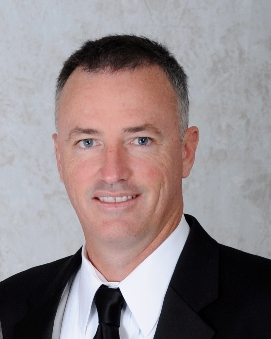
President
Rick Elliott has spent his life in the vacation rental industry. He began by helping his mother clean condos and beach houses before returning to North Myrtle Beach in 1990 to help lead the family business his father founded in 1959.
Over the years, Rick has helped Elliott Realty navigate changes in technology, marketing, distribution, homeowner expectations, and guest behavior. He has also remained deeply involved in tourism advocacy and the continued development of the Myrtle Beach community.