Why InvitedHome Bet on Ski Markets Instead of Bigger Scale with CEO James Smith

 Apple Podcasts
 Spotify
 Amazon Music
 Castro
 RSS Feed
 In this episode, we are joined by James Smith, CEO of InvitedHome, for a conversation about focused growth, luxury vacation rental operations, and what it takes to build a more sustainable business in high-end destinations.
James shares how InvitedHome evolved from a broader multi-market vacation rental company into a luxury brand focused on ski markets. After operating across different types of destinations, the company made the decision to narrow its focus and go deeper in the markets where it could build stronger operations, deeper owner relationships, and more consistent guest experiences.
That shift became one of the central themes of the conversation: bigger is not always better. James explains why going deeper in the right markets can be stronger than expanding everywhere at once, and why sustainable growth requires the right homes, the right owners, strong teams, and the operational discipline to support the experience being promised.
Episode Chapters:
04:00 - Choosing Focus Over Footprint
05:39 - The Challenge of Scaling Luxury Vacation Rentals
16:59 - Working with the Right Owners
20:04 - What Consistency Means in Luxury
21:32 - AI, Technology, and High-Touch Service
27:36 - Direct Bookings and Luxury Travel Advisors
39:22 - Regulation in Ski Markets
46:12 - Why Undercharging Can Hurt the Business
Connect with James:
LinkedIn: https://www.linkedin.com/in/jamesalansmith/
Website: https://invitedhome.com
Connect with InvitedHome:
Website: https://invitedhome.com
Instagram: https://www.instagram.com/invitedhome/
Facebook: https://www.facebook.com/InvitedHome
LinkedIn: https://www.linkedin.com/company/invitedhome/
✨ Exclusive Offer to Alex & Annie Listeners:
Automate your short-term rental operations with Hospitable.
Start a 14-day free trial and get 25% off your bill for the first 6 months.
👉 Get started: https://hospitable.com/partners/alex-annie
Reach more guests across top travel sites with BookingPal.
Alex & Annie listeners get onboarding fees waived + 20% off the first two months.
👉 Get started: https://alex-and-annie-offer.bookingpal.com/
#vacationrentals #shorttermrentals #skimarkets
01:13 - Sponsor Spotlight: Hospitable
04:00 - Choosing Focus Over Footprint
05:39 - The Challenge of Scaling Luxury Vacation Rentals
16:59 - Working with the Right Owners
20:04 - What Consistency Means in Luxury
21:32 - AI, Technology, and High-Touch Service
27:36 - Direct Bookings and Luxury Travel Advisors
30:29 - Sponsor Spotlight: BookingPal
39:22 - Regulation in Ski Markets
46:12 - Why Undercharging Can Hurt the Business
Alex Husner
Welcome to Alex and Annie, the real women of Vacation Rentals. With more than 35 years combined industry experience, Alex User and Annie Holcomb have teamed up to connect the dots between inspiration and opportunity. Seeking to find the one story, idea, strategy, or decision that led to their guests' big aha moment. Join them as they highlight the real stories behind the people and brands that have built vacation rentals into the $100 billion industry it is today. And now, it's time to get real and have some fun with your hosts, Alex and Annie. We'll start the show in just a minute, but first, a word from our premier brand sponsor.
SPEAKER_00
My name is Eli Stoughton. I am the owner-operator of Lahaina Studio. I have three vacation rentals in Lahaina, Maui, Hawaii, and I've been using Hospitable for over seven years now. I would say I realized pretty early on in my hosting career that managing everything manually wasn't going to be sustainable over the long term. When I started using Hospitable, the primary tests that I was able to automate were the automated messaging and the AI messaging, where Hospitable will draft a response
Sponsor Spotlight: Hospitable
SPEAKER_00
using my previous messages and my knowledge hub and everything that I've set up there. Oftentimes I find myself just getting a message from a guest, opening up Hospitable, seeing that they've already drafted a perfect reply for me and just hitting send. And it also saves me a lot of time when it comes to dynamic pricing. If I had to manage all of my pricing manually for multiple properties, that would take a long time to get that in sync. Hospitable has had a massive impact in how I run my business because I don't know if I would have scaled my business up over time had it not been for the fact that I had software that could help me do it. Having Hospitable save me a bunch of time per week, opens up a lot of possibilities, and it also opens up more time for me to spend with my family. And you can go on a trip and not have to worry about that your business is going to run into so many pitfalls because if everything is automated as much as possible, all you have to do is sort of oversee everything. My experience working with a hospitable team is great. They're very involved in the community forum that they've set up, and you can get direct responses from the founder and CEO or from the other team members. And I found that you don't often have that kind of level of communication from most companies. I highly recommend Hospitable to other hosts out there who are looking to grow their business, take their time back. I recommend that you drop in on one of the hospitable town halls, that you join the hospitable community and see what this team and this company is all about. It would really help your short-term rental business.
SPEAKER_06
Run your short-term rental business on autopilot with Hospitable. Alex and Annie listeners get a 14-day free trial, plus 25% off for the first six months. Click the link in the description to get started.
Alex Husner
Welcome to Alex Nanny, the Real Women of Vacation Rentals. I'm Alex and I'm Annie. And we are joined today by James Smith, who is the CEO of Invited Home. James, so good to see you. Yeah, thanks for having me on.
Annie Holcombe
Well, I love that you have snow in the background, and we know that a lot of the ski markets didn't have a lot of snow, but you told us just that you're supposed to get some snow in Colorado today. So that's quite interesting.
SPEAKER_01
It's good. We we need the moisture. They say you never plant anything you really cherish in your garden in Colorado until after after Mother's Day. Even in the front rows in a boulder, that that area. Yeah.
Annie Holcombe
Yeah. Yeah. That's that's that's a good point. I didn't I didn't think about that. But when you live up in the higher elevations, you just never know what the weather's gonna be like, right?
SPEAKER_01
Exactly. Exactly. So yeah, maybe eight, maybe eight inches, maybe more.
Annie Holcombe
So oh wow. Well, that's uh like you said, desperately needed. Uh, I know that all the the mountain markets could use some of that. But before we get started, why don't you tell us a little bit about your background and your journey? You mentioned off camera, you've been kind of in a in a in a bunch of different roles before you started invited home. So why don't you get us up to speed to what started you out on this
Choosing Focus Over Footprint
Annie Holcombe
path?
SPEAKER_01
Yeah, definitely. So, so you know, I started my career actually in public accounting with DY, Ernst and Young. And um, so I like to say I'm a recovering CFO. Uh and and joined the vacation rental space kind of 2013. Um, you know, prior to that, I've been with some venture-backed companies in California, uh, where we'd raised quite a lot of money on some kind of consumer technology plays, and um, but always had a kind of a background in real estate, worked in commercial real estate and development as well. And um joined and buyed at home in in 2013, 14. Yeah, at that stage, we were kind of one of the early roll-up plays in this space. Um, so we were doing a luxury roll-up of what a lot of the operators are doing to do or the and the PE firms are doing today, um, buying companies in various markets. So, you know, we started off, I think we bought a company in Breckenridge. We have a uh home office in Boulder, you know, allows us to hire technology and marketing talent more easily than in some of the small towns that we now operate in, which is exclusively ski. But back in the day, we were, yeah, Santa Barbara, Maui, uh 30A, and then kind of evolved in 2018 to be uh exclusively in luxury ski towns.
Alex Husner
Got it. Yeah. Well, there's a lot to dive into there. And as we were saying before we hit record, I think you know, there's a lot of people that are interested in in the different ways that companies have attempted to grow, you know, and and the things that work and the things that maybe you realize wouldn't work and that you could kind of focus better if you kept, you know, your your focus in in one area, I guess. But one thing that's interesting too is I mean, you guys also have your own software. So maybe tell us a little bit about that.
SPEAKER_01
Yeah,
The Challenge of Scaling Luxury Vacation Rentals
SPEAKER_01
it's kind of interesting. So when we first got going, and that was prior to me joining, actually, um, the company uh was a software place similar to Evolve. And so really designed around owners being able to manage their own properties, but you know, we were going to send in the bookings. Um, and we saw some of the challenges there uh in terms of keeping consistency. And that's really what we've been really focused on, especially for the past probably seven years, um, is that consistency for owners, that consistency for guests. Um, and you know, with with that, when we were collecting the money, we could see like that there was an issue with the home and the home didn't get cleaned. So the guest now turns around and blames you as the person who collected the money, even though you're not delivering the experience. So, you know, we had some ideas about what we wanted to do, and at that point went out and looked to buy you know three or four vacation rental businesses um, you know, across the country and scale a luxury hospitality brand really that could be recognized. You know, we we like to say, you know, it's it's a it's still a big, hairy, audacious goal at this point to be to be considered something like an auberge of vacation rentals uh in the long run. Um so having that consistency, but you know, each market, and then to be fair, each home within each market is very different. And that's a little bit how Auberge operates. You know, they've got a castle in Europe and they've got some ski properties and they've got some winery properties. Um, but you know, each of our destinations, even when you go from even from Vale to Beaver Creek, they are two exclusively different operations for us.
Annie Holcombe
So when did you actually pivot away from being the evolved type to what you are now? What was the what was the, I guess, what was the decision to do that?
SPEAKER_01
Yeah. And so so at that point we raised some capital and and it was a little bit before. And I joined kind of right as we were buying a couple of additional uh destinations, and that would have been kind of 2012 through 2014. And then in 2015, you know, 2014, I think it might have been actually 2015, we were the the you know, the 28th fastest growing company on the Inc. 5000. Um, I think the year before Vicasa had been the fastest growing in our space, like in the hospitality space. Um, and we kind of saw a little bit of what was happening. You know, it does just because you're growing doesn't mean that you're putting anything more to the bottom line. And uh, you know, it it can be really difficult to scale these these businesses. So making sure you had operational things in place to make sure that that happened. And you know, that at that point, I think we we kind of pulled back and started some of our own what we would call greenfield markets. So we we never had a business that we bought in Vale or Park City, we've just kind of started those organically. Um, you know, Teluride was a company that we bought back in 14, um, Santa Barbara as well in 14, Maui in 14, Breckenridge and 13, uh, 30A and 1213. And then uh we kind of, you know, with the scale, you know, we're across all the time zones of the United States effectively. Um, we decided that uh in 2018 to to make a focus really just on mountain markets. So, you know, now we're just in in ski towns. Um, and we kind of feel like we can serve our you know our owners best uh by just being deep and understanding in those markets and you know, also, you know, our guests and partners like travel agents and people like that who reach out to us, they know they can come to us like kind of like a ski specialist, really.
Alex Husner
Interesting. And I I think there's again a lot of companies that they're they look at you know multi-market for probably the reason you were initially looking at it of diversification. You know, if there was a hurricane or if anything happened in one of the destinations, you've still got you know other areas and and and probably you know similar types of guests. Those are all pretty high-end destinations. But maybe tell us like, okay, you bought these companies, but what was the realization once you had them of like this isn't the right direction for us to continue in?
SPEAKER_01
Yeah, I think the big one was probably like a little bit that Jack Welsh theory of, you know, if you you're not gonna be one or two in one of your markets um or one of your industries, should you be in it? And you know, 30A was a great example, it's a great market. Uh, we had 56 homes there, primarily Rosemary Beach. Um, but we were still considered a tiny company compared to some of the other big operators out there that were doing a great job. And we had a great team, but we were always kind of going to be that second tier there. And you know, we we had the office in Boulder, the timing was about right, and we divested, you know, our beach markets in 2018 and decided just to focus, you know, on the ski towns. And, you know, I'd be remiss not to say, you know, I mean, at that point, you know, we were raising capital to to continue to maintain our burn so that we could grow. And, you know, that's not always the the easiest way to grow. And obviously, we've seen in recent years um some of the struggles in some of these bigger companies in our space. And sometimes I think it's better to be lucky than good. So we might have been lucky in that instance, but we when we decided to pull back on our growth and kind of just focus on those sea towns, we found it pretty rewarding. So that, you know, I'd been living in Boulder, and the first thing I did was move to Telluride and move, we had a pretty newborn baby at that point, and my wife and our dog, and we moved up to Telluride to kind of be at the coalface to see that this could potentially work because we weren't sure whether at that point, you know, our hypothesis was that that luxury vacation rentals can scale and you can do that this at scale, but we weren't even sure at that point whether it would work in an individual market properly. Um so we went to Telluride and spent several years up there and and and you know, we built a you know a pretty sound business there and it's been going pretty well. Um we're not trying to be the biggest, um, but we do have, you know, we're now at gosh, nine ski towns, 166 homes. But on average, they're nearly 10 million value each home. So um, you know, that's nearly 1.6 billion dollars, I think we say, in terms of assets we take care of.
Alex Husner
Yeah, you'd have to have a lot of condos to get to that amount. Yeah.
Annie Holcombe
In the markets where we live. Yeah, not the not the market dynamics that we're used to. But um, it sounds like you you um, whether you knew it or not, I mean you made the decision at the right time because on the heels of all that came COVID, and that obviously upended a lot of the markets and and upended kind of the way people looked at vacation rentals. But what do you think? I mean, in looking back, do you think that it was the right decision to get out before COVID? Or, you know, you mentioned off camera that a lot of your luxury homeowners actually wanted to stay in their properties during COVID, which I actually live by the 30A market, so very familiar with the dynamics there. And it was interesting because there were people that were were living in their homes for three, four or five months, you know, from Atlanta or, you know, the kind of the Midwest that owned homes down here and a lot of actual ski people that come down to this market. So there, you know, there was a lot of people that thought that the idea to have a Gulf Coast property management group and a mark, you know, ski market property management group would would be good together. But I think it's proven out that it's it's not always the easiest to do. But again, going back to you made the decision to kind of um divest your inventory and you know, looking back over COVID, how do you do you think that that helped you get through COVID? Or do you think that it was kind of a a wash all the way around?
SPEAKER_01
COVID made everything pretty operationally challenging, right? Even within the one state, we had you know different health departments for different towns and counties making different regulations on on what could how how we could operate. Um, so you know, obviously taking care of these homes were essential service, but you know, we think that that we probably made the right call to pull out of the the beach towns. I think we would have been very thinly spread at that point. Um, so it was nice to be a little deeper in these markets. But yeah, we do laugh about COVID because everyone says to me, Oh man, you were in, you know, and this was closer to the time too. Like, wow, it must be great to be in vacation rentals right now because they're all so expensive. And you must be making a fortune. And uh the funny thing with the the the upper upper end of the market, and I'm sure this possibly happened in in some of these beach areas. I remember hearing that it was hard to get a place, say, in the Hamptons as well, right? Um, so but these top-end markets, you know, these owners didn't want to rent the homes, they wanted to have the flexibility to use it. If there was another lockdown in New York, they were gonna get dropped at Teter Bar and jump in their Gulf Stream, and we'll see in three hours. They don't want to have someone in their home. So I I kind of joked that we were it's a bit like we're flying around a 747, but with like eight seats in it. So we could charge a lot per seat. Um, but it it was it was still didn't outweigh what the you know the burn of the company was. So the COVID was uh is definitely was definitely a tough period for us uh because of that. And then the one funny thing with, of course, most second home markets, but particularly ski towns, everything's for sale, right? So a ton of our inventory turned over during that time and was bought by by by folks. And you know, we had one home that had been sitting on the market for 13 years, and it did about $600,000 a year in gross rental, and it sold and it was 13,000 square feet, and a family of four moved into it. Oh my god. But um, you know, it had two master suites, and and maybe the husband and wife preferred it that way. I'm not sure. Monstrosity. Uh, but it was yeah, it was kind of funny. That was a great example of of like a huge amount of revenue just evaporating overnight. Um, you know, it'd been on the market for 13 years. We thought it would never sell. And uh so a lot of those homes that turned over, then people moved into them. Or, you know, people were pretty flush with cash and they're like, I'm not gonna rent. We're getting calls from a lot of those people now, particularly over the last kind of 24 to 30 months. People calling us saying, hey, like I know I said I'd never rent, but I come out there two three, two, three weeks a year. You know, can you generate a certain amount? Or they've figured out one of the one of the spouses is not so into the mountains. And so they might come out there once a year or twice a year. But you know, the spouse is acutely aware of the burn rate of some of these homes. You know, anytime you take on property taxes and insurance, you can be in the hundreds of thousands of dollars depending on the size of the home. So when those bills come in, you know, we we've we've had a few calls lately, which is look, I don't want to rent it like non-stop, but can you get five or six bookings a year for say a hundred, $150,000? And then it'll just get this person off my back so I can, you know, I can then still come out and enjoy it. So, you know, the the people that are typically renting in in our towns and at the level of home we typically target, they're not necessarily needing the rent. And there's there's not an ROI, like it's not an institutional grade return that you're getting on the home. However, it it's it's nice not to have all those expenses and that the home kind of covers covers itself, right?
Alex Husner
Yeah, and yeah, size sizable revenue impact for sure. If you only have to get a handful of bookings at 100,000 to 150,000, that's not bad. Um, but I'm I'm curious what your homeowners are like, you know, I mean, besides what you just described, but I mean, they've got to be pretty discerning of, you know, if this is something that they haven't rented before to make sure that you guys really, you know, do a great job keeping the property up. Like, what's it like working with homeowners that are at that echelon?
Working with the Right Owners
SPEAKER_01
Yeah, it is an interesting one, right? Because it's hard for, you know, the owner of the business, let alone someone who's working at a frontline maintenance position, say, to have too much in common with the person that has three jets and multiple homes and you know, like different kinds of problems. Um, but we've tried to hire people. Um, you know, we have a, you know, we've done a lot of recruiting in this space over the years, especially when we were scaling. You know, at one point we're at nearly 500 homes right before 2018. Um, so we'd interviewed a lot of people around the place. So we we, you know, we've had the same recruiter for 13 years now. Um, so she's spoken to, you know, we estimated the other day, someone asked me, and I estimated like 11 or 12,000 people. But trying, you know, having a bit of a pattern for who we recruit and then retaining those people as long as possible definitely helps. Um, you know, as I've heard many you you both and and many of your folks who've talked on on this podcast before, there are such things as the wrong owners. Um even with amazing homes, they could have an amazing home that that that might be a $30 million home, but they might be the wrong owner for for one reason or another. Um, so we have got more particular with with who we'll partner with. You know, we like to have the right home and we like to have the right owner, and we like to have the right relationship with that owner. And I think that having those three things kind of aligned, you know, will make it easier on your team too. So then your team actually can can deliver on on you know the promises that are that are made during you know the onboarding of the owner and the bringing the bringing the owners on. So I will say a lot of a lot of the owners are no one you would know. You know, it's they're they're not, you know, it's not Taylor Swift and and NFL athletes and people like that. It's it's regular families in the United States living in the you know, a nice suburb of Chicago or New York or something, and they own a couple of a couple of homes around the place and and they love to come skiing and and so they have a home in a ski town. Um, but you know, there's this kind of I think the Wall Street Journal had it a few weeks ago. There's 200,000 families in the United States um that are worth $50 million or more, right? So it's actually a pretty large market of people. And you know, they they don't have to be famous to, you know, to have these these homes. I mean, we we have had some famous owners before, um, and they were very down to earth. You know, a lot of our owners we have a really good relationship with. I mean, many of them have been with us seven, eight, ten years. So we've watched their children grow up and go to college. Um, we've, you know, we've watched them, you know, have grandchildren and and bring them out to to enjoy the homes. And really the homes are are the place they create the amazing memories in, right? And that's what's important to them. So, you know, it is really important the care that we take of the homes. So again, back to hiring, uh hiring the right people who care about, you know, creating a great home experience for the owner when they show up. So it doesn't feel like a vacation rental, it still feels like their home. So that's a bit of the the art and what we try and do, I think.
What Consistency Means in Luxury
Annie Holcombe
Yeah. Talk about um operationally. So one thing that we talk a lot about with people is when you're in multi-markets, it's it's it's sometimes it's hard to have operations like like consistency. And obviously within the luxury space, that's super important. So tell us about your kind of approach to that and how you can ensure that level of consistency throughout your rentals.
SPEAKER_01
Yeah, I mean, the interesting thing about you know being around for nearly 20 years is is we've made a lot of mistakes. Some of them have been expensive mistakes and we've we've learned from them. We like to think so. So, you know, we've kind of got to a point where we've built an operating system to allow this this luxury scale. But, you know, each back to kind of what I said really early in the piece is each market can be uniquely different. So you don't always, you're gonna have some operating principles that you operate by, but you don't always want to be super rigid in how you operate in each town. And just because something works in Telluride doesn't mean it's gonna work in Vail. And you know, your your clients and your your guests and owners can be very different across those different markets. You know, I I will say like Teluride is a little bit more of a laid-back market than than Vail. So so you can have this kind of, but people want to come to Teluride, so they may have had a different experience in a in a in a Vail market, and then we're trying to obviously maintain that experience for them when they come to Telluride. And um, you know, on the guest side that the concierge side of that's really important, obviously. Did that answer your question? I I think I caught the first part
AI, Technology, and High-Touch Service
SPEAKER_01
of it.
Alex Husner
Yeah, no, I think it did. Um, but and I'm curious too on you know, the the tech side of things that you know, with the consistency and what you're able to provide to these owners and these guests, like with your background and what you've built, are you still building tech or are you relying on third party software, or is it kind of a hybrid at this point?
SPEAKER_01
It is a hybrid. It's definitely a hybrid. When we first built that, the first system, you know, back 2008, nine through. Through kind of 14, 15, there wasn't a lot of out-of-the-box stuff that worked at all. Um, we we had to build that. Now, now we we're using some out-of-the-box software that we partner up with some of our own systems to create monthly reports for our owners because people love to see what's going on in their home and what's what's happening in their homes and those kind of things that we're bringing a bit more of that proprietary kind of know-how to to to doing those and to see what people like and what's important to to to each owner. Um, so yeah, using using out-of-the-box stuff. We're, you know, we're we're going through an exercise right now with a third-party consultant trying to kind of align some of these systems too, because you know, between having Salesforce and track and a few other things that that help with your back end, then you know, how do you how do you link all that together? Because it's not much good if the software doesn't talk well between each piece, right?
Annie Holcombe
Yeah. So um on the technology side, the the how to say the elephant in the room, but it's like not really an elephant anymore. It's just present, is AI. How are you guys thinking about AI? Um, you know, in talking with other luxury providers, the one thing that remains consistent is the high-touch service. And AI doesn't necessarily allow you to provide that one-on-one um hospitality, you know, with a human connection. So, what are you guys thinking about as you implement AI or decide whether you're not, you know, are or aren't going to implement it?
SPEAKER_01
Yeah, I mean, AI is gonna be critical to what we do for sure. Um, you know, we like to say you can't technologize your way out of a people problem, right? So at that luxury end, um, well, you know, any owner, I think, of any of these these properties, by the way, it's not just exclusive to luxury. Um, but but they want to be able to catch a person at some point. So automating too much too soon. Um, you know, being early is the same as being wrong in some instances. So we, you know, both from when our guests call in, you know, we want to make sure that we're the ones picking up the phone. It's not going to some AI bot. Um, you know, at this point, uh, where I see AI coming in is how you can use it to um streamline what your teams do in the field. I mean, that is the really hectic thing. Speaking to a lot of my friends in this space, you know, we we talk a lot about like, is occupancy actually really a good thing? Right. Or can you generate more dollars with less occupancy? And because every time you have a checkout, that's a that's a level of complexity, right? So, you know, rather than measuring ADR, should we rip should we be measuring profit per checkout? You know, so the way AI is going where I can actually see it helping a lot is things like doing inspections of of the homes, right? Because there's nothing more frustrating to me when I when I talk to someone in this space who's designed a piece of software that doesn't have a mobile app or a mobile experience. Because, like, what is the person gonna like inspect a 13,000 square foot home and then drive back to the office and get on their computer with three screens and like they're they're they're flying a spaceship, like they're gonna be able to do it on their phone on the spot, right? So I think AI is gonna be able to streamline a lot of that stuff and really help those those operators. Um, and that's probably where we're looking the most to use it. My my business partner in Invited Home is is huge and gone very deep in in AI. So, you know, it's it's something that we'll be we'll be doing. But again, with without having great people, um, at the end of the day, that's probably the most important thing. You your team, right?
Alex Husner
Yeah, it it's it's interesting. We we we try and ask all of the people that come on the show for their take on how they're using AI in the business. And I think everybody's got you know some kind of different different ways of doing it. And I think there's some oversimplification right now of you know, people just thinking, oh, we can just connect Claude to this, and then you know, that's gonna solve all the problems. I don't I don't think that that's the answer, but I also think that we're gonna be in a very different position in even you know three, six months from now than we are, you know, uh as far as what people are actually really being able to implement and where the bottlenecks hit of you know some of these softwares. You can't put AI into something that is a dinosaur and was built on legacy tech. So uh going to be a lot of uh shifting dynamics on that side. But as far as as the guests are concerned, you know, I think there's there's gonna be a lot of movement and ability to you know do things, serve up the right properties to guests, you know, using AI properly within like a CRM. And I know you mentioned Salesforce, but I'm curious on your guests, are they a lot of repeats? I would think that probably.
SPEAKER_01
Yeah, and and the reason of for going into more destinations actually has helped us broaden the scope of of how how frequently a guest will stay with us. Because some people are very loyal to the ski town, but a lot of people who love to ski will love to go to different places, right? So, you know, we're in nine now, we hope to be at 11 by the like late in this the summer. But you know, the the guests, I think, you know, the the repeat guest thing. I mean, we're you know, we're well north of 20% now. I think when we were growing, you know, back 14, 15, we were like four percent, also because we were growing, right? And you don't have time for these kind of relationships to establish either. But you know, a lot of people who have chosen, you know, especially especially we're seeing in the ski towns, not everyone wants to own a property in in a ski town. And we've had guests that have come back six, eight, ten times, um, spent hundreds of thousands of dollars with us, and they're thrilled just to give the keys back at the end, you know, and not have to deal with it for another year. Um so that's kind of you know, I I I think the you know, the repeat the repeat guest thing is great because we get get to know people pretty
Direct Bookings and Luxury Travel Advisors
SPEAKER_01
well.
Annie Holcombe
So on the on the topic of guest acquisition, what is the what is your biggest source of business? Is it direct or are you using distribution channels?
SPEAKER_01
We use some distribution channels, you know, primarily the RBO, Airbnb. When when Airbnb did Airbnb Lux, we were one of the first companies to kind of be part of that launch when they did the first 250 homes. I think there were 50 of them or something. Um obviously that's that product changed a bit over time. I still think there's an opportunity if anyone out there is listening to uh to to do a better job of of you know of what basically what luxury retreats used to do. That's you know, we were looking recently and happy to share this data, like over the past um winter, we were less than 22% came in through online travel agents. Um so so which is for us is primarily VRBO, married homes and villas, and um, yeah, and and also we think it does a better service for our owners, having being able to screen guest a little more easily, being able to um dictate the terms of cancellation policies and things more easily, because you know, 60 days is pretty tough to fill a 10-bedroom place that's fifty thousand dollars a night, uh and I would say we it's not like we're doing fifty thousand dollar bookings all the time, but when you do do one, if if they do cancel, you know, yeah, yeah. Have you got a chance of refilling that? No.
Alex Husner
Yeah. And and you mentioned regular travel agents. Is that a big portion of the business?
SPEAKER_01
Yeah, it's so funny, right? Everyone thought that travel agents were going to go away. Um, I think they're now thinking that again with with AI. Um, you know, I got a trip to Europe this week for a conference, and I've used AI quite a lot for some of my some of my planning. Um, but I think that those luxury travel agent relationships, because it's very hard for AI to fully vet a villa is really what the travel agents refer to our homes as, right? So it's very hard for AI to vet something like that. And just because it was good five years ago um doesn't mean that you know it's had money spent on it. So I think, you know, we've been focused on kind of building that brand um so people have that recognition and know that if they're staying in divided home property, uh it's most likely to be well cared for and and not in decline. And the pictures are actually going to be what it looks like when you get there. Yeah.
Alex Husner
We'll be back in just a minute. But first, a word from our premier brand sponsor.
SPEAKER_03
My name is Sally Lockard. I'm the head of sales and marketing at Hoseva. We have been working with my BookingPow since about 2019. Hoseiva is a full service property manager and software company. We manage about 6,000 properties over 16 countries over a myriad of services. At Hoseva, we have our own custom-built PMS where we build our own direct channel connections. The reason we decided to partner with BookingPow is because they were able to expand our reach. BookingPal
Sponsor Spotlight: BookingPal
SPEAKER_03
really stays on top of making sure that all partners have easy API access to add on the channels, even for people like us who have our own channel connections. Implementing the integrations with MyBookingPal have allowed our teams, you know, more time and more trust and less worry on our sides, right? We know things are working. The reason BookingPal was a good strategic choice for our business was we specifically wanted to connect to some of the channels that they had access to that nobody else did. Having the exclusive ability to distribute to homes and hideaways by Hyatt has been a big plus for us. We are aggressively growing in the independent hotel and multifamily sector where being able to attract those travelers that are used to staying in a hotel like a Hyde and feeling safe with that kind of brand has been really increasing when it comes to conversion and numbers for our revenue side for these type of properties. I would say BookingPal as a partner is a really good loyal friendship, right? You know, we have a nice integration that's obviously deep rooted in tech, right? But the teams really speak well together and we have a direct contact if we need it. It really is important to us to have 24-7 customer support, and we really value that in our partners. I would definitely recommend my booking pills to others. It has just helped us to continue to grow and be in front of as many travelers as possible. And it's helped us to do that with ease and with partners that we feel that we can trust.
SPEAKER_06
Looking to expand your distribution and grow revenue without adding operational complexity? With BookingPal, you can streamline channel management, connect to global marketplaces, and bring greater visibility and control to your distribution strategy, backed by a reliable team you can trust. Alex and Annie listeners get onboarding fees waived, plus 20% off your first two months when you get started. Click the link in the description to learn more.
Annie Holcombe
It's interesting because I worked, I've worked for two um OTAs, um Expedia and then Merat Homes and Villas, and um obviously two different dynamics, but Expedia had their, you know, their classic vacations, which did a lot of the luxury stuff. But several girls that I had worked with at Expedia actually have left in the last few years, you know, post-COVID and actually started kind of luxury travel excursions globally, like they do stuff to Patagonia and all these, all these kind of things. So I think to your point, yes, there was a lot said about travel agents who are going away, but I think it's more the standard travel agent who's booking airfare in a hotel, a very simple vacation that an average person can book on their phone. Those might not be in demand, but these luxury high-end, you know, consumers are looking for somebody that's gonna say, like, I can get you the right wine in your, you know, in your unit and the right linens and all the the chef and all the things that you want. And I think that there's something to be said about that. So just on that kind of note, how do you find these agents? Because I think that that's, you know, we talked to a lot, I or I talked to a lot of people kind of in the luxury space. And it's like there are a lot of people out there that say they do luxury, but at the end of the day, they're really just dealing with, you know, maybe they're only dealing with like Ritz-Carlton's and a few companies that have maybe some beachfront homes, but they're not really truly dealing with an actual luxury consumer. So they don't have the audience to go after, but finding those ones that do, how do you how do you do that?
SPEAKER_01
I will say to start, it's horrifically expensive. Um and it takes it does take a while, but but I mean, they're they're well documented out there. I mean, obviously they're they've got a customer-facing profile, right? Um, they're a lot like real estate brokers too, right? They've they've got so you can typically find them. Um it's getting that opportunity to get that trust with uh with them. Um that that can be a challenge. But so so going to, as I said, I'm I'm heading out of town. I I'm going to a travel agent show starting on Sunday in in Croatia. Um, and so like going there and actually meeting people face to face and and talking with them again, because it's it's this relationships business. So, you know, they're really we've been working pretty hard at it for seven or eight years now, and it's starting to pay dividends. But it it yeah, I'd be uh misstating if I didn't didn't say that it it's it's a pretty expensive channel to get to get going.
Alex Husner
Um so yeah, and a lot of effort. I mean, to you know, be going to conferences for that purpose. It's so different than you know, the conferences that we go to that you know, as a property manager, you're going to network with other property managers and to talk to you know the providers there, but you're actually going to conferences to find ways to get guests. Like, I mean, I guess you're kind of doing that at our conferences too, but this is a more direct, like you're there, you know, more like trying to build those relationships, which is is interesting.
SPEAKER_01
And yeah, and they're fun places to go too. So won't say that.
Alex Husner
That doesn't work.
SPEAKER_01
That doesn't work. Three or four days of meetings starting at 7 a.m. and then parties finishing late into the evening or in the morning, um, with you know, a bunch of people who are a lot younger and and more vibrant than I am. I I will say it takes a toll when you when you kind of spend your time.
Alex Husner
Yeah, as you get older, it definitely starts adding up for sure. Yeah, yeah. One question, uh, or just kind of like a theme we've been talking about, and we've actually got a real talk round table that we're gonna be hosting later this summer about this, it is about consistency and luxury. And like, what is the difference between the two and and what is really more important to guests? And I guess, I mean, you've you've mentioned consistency quite a bit, but what what do you feel is the most important as far as like what are the things that have to be consistent for guests to really have that like true feeling that they're staying with you versus just staying with anybody else?
SPEAKER_01
Yeah, I mean, all the guests have their own individual tastes, right? But I would say back to what I said with the with the photographs representing what the home actually is and and the commentary on your website representing what the home is. I heard a you know a story, someone the other day who'd rented through another company and um that had a bad experience because uh it said on the website that it was pet friendly, and they when they arrived, they said with their pet it to people like, oh, you can't have a pet here. It's not the worst experience ever. It turns out the home had transacted and the previous owner was pet friendly and it wasn't up there. In our industry, a bunch of things like little things like that can happen, right? We see a most of our owners are not investor mindset, right? So when they're replacing a couch, they're not shopping at IKEA or Wayfair or something. They're buying that $40,000 couch that they're going to sit on, right? So being aligned with your owners on on things like that, it's it's a home that they're gonna want to use. It's the home that, you know, they're gonna they're gonna spend money on the maintenance because their grandchildren are gonna be there. Um, you know, I do joke a lot. I feel like a lot of people in our industry actually undercut the charges, the costs that they pass on to owners, um, you know, because they're worried about how much the owners, you know, you know, how much the owner's gonna complain about, oh, there's a lot of expense going to this home. Yeah, yes, you own a land yacht, it's gonna be expensive to maintain. Yeah. Um so you know, for us, we, you know, we you know, we we want to charge the right price. But again, you you know, the same owner is not trying to get the cheapest mechanic to fix the brakes on their Gulf Stream. So, you know, why would they want that for the home? So again, I think you know, having that homeowner alignment and you know, we've had owners with us for 20 years. So predating even, you know, us buying the telluride business in 2014, we have an owner that was there for kind of six or eight years before that. And that home has has evolved over time. But you know, reinvesting in those properties, you know, when you talk about luxury and consistency, I suppose it's you know, a consistent standard of of reinvestment in the property is probably a way I would think of it. Rather than like you need to have XYZ bed in the primary, um, you need to have this level of refrigerator. Um, you know, each home is is going to be is going to be probably different like that. Um, you know, the consistency we can definitely bring is around the concierge services. So having that active dialogue with the people before they check in, um, you know, making sure that when they get there, either there's someone there to greet them or it's very easy, or the home's already open and and and lit. Um, you know, when we're when we're meeting the guests there, those things that, you know, the first 15 minutes can be so critical. Um, you know, I've I've had instances where I've rented a home in a ski town and it wasn't through invited home at the time, and I couldn't find the keys. And I'm like going up and down stairs in a condo building at 10,000 feet after traveling for eight hours. Oh wow, trying to figure out how to get into the home and it's it's you know, it's eight o'clock at night or something and you're delayed. So that you know, having that that arrival experience being pretty consistent, I I think
Regulation in Ski Markets
SPEAKER_01
helps a lot.
Annie Holcombe
Yeah. Related to going back to like the multi-market thing, you know, a couple of the markets that you're in, you mentioned, um, I know Brackenridge specifically has had a lot of regulatory challenges. So I think that the ski markets have been hit harder than some of the beach markets. Not that there's conversations not going on, but it does feel like some of the ski markets have clamped down harder. And maybe it's just because the the full-time residency isn't as as large as maybe some of these beach markets where they understand the the need to have the tourism. But how do you juggle that? And how do you, you know, keep the owners up to date and and and still grow your business and work with the consumers and you know, the the with the guests? It's a it's an ever-evolving conversation, but I feel like you probably have a really good um pulse on what's been happening.
SPEAKER_01
Yeah, definitely. And we also experienced that in Hawaii, right, too, and when we were operating there, even before all this stuff started happening in the ski town. So we were kind of aware of it. We sold them our destination. Um, but part of it was, you know, we we couldn't really expand outside of the couple of buildings that we were operating in there because of the these problems. If you look on our website, we don't have a massive presence in Breckenridge, but a lot of those owners we've had for 10, 15 years, um, they're bigger homes. We do corporate treats, big family reunion unions in those homes. And what we have seen, if we compare it to Telluride, Telluride went through this exercise and restricted people's ability to be able to vacation rent. I mean, I at one point in Telluride, I was accused of of taking employee housing off the market. And I was like, I'm you know, I'm sorry, but a at a you know, 13,000 square foot home that's that's you know, or or even a 6,000 square foot home of that matter, is not employee housing. I mean, I think that's been an advantage of us operating in it in the luxury space. I don't know, municipalities can draw a line and say, well, this, you know, everything below this level can no longer be rented, that would be a pretty challenging thing to go in. But what we did see is eventually the you know, the town of Telluride, it was just a town. There's two distinct towns there, the mountain village, which is kind of the ski town, and the town of Telluride, which is the the old mining town. They restricted it there and eventually they opened it back up again because that it they hadn't fully thought through what they were doing. I, you know, Breckinridge is a market that we are hopeful that that will happen, but it is pretty tough in that market because basically to to win business, another company has got to screw up so bad that the the person's gonna change. Uh, and basically you're just passing the same owners around to each other. Because even if you if you buy a new home in Breckinridge right now, I'm still, if I understand it correctly, uh, we've looked at ways around it, but I don't think there is. If you if you buy a new home, you the home loses the vacation rental permit. So a new purchase is is no longer going out to to be bid. So we're having a lot of people reach out about Breckenridge saying, Oh, can you do long term? Uh and it's it's not something that we're we're kind of going to invest in. But yeah, it is one of those markets that we're happy to be in for sure. But it it's if it's not hard enough competing with a lot of great companies in in these towns that you you then have the regular regulatory environment. So, you know, for that, like we we haven't invested in a business development salesperson to to grow the market because at this point we, you know, we know what we would do if it was to open up, but we've kind of probably not the answer you're looking for, but we're you know, I mean, I think it's it's it's yeah, that's fair.
Annie Holcombe
I mean, I think everybody's handling it the best way that they can. I just knew that those particular markets had been ones that were, you know, hit the hardest and and it's challenging. Um, so I was just curious what your take on it was.
SPEAKER_01
Yeah, it's a sh it's a shame for a market like Breckenridge, too, because there's not a lot of terrific hotel inventory there. And like a hotel takes a billion dollars in seven years, right? Like it it's to do a good hot good luxury hotel, it's what it's gonna take. Whereas a vacation rental home, you could you could have the equivalent and probably better experience than you could in a four seasons in a home that might take 18 months to get, you know, to get pulled up to that level, right? So, um, you know, in terms of making that market, you know, bringing some of the more affluent clients. And let's face it, in these ski towns, the the affluent quite clients are are how uh both guests and owners are are how most people get paid outsized compensation for the jobs that they do. You know, if you're a bartender or something in in a in a luxury ski town, I mean you're making a six figure amount. And if you're a bartender in a small town in small rural town in the Midwest, you're probably not, right? So um, you know, bringing more of those, you know, after
Alex Husner
and ski clients to these towns with you know starts with having good places they they can stay so I think Brecken Richard's long-term you know unfortunately probably hurting the hurting that that that side of the market I would I would say yeah and I mean as far as growth goals for the company what are what what's what's the plan for this year in other markets and and and if you do want to go into other markets is it going to be more of an organic approach or are you looking to acquire?
SPEAKER_01
Yeah no pretty organic um I think at this point you know we have a couple options we we could acquire companies when we're not we haven't really looked at it at that way at this point um it's obviously the the easiest way to get a a foothold there um you know the next two two markets we we launch um so keep an eye on this space for for later in the summer at that point we feel like we're pretty saturated in in the ski towns and then the important thing is to is to to go deeper into the markets and have just a you know a a nice group of homes that allow you to be staffed appropriately to have those those deep concierge contacts um those a critical mass of homes that continue to you know pull in more and more guests every year and um you know and keep that funnel nice and wide for future revenue across all your portfolio of homes as you add them. So um you know we're you know we've we've built we've built a pretty good system that that that should support probably double the number of homes that that we have right now at least uh without adding a ton of people but we want to make sure that we just do it deliberately so so like holding the standard is probably more important than than you know being in new markets or or adding homes. We want to make sure that you know because all it takes right is is one guest and that's a big fear for I fear for the you know with our industry is is people come and they have a bad experience and then they're back in hotels for 10 years. Right.
Annie Holcombe
So um you know we want to make sure that we're still delivering that for you know and the same thing with owners um particularly the owners who don't need to rent they have one bad experience and and all of a sudden that home's never available to to rent again right
Why Undercharging Can Hurt the Business
Annie Holcombe
yeah it's it's the concept that we all need to be working together to make the industry you know strong no matter what market or what kind of inventory we have. Before we close, we'd like to kind of ask people on the show, what do you think is maybe something that the industry's not talking about or highlighting as much as they should be right now.
SPEAKER_01
So it's one thing I think about I have some like industry fears. I feel like a lot of the operators are undercharging for what they do. We're in one of our markets right now uh there's there's someone in in one of our markets who's charging 40% of what uh 40% less than what all the other companies are charging and is saying that they're delivering the same service. Now it does take some time for those folks to figure out if they're getting that service or not. You when you're when you're in this kind of race to the bottom situation, I feel like you know and by the way I'm not advocating that that vacation rental managers need to get together and start a cartel, right? But but you know like when you're undercharging you're either understaffed so your staff that are working you know working for you working really hard or you're fully staffed and you're underpaid and those people are just going to turn over your homeowners might not be getting the great greatest level of service. So do they end up in a situation like I said before where they just decide not to rent like this seems too hard. Or your guests have a bad experience like I said again and then and never come back. So we have this kind of like you know I've been saying to to other friends of mine in the industry that you know like if your salespeople are losing a deal over two or three percent in terms of the management fee like you you need to train your salespeople or you need new salespeople because they're not selling well enough I think you know just by selling on a percentage basis alone you know the you know the other side of it again for the homeowner is you're not spending money on marketing. So you just you know if you're just flapping it up on Airbnb and VRBO for the owner, they they could possibly do that themselves. But all this kind of funnels down to the last thing which you know it if if you're fully staffed and you're spending all the money on marketing and you're spending all the money on the on the guests and creating that great experience and you're charging way less than your competitors are you making any money? So is your business actually worth anything? So do you really have a business or do you have a hobby? So that's the kind of thing that that that I when I talk to to people like we we charge at the towards the premium end in terms of our percentage but no one's ever left us because of a percentage. You know they get the great revenue and they get the great service and it it becomes pretty sticky. I won't say people haven't left us before for one reason or another we we always you know there's always a mistake that might happen here or there or obviously a home sells but you know the the thing I I do wonder is is you know operators kind of undercutting just to get market share and we saw how you know fast growth towards getting market share worked out for some of the larger players in the space in recent years. And so it's not all about market share. It's definitely about how you can do that on a control basis and and make sure that you know you can support an actual business.
Alex Husner
Yeah no I think you've got the right mentality about all of it really and and that comes from experience and what you've learned along the way.
SPEAKER_01
So a lot of daggers in the front and arrows in the back over the years with Yeah it's a hard box industry.
Alex Husner
That's how you learn oh that's great. Well it's been awesome to learn more about you and what you've built at at the business James and I'm glad that we had this opportunity to sit down with you today. But if anybody's interested in connecting with you more what's the best way for them to reach out I actually always say like connect with me on LinkedIn because my email is a bit of a nightmare.
SPEAKER_01
Also you know extend us a follow on LinkedIn if you got time to but yeah reach out there is is probably better than sending me an email because if you send me an email I might come across rude but I might have totally missed it.
Alex Husner
I think that's everybody these days. Yeah yeah awesome well uh for anybody that wants to get in touch with Annie and I you can go to alexandanniepodcast dot com. And until next time thanks for tuning in everybody


CEO - InvitedHome
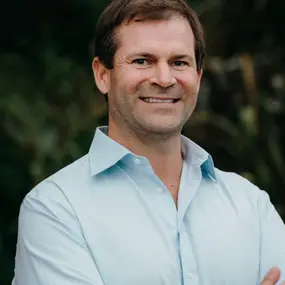
James currently serves as CEO of InvitedHome having joined in 2013.
He was instrumental in InvitedHome's Mountain Resort Destination focus; guiding strategy, leadership and supporting sustainable and controlled growth resulting in the Brand becoming a preeminent player in the ultra luxury vacation rental market.
James' 25 years of experience include luxury hospitality, board of director roles for private companies, non profits and NASDAQ listed companies, capital raising & M&A (both within the Vacation Rental Industry as well as software and venture backed companies) for early & high growth companies, hedge funds, public accounting and large multinational corporations in the USA, Australia, New Zealand and abroad.
Born in Wellington, New Zealand, he lives in Boulder & Telluride Colorado with his wife & children. He has his Bachelors in Commerce & Bachelors in Business Management from the University of Queensland and a Diploma in Financial Markets from The Financial Services Institute of Australasia.
InvitedHome:
InvitedHome is a Luxury Hospitality, Homecare and Villa Management Company with core vacation destinations located in ski towns in the Colorado & Utah Rocky Mountains. Markets include Vail, Telluride, Beaver Creek, Breckenridge, Park City, Jackson Hole, Alta, Aspen & Deer Valley. InvitedHome currently manages about US $1.6B in luxury mountain resort lodges and villas. InvitedHome was 28th in the Inc 5000 in 2015 and the fastest growing company in hospitality that year.