What Hotels Get Right (and Wrong) About Vacation Rentals with Aqua-Aston Hospitality’s SVP of Operations, Tom Waithe


 Apple Podcasts

 Spotify

 Amazon Music

 Castro

 RSS Feed
Key Takeaways
- Transitioning from traditional luxury hotels to vacation rentals presents unique operational hurdles, such as navigating HOA rules, board approvals, and third-party association policies for basic property maintenance.
- Unlike hotels where a general manager has total control over property standards, vacation rental managers often act like politicians, balancing owner relations, individual unit styles, and community politics.
- Standardizing guest experiences across individually owned units requires careful balancing of category-specific versus unit-specific bookings to ensure fair revenue distribution among homeowners.
- Adopting vacation rental-specific property management software is essential for providing transparent financial statements, tax reporting, and maintenance tracking to property owners.
- While direct bookings provide the most lucrative revenue stream, balancing OTA distribution like Expedia and Airbnb is crucial due to the brand recognition challenges of larger vacation rental portfolios.
In the hotel world, replacing a dead plant in the lobby is a simple fix. In vacation rental management, that same task can involve multiple stakeholders, HOA approvals, and days of coordination.
For Tom Waithe, Senior Vice President of Operations at Aqua-Aston Hospitality, this was one of many surprises after transitioning from a decades-long career with major hotel brands, including Four Seasons and Kimpton.
In this episode, Alex & Annie sit down with Tom to explore the operational differences between hotels and vacation rentals, and what the industry can learn from established hotel practices. Drawing from his experience managing both hotels and individually owned vacation rental properties in Hawaii, Tom shares the challenges of maintaining service standards, navigating homeowner relationships, and delivering consistent guest experiences.
The conversation also explores the complexities of vacation rental technology, OTA dependence, direct booking strategies, and guest loyalty. Tom offers a valuable perspective on balancing owner returns with guest satisfaction, and why building strong relationships with both is essential to long-term success in hospitality.
Episode Chapters:
00:00 - Meet Tom Waithe of Aqua-Aston Hospitality
02:08 - From Four Seasons and Kimpton to Vacation Rental Management
05:42 - The Biggest Surprises Moving from Hotels to Vacation Rentals
10:40 - Managing Hotel Operations vs. Individually Owned Vacation Rentals
14:45 - Can Hotel-Level Service Standards Work in Vacation Rentals?
17:56 - Standardizing Guest Expectations Across Different Rental Units
20:57 - Moving from Hotel Software to a Vacation Rental PMS
25:16 - OTA Dependence, Commissions, and the Direct Booking Challenge
30:07 - Navigating Maui's Tourism and Vacation Rental Challenges
35:46 - Building Guest Loyalty Without Traditional Hotel Rewards
40:25 - Community Relationships and Vacation Rental Advocacy in Hawaii
44:40 - Measuring Success Through Owner Returns and Guest Satisfaction
49:42 - Why Repeat Bookings Are a Powerful Hospitality KPI
Connect with Tom:
LinkedIn: https://www.linkedin.com/in/tom-waithe-102a987/
Website: https://www.aquaaston.com/
✨ Exclusive Offers to Alex & Annie Listeners:
Thinking about the next chapter for your vacation rental business?
Connect with Monarch Collective to explore what growth could look like with the right platform behind you.
👉 Learn more: https://gomonarch.com/partnerships/
List your professionally managed properties on VacationFinder.com with no listing fees or booking commissions.
👉 Get started: https://partners.vacationfinder.com/alexandannie
Learn more about dormakaba’s vacation & short-term rental access solutions:
👉 Website: https://dk.world/Vacation26
#vacationrentals #shorttermrentals #hospitality
Frequently Asked Questions
Who is Tom Waithe?
Tom Waithe is the Senior Vice President of Operations at Aqua-Aston Hospitality, bringing decades of luxury hotel experience from brands like Four Seasons and Kimpton into the vacation rental and timeshare industry.
What are the biggest operational differences between hotels and vacation rentals?
While hotel operations allow for immediate fixes and direct control over property maintenance, vacation rentals often require navigating homeowner associations, board approvals, and complex stakeholder relationships for basic tasks.
How do property managers handle varying standards across individual vacation rental units?
Managers often use a mix of category-specific bookings and unit-specific pricing to accommodate diverse property conditions, ensuring both budget-conscious travelers and luxury seekers find suitable options while balancing owner returns.
Why do vacation rental companies transition from hotel software to vacation rental PMS?
Vacation rental property management software provides specialized accounting, transparent monthly owner statements, tax reporting, and maintenance tracking that traditional hotel software often struggles to deliver for individually owned units.
00:00 - Meet Tom Waithe of Aqua-Aston Hospitality
02:08 - From Four Seasons and Kimpton to Vacation Rental Management
05:42 - The Biggest Surprises Moving from Hotels to Vacation Rentals
10:40 - Managing Hotel Operations vs. Individually Owned Vacation Rentals
14:45 - Can Hotel-Level Service Standards Work in Vacation Rentals?
17:56 - Standardizing Guest Expectations Across Different Rental Units
20:57 - Moving from Hotel Software to a Vacation Rental PMS
25:16 - OTA Dependence, Commissions, and the Direct Booking Challenge
30:07 - Navigating Maui's Tourism and Vacation Rental Challenges
35:46 - Building Guest Loyalty Without Traditional Hotel Rewards
40:25 - Community Relationships and Vacation Rental Advocacy in Hawaii
44:40 - Measuring Success Through Owner Returns and Guest Satisfaction
49:42 - Why Repeat Bookings Are a Powerful Hospitality KPI
Meet Tom Waithe of Aqua-Aston Hospitality
Tom Waithe
Quite frustrating at times as to how we get things done. I'm used to it being taken care of in the next five minutes, and this can take five days to get that plant fixed. I can't go and remove that plant because that plant belongs to the association.
Annie Holcombe
It's almost like having a political career. Like, you know, you have to make sure that you're talking to your constituency and making sure that you're appeasing Gladys who lives there.
Alex Husner
How do you really take professionalization of what hotels have done, of what restaurants have done, of what other industries have done, and apply that to short-term vacation rentals.
Speaker
Vacation Finder is hybrid OTA. We were created to empower professional property managers and give them the ability to own the guest relationship. Once again, we position ourselves as more cause related than we do about focusing on profit at the end of the day. I'm Josh Thromberg and I am the CEO of VacationFinder.com. Vacation Finder is exclusively for professional property managers. We require that they be local booths on the ground. Actual individuals are there in the destination that's able to provide customer service and solutions when problems arise. That helps us as vacation finder to really build and establish that trust, not only with property managers, but with the guests that we're trying to really look at vacation finder as their trusted booking source. For anyone that's a property manager that's out there looking to really focus more on even a direct booking model, I think vacation finder is really an opportunity that they need to consider. We are positioned to be the ally to professional property managers in our industry. We want you to own that guest relationship so that you have communication directly with that guest the moment that the booking occurs. So you're the merchant of records on your own vacation finder. And that's been the vision since day one is how can we create this marketplace that's going to put professional property managers in the driver's seat? How are we going to create a marketplace that communicates
From Four Seasons and Kimpton to Vacation Rental Management
Speaker
to guests the value that comes with selecting a property that's managed by a professional property manager? What does that provide to them? And that is what we're trying to do is provide the best possible solution for both guests and property managers. If you love our industry, if you love your homeowners and the properties you represent and the guests that come to stay in your properties and you want to create an experience for them and you want to do right by all the stakeholders, then you absolutely should consider Vacation Finder.
Alex Husner
Welcome to Alex & Annie, the real women of Vacation Rentals. I'm Alex and I'm Annie. And we are joined today by Tom Waithe, who is the Senior Vice President of Operations for Aqua Aston Hospitality. Tom, it's so good to see you. Thank you.
Tom Waithe
Aloha and welcome.
Annie Holcombe
Aloha to you as well. Very excited to talk to you. I grew familiar with Aqua Aston when I worked at the Expedia Group, and a gentleman that I onboarded with was over the Hawaii market. And so I know that you guys are a very big player in the market. But what I found interesting in reading your background is you came from the hotel side. And so you've come over to the vacation rental side. And we want to dig into that, but really want to learn your background and your backstory and how you came up in hospitality and ultimately ended up at Aqua Austin. Aqua Aston. Gosh, we're gonna have a hard time with it.
Alex Husner
Yeah, it's a tongue twister. Okay. Well, that's perfect because that's our initials, both of our initials are AH. So that's very easy for us to remember.
Tom Waithe
Yeah, thank you. Um it's it's a great uh great thrill to be here, and I really appreciate talking to you. I've listened to your show a couple of times, and uh I always get some great insight as to what's going on in in our world. It has been an interesting uh transition going from actual hotels into uh into vacation rentals and vacation timeshare rental uh programs. Uh and probably a little bit more of a surprise than I thought it was gonna be. I mean, it was uh my background is extensively in in hospitality. I started out many years ago uh working for uh a Canadian company called Delta Hotels and then uh eventually migrated uh south into the Seattle area and started working for four seasons, uh, which I uh had a 12-year career with uh in eight different uh parts of the world. From four seasons, I went into several smaller boutique hotels in the Pacific Northwest area before joining Kimton Hotels, where I was for 14 years with Kimton IHG as a regional vice president overseeing hotels in Canada, the mountain region, the Great Pacific Northwest, as well as doing some due diligence on uh properties in all across America. So it it was uh it was a great terrific career. Um there was just at the start of COVID, a transition from uh IHG uh purchased, uh was purchased by Sunesta Hotels, which is the eighth largest hotel brand in America, uh yet not known to anyone. Uh and uh I found myself there for a couple of years before a contact that I had here in Hawaii that I'd worked with at Timpton contacted me and said that she had this role available. And I thought, you know, hotels, vacation rentals, how different can it be? But it uh it turns out to be very, a very different uh and a very interesting uh change, uh, giving me an opportunity to learn
The Biggest Surprises Moving from Hotels to Vacation Rentals
Tom Waithe
an awful lot of new new trips and uh new directions for the hospitality industry. And it's certainly a major push here in the in the state of Hawaii, as well as we're seeing, of course, uh lots of vacation areas that this is actually growing in dramatically.
Alex Husner
Yeah, wow. You've you've definitely had a lot of experience on the hospitality side, that's for sure. I think you might have maybe the most of a lot of the guests that we've had as far as the different brands that you you've worked for there. And one one question I have, Tom, the vacation rental portfolio that you have, are they traditional vacation rentals that they're owned by homeowners or are they owned by Aqua Aston? Traditional.
Tom Waithe
Most of which, actually, we do split this up a little bit. Um most of our properties are traditional, where Joe and Betty from Iowa decide to buy a condo in Maui and uh they sign with us to manage it and rent it out and take care of it for them. We do have, we do operate a few straight up standalone uh hotels, um, and then uh which kind of crossover in between the two.
Alex Husner
Okay. And so my next question would be I mean, what what was the biggest aha moment or just surprise for you when you switched from really being more focused on the luxury hotels into the vacation rentals? Because they are different. There's a lot of similarities, but there's a lot of differences. But what was kind of the biggest, biggest change for you?
Tom Waithe
I I I suppose in a way I I should have asked more questions before starting this role. I was I thought that we were sort of mesmerized by the idea of moving from Seattle, where it's 42 degrees and raining for eight months of the year, uh, to Hawaii. And uh and then the the individual who uh recruited and hired me was somebody I worked very close to with Kempit. So uh and I just kind of thought, well, how different can it be? But uh my my literally my first week, where a very standard from an operational point of view, you know, you you tour the properties and you take a look and you point out, well, that over there needs to be fixed, or this needs to be have attention to, and why are there four people at the front desk? And you ask all these questions. Well, in vacation rentals, an awful lot of that has nothing to do with us. So the fact that there's a dead plant in the lobby, which uh in my hotel world would be catastrophic. I mean, my calling of the aids it is is like, well, that's the association, they're responsible for that. So so having to go through step to step to step to step to get that plant fixed or get that plant replaced, which is going me going to my general manager who goes to their association, who go gets the association involved, who may have an engineer or a garden uh company that is actually contracted for that property, is is a very long and arduous process and quite frustrating at times as to how we get things done. I'm used to it being taken care of in the next five minutes, and this can take five days to get that plant fixed. And I also learned that I can't go and remove that plant because that plant belongs to the association. And so the association will be angry if we do this. And that's a simplified version of touring guest rooms, uh, everything inside the door is ours, and and the guests, and we have control to take a look and and improve and fix that everything out outside that door, including the door.
Speaker 3
Yeah, yeah.
Tom Waithe
Yeah. So I might say these doors need to be painted. Well, yeah, I get it, but that's the association's responsibility, and we can put in a note to the association who will have to go to their board and have to vote on it and have to come up with the money to paint the doors. Hotel world is just taken care of. I mean, it's it's it's a very different uh process. So it's been a learning experience for me. It's uh it's there there's definitely been some frustrations, but I really believe in what we're doing here. I really believe that uh our product provides incredible value and great opportunity for guests and for ownership as well. And so um we're we're making we're making the best we can do, uh, as well as learning to work with these associations and the and the boards who run the buildings uh to actually cooper get them to cooperate and identify that by improving that that property, by improving that lobby, that there's a payoff and ROI on the fact that it it takes the the quality of the of the property up
Managing Hotel Operations vs. Individually Owned Vacation Rentals
Tom Waithe
and thereby increasing the potential returns for an owner. I mean it's all it's all connected somehow in a big in a big giant uh bowl. Um, but it it it is it is a different process for sure.
Annie Holcombe
Yeah, Alex and I both um come from markets that are very heavy in this, and so we have a lot of experience. And I think probably the one thing somebody could have told you that maybe would have um made you run the other direction is this is almost like having a political career. Like you have to run around and these these buildings, it's like you're running for mayor, you know, you have to make sure that you're talking to your constituency and making sure that you're appeasing, you know, Gladys who lives there and and Tom who doesn't. And yeah, I mean it's it's an interesting thing. But I'm curious um, because you you mentioned that you guys have hotels within AAH, so you have hotels and you have vacation rentals. How do you bridge that gap in terms of like the actual operations? Because again, they are so different. And you, you know, I imagine if you go to a meeting and you're like, okay, this property, we've got some plant problems and some door problems, and it's like, okay, this is our six-month plan to get this done. But then the hotels, okay, we have some plant problems and some door problems, and we're gonna get this done in six days. Like, how do you how do you navigate those two very different worlds from from, I guess, from week to week?
Tom Waithe
And our hotel portfolio, which isn't large, has uh everything from a five-star, five diamond property here in Waikiki, the only one in the state, to uh a property that I won't name, but is it's certainly highly challenged by uh its condition, location, and um operation. There is less attention needed and less attention paid to the actual standalone hotels because they literally run like regular hotels, where that general manager is responsible for walking around and saying that door needs to be painted uh and uh and keeping up the standards. And we do inspections with them and we work with the owners of these buildings to identify capital improvement projects that are needed and the other uh portions of the business that need to change to actually improve their profitability. So it it it is a much easier process for us to have these standalone properties, and we're we're actually looking to grow even more on them because we work with the ownership of that building, the ownership group of the building, uh, very much uh looking at their needs, their capital improvements, their bottom lines, and uh building the relationship with them. Several of them are most of them are owned by um by Japanese investors and Japanese corporations, and they tend to be pretty good about uh about maintaining and and working with us to act to get better returns for themselves. But the GMs there take on a different role than the the education rental owners. Just as you said earlier, the GMs at a vacation rental ownership really are politicians, they spend literally half their day dealing with owners, dealing with owner concerns, and just and also just owner PR. I mean, just yeah, most of our are GMs if you when you walk around with them, the owners don't hug them. I mean, they just they're all so connected because first of all, it's it's it's a wonderful vacation area, but also these guys spend time getting to know their kids and they get to know their units, and they know that Joe and Betty are are from Sacramento and how's the weather in Sacramento? So they they have that PR political uh connection and it and it's it's really delightful to see. But half of their day is spent on these owners and working with them, understanding everything from the tax implications of vacation rental to uh maintenance issues. Uh the other half of their day is actually spent with the guests and they're making sure that the guest aspect comes together the way that we want it to, because somebody who has a great experience will tell
Can Hotel-Level Service Standards Work in Vacation Rentals?
Tom Waithe
two friends who will tell two friends to tell two friends. And that's what a lot of our businesses build on.
Alex Husner
Yeah. Wow, yeah, it's it's it's a complicated business for sure. And you know, it's it's it's a beautiful business, but it can definitely get really convoluted. But you know, one thing that we talk about on the show a lot, Tom, and and have talked about it for probably the full five years that we've been doing this is how you really take professionalization of what hotels have done, of what restaurants have done, of what other industries have done, and apply that to short-term vacation rentals. And you know, there's been a lot of different initiatives over the years. I think people have a lot of you know grandiose ideas about it, but at the same time, it's it's a complicated thing because that's kind of why it's a beautiful business, is that every property is unique and it's not supposed to all be the same. But in your mind, you know, do you feel that bringing professionalization to vacation rentals is a reality? And if so, what would be the areas you think can be professionalized the most?
Tom Waithe
Well, I keep on my desk a large spreadsheet uh as to what uh each one of our properties I we have a different uh a different influence in. We have a different portion of the two of our properties in in Maui, we actually operate the front desk. And so thereby I have the ability to go to the employees who are at that property and and work with them on our brand standards and on our improving the guest satisfaction scores and um and just my own personal observations as to how they interact with guests and and what we can do to really make those uh make those experiences better. All of our properties, we operate the housekeeping departments. So there we have an opportunity to work with the housekeepers on the detailing work, on the deep clean, on um on the special touches that we look in our our guest rooms to actually make sure that people walk away feeling really positive about the experience. So each one, which again complicates the business, each one has a different uh area that I can focus on and I can uh implement our standards uh as far as what we're looking for for operations. There are properties that I actually have almost no say in anything that goes on there, really from a service standard, except for, like you said before, being very political and working with the association who controls the front desk, who actually has the control of those employees, and identify that here, especially the providing the Aloha spirit will actually lead them to a better guest experience, which will lead them to better returns for their other units. So it's like a JSON puzzle, quite honestly, as to what we can actually move the needle on. Um, I do get frustrated with our our uh sales and marketing teams who come out and say, you know, you need to you need to have better guest service scores. And it's like, well, take a look here as to what we can actually control because it's a much slower process than just
Standardizing Guest Expectations Across Different Rental Units
Tom Waithe
going out there and doing uh retraining people at the front desk. It's actually working with with all sorts of various levels to actually get anybody to pay attention to what we're trying to accomplish.
Annie Holcombe
Yeah. So on the conversation of professionalization and standardization, there's been a lot of talk in comparing vacation rentals to the hotels in that hotels have tiers. And so they have tiers of what you expect for, you know, your budget, your economy, your, you know, the different levels all the way up to luxury. Well, I guess the question would be first, do you guys define tiers within your rental portfolio? So people come to Equa Austin and they say, okay, I'm looking for a luxury. I know that this is a luxury property. I'm looking for budget. Do you do that? And it do you think that that's something that can be done broadly, given how fragmented the industry actually is?
Tom Waithe
Interesting question. And you you can do exactly what you just identified in that uh there's two variations to selling these units. There's unit specific, which is you will pull up and look at unit 102, and you will be able to actually see what is uh what is happening in unit 102. And when you walk through that door, there's no surprise. That's what those pictures look like, that's what the view is. That is um, that is what you're you're getting. The other side of it is category specific, which simply says a studio, one bedroom, garden view, and you could get you get the run of the mill. So uh whatever is available. We also work very hard to make sure that we put you in a unit that to balance out the house so that everybody gets returns at the end of the month. You don't want to constantly put the same, put guests into unit 102 simply because it has a better view. You want to also use unit 104 because Mr. and Mrs. Smith over there aren't getting anything at the end of the month. And and that actually does happen on a not infrequent basis. Uh, and and and there's there's a call you don't really want to get from an audience.
Speaker 6
No, in that, yeah, yeah, yeah.
Tom Waithe
So so we do have the opportunity because a lot of these units, the especially unit specific ones, have been fully renovated, or owners have put in massive amounts of money to upgrade them. There's a sense of pride in the ownership aspect too, because a lot of the owners come out and use their units or bring their families out, et cetera. So they want the unit to look the way they want it to. And we do have in the same building units that I would consider, you know, four four-star luxury. And then we also in the same building units that up, we are like, well, for our budget-minded traveler, we do have this unit over here, which has not been renovated since 1981. So and and it it those are the challenges, but price points actually uh differentiate an awful lot of this.
Alex Husner
Yeah, I was just gonna say, as you were going in that
Moving from Hotel Software to a Vacation Rental PMS
Alex Husner
direction, I mean, that's where the price is really, really important, and especially in a big portfolio where you've got a lot of different properties, that even the one that, you know, is the 1981 property, if it's priced appropriately and it's still well maintained, it's probably a great property for somebody if that's what they're looking for.
Speaker 4
My name's Matt Sayed. I'm with Secure Lodging Systems. We're a leading access control provider with over 20 years' experience working in the hospitality industry. We primarily work across Hawaii in the Pacific Northwest as a NormaCaba distributor. Norma Kaba builds the technology and hardware. We deliver it as a complete, fully operational solution that's really tailored to how your property actually runs. The reason why we use Norma Kaba is because it's the best hardware in the industry. In order for us to put our name behind the lock, we're really looking for something that's durable, something that's gonna last, something where the customer is gonna see an ROI on that investment. We want something that's gonna be on their door for 10 years, and Dorma Kava lost last. That's where our customers keep coming back. To us. One of the main and biggest advantages to DormaCata lock is we have a standalone solution. We have a lock, the Aura Code 660. That lock will work with or without Wi-Fi. Your property doesn't need Wi-Fi. You just need to have access to Wi-Fi wherever you're located. You log on, you generate a code for your guests, you give that code to your guests, and they work absolutely fair. The feedback we hear most often from property management companies or strata managers that switch over to Dorma Captain is one, the locks are super reliable. They continue to work. There's no batteries dying every two months. There's no corrosion of the locks because these locks are great on hardware rated for salt water environments. And also the ease of the system. The fact that a property manager, for example, can create unique codes for each one of their staff members. They can audit the locks remotely. They can have a physical fee if needed. And they have a solution where they have local rep where if something does go wrong, someone's available to go and help them. And if they call us, they can call the DormaCabit 24-hour online feed. They can call myself directly and we're going to answer them. We're going to support them. We're going to train them. We're going to make sure that they're sustained. I definitely would recommend DormaCabit of Property Managers as a robust, durable electronic locking system that will last them up to a decade, that's easy to use, very functional, and will get their guests into their property and keep their properties.
Alex Husner
If you're ready to take security and access control more seriously, visit DormaCaba to learn more about their products. Click the link in the description. In my history of running condos, that was kind of our philosophy of like you can have a lot of different levels of super, super high-end luxury, and then you can have more standard budget. But as long as they're well taken care of and they're priced appropriately, then you know every condo has a has a place for somebody to stay that's looking to come to the area, basically. But I'm curious on the technology side, Tom. Does the company use more of the hotel-based softwares and platforms, or are you using more of the vacation rental technology that's out there?
Tom Waithe
Just prior to joining your call here, I was actually on another call week. We do operate all of our properties with a hotel-based software. And we are switching starting November 1st into more vacation rental software, uh, a program that uh I'm very excited about because it it really splits up the aspect of actual hotel operation. And then our owners are also, I guess. And so their statements, their tax uh programs, their maintenance charges, all of this is a uh is a very important aspect for them at the end of every month. And um, we have with the hotel software that we presently operate, really chat are challenged with providing them with a clear billing at the end of the month showing what when your you guys rented, any maintenance that needed to be done. Here's what the charges were, here's what your revenue came in, here's the taxes. All of this will come out starting November 1st. And it's uh it's a we're gonna start moving to all of our units. We we're starting with seven of the properties, and then we will be going uh across the board to everything. It's a massive undertaking.
Speaker 6
Yeah.
Tom Waithe
When we started talking about it, I was kind of like, yeah, it sounds good.
OTA Dependence, Commissions, and the Direct Booking Challenge
Tom Waithe
And uh after like 8,000 hours of training and uh questioning, I'm really thinking maybe it was okay before.
Alex Husner
Yeah, yeah, that's a lot to uh to bite off, but it it is tough though. And in my local market here, there's several of the the groups that they're they're condo resorts, but they really, you know, they've got the on-site desk, they run the property, they run the FB, and they really act, you know, function more like hotels, but they are vacation rentals, they're individually owned properties, but they have some of them have off-site vacation rental companies as well. And it's like, you know, they sometimes run both on, you know, what is really more of a core hotel operating platform. And it's really hard, you know. I mean, I it is it's really hard, I think, you know, even from a lot of different angles, but from the distribution angle, from the owner transparency angle, I mean, there's there's a lot of differences in in how they're run. But um, we'll we'll definitely have to do a follow-up with you maybe in like six months so we can see how it goes. Yeah.
Tom Waithe
Somehow I wasn't actually chosen to head this installation. It went to our sales and marketing uh corporate executive, and I have no idea specifically why. Uh, and she has uh really pulled out most of her hair to this point. Yeah, that's uh on the other hand, I'm also incredibly grateful that somehow my name, I guess because I start with a W that's at the end of the list.
Speaker 6
Bottom of the list. Yeah.
Tom Waithe
Just if we get down there far enough. But uh it's a massive undertaking for the 23 operations that we uh we have. And it uh it it really is uh it's going to be a game changer though, once we get through the pain.
Annie Holcombe
Sure. Yeah, and that's and that's and that's the that's the hard part is that if you can see the see the end result where the software it can get you, it's just getting through that headache and then keeping the teams involved and keeping their sites set high instead of getting mired down in the the day-to-day of it because it can be very depressing when you feel like you're not making any progress. But um, since we kind of on the technology and again discussing condo resorts operate a lot like hotels, what is your, I guess, your stance on distribution for these properties? There's been a lot of talk the last, the last few days. Um Airbnb rolled out a new test that they're doing with some people to do like a direct booking link from their site. I think it was really completely targeted at people who just only have Airbnb, not people who have a brand and are marketing and that type of thing. But it kind of you know begs the question like, what does direct booking look like for for Aqua Austin and and what do you what do you do as far as using OTAs to supplement that?
Tom Waithe
Well, um that's a fairly hot topic. Almost, I mean, it it's it's universally a hot topic from a standpoint to to application standpoint. Our brand isn't well enough known for us to do uh uh to get the direct bookings. I mean that we I I'd love it if if everybody in the world just went to opcousten.com and and started booking hotels right there, because that of course is the best revenue for us. It is the most direct revenue stream for us. When you throw in the OTAs and all of the and Airbnb and VRBOs and everything else that we're we we've got our hands in, there is a there is a commission that we pay off to these people. So while we do all of the tricks of the trade to try to get your attention to come to our website to book directly, uh, because it is the most lucrative way of getting that piece of business, most people are still going to booking.com and Expedia and uh all the others, hotel tonight, everything else that comes together to plan their vacation rentals. The the challenge comes with the the commissions that we pay off to those, and in that if we do any sort of uh uh of a discounting to our program, if we have some sort of uh promotional program going where there's a 15% discount uh for booking in November, then uh which is which is great, and that it gets the guest attention. Then the guest goes to Expedia and books there, and then suddenly now they were taking out another 22% commission for uh an Expedia uh booking. Going direct to our specific website certainly is a more lucrative for us, and it's more lucrative for the ownership group, but we don't have the brand recognition. Uh we're not Hilton.com, we're not we're not a big name that people immediately react to. And so it's it's only through marketing and trying to get people to actually pay attention that that's the place to go. Uh that we're successful. So so the the OTAs, the all of the online direct booking things really make up a vast proportion of our of our business and
Navigating Maui's Tourism and Vacation Rental Challenges
Tom Waithe
really are the the way that we are actually getting uh people through the door. But it is a goal all the time to try to get people on that. Same as any hotel company. Every hotel has been in, you know, you you look at that percentage of the OTAs on that are making up your monthly uh revenue streams, and you are always trying to get past that and get back to a different way.
Annie Holcombe
Yeah, and I and I think uh I think a lot of the OTA experience for Hawaii specifically is because people had always booked needed to book air. So it was like a package. So whoever kind of was out in front of the consumer to offer the packaging was the one that was winning. I know when um when I in my Expedia days, the packaging to Hawaii was just it was phenomenal. It was probably the vast majority of the bookings, but that's why they were leaders because nobody, no other channel could offer that. So I think that, you know, maybe, maybe um you need to offer an air component on your direct side. If somebody could do that, like convince an airline to give you some some seats on a on a plane, you might be able to do it that way. But uh I can certainly see how it's a challenge when you're an island because you, like you said, there's there's a lot of things at play.
Tom Waithe
Weirdly, uh weirdly we are in and work with a major airline who flies nonstop all uh all the time uh coming out of here. My God, are you working for the company secretly and you're not talking to me? Because uh you have an awful lot of our inside scoop going on.
Annie Holcombe
Well, I I think I think what that proves out is that um the industry is very similar. You know, we're we're very similar in in markets that are similar. So again, Panama City Beach is a very heavy condominium market, so is Burnle Beach. So we have a lot of I think a lot of similarities there, but um no, not a spy, but certainly certainly a certainly a student of the industry. Yeah.
Tom Waithe
I'll be doing some investigation. Oh, that's funny. The other challenge that we we have, especially uh one of one of the islands, Maui is a is a is an island that is it's really been uh a problem. I hate to use that word, but a challenge. Just due to just due to some really just some really bad stuff that's happened there, from the fires to the recent uh Kona lows, the massive storms that came through. There's been this there's review from the the city council as to the number of vacation rental units that they're gonna allow there. And there's there's a question as to whether people ask even when I've seen it in the booking channels, uh, because I get an awful lot of that material, you know, am I going to be able to stay there? Is it is this is uh is the is the booking is the new uh bylaws that are coming in that are going to prevent me from being able to use that unit. Owners are frustrated, they're concerned about what's going to be happening. The goal of Maui is to try to get uh less vacation rentals and and more of the local people having access to homes. Uh so it it's a mess, basically. So Maui has had all these challenges, and so everyone is coming out with with a plan or a program, and hotels have the have the advantage in that they can offer here's a here's eight million points to stay with us and uh and uh $500 food and beverage code. I don't have that, I don't have the ways to play off of that. Uh, I work with a lot of partners to to provide you with you know free surfboard lessons or a discount on whale watching, but the the big box hotels that that actually populate all over Maui, especially, really have an advantage over us in that they can they can come up with their own in uh in inside packaging, and I'm still out there, you know, just working on the rates and working on this great uh opportunity, and we really promote the fact that because Maui tends to be fairly expensive, we have a full unit for you. You can you can, I mean, as awful as it sounds, you can cook in your unit. I mean, we you know, you can make a spaghetti for your units as opposed to to uh having to take them down to an expensive hotel restaurant. That's our line in at the moment uh to try to actually win back some of this business and get get people's attention.
Alex Husner
Yeah, yeah. And that's always been a great thing about vacation rentals and in good times and in bad times, you can really lean on that as part of the advertising strategy of you're gonna save a lot of money, everybody can be together. Um, yeah, I can definitely see the reason for that. And especially now too. It's like when we travel and we're in hotels, you know, the restaurants, the drinks, everything, it's expensive for one person, two people. But if you're traveling with the family, you know, that you have to have your own separate budget for just for food for the week.
Tom Waithe
Yeah, and and uh before I moved here, I traveled uh many, many times. I lived lived on Maui many years ago. We opened the Four Seasons Maui, and I was just I've just always been in love with Hawaii. So when with my children and my wife and my kids, we we lived up all the time, and it it just became that. It's like, oh, we can go downstairs and have breakfast and spend $120 on pancakes, uh you know, here's some cereal kids, and then we're going to the beach. So those those are that's what we focus on is that not that everybody wants to cook, but there is that option to keep a couple of bottles of wine in the fridge as opposed to hitting the $20 cocktail at the pool. Um we do offer great opportunities. You don't have to, but it's there if you want it. If you're in a hotel room, you don't have that that uh option.
Alex Husner
Yeah. And I know with the properties in Myrtle Beach,
Building Guest Loyalty Without Traditional Hotel Rewards
Alex Husner
two things that were very successful were at the Connor Resorts were the free breakfasts. So if you even just do two free pre two free breakfasts per day, even if there's five or six people, it's not too bad to have that thrown in. But the other one that was kind of a not even a secret, it was everywhere in our marketing, but we gave away two free pizzas with every reservation. And it was like the best deal in the world because we only paid based on redemption. So they'd get their tickets when they checked in. And if they redeem the tickets for the pizzas, which I would say our redemption rate was probably 90%, then we would get charged for them. But that was a great thing that was not rocket science, but just something basic that you know everybody's gonna eat pizza at least once on vacation.
Tom Waithe
So and we do offer uh in many of our properties an opportunity to for gift cards to uh do large wholesale food stores that like Costco and and Sam's Club, et cetera, because a lot of people stop on their way in. They're coming into work, they stop, they load up with with uh with various uh uh boxes of food. And uh and so just as hey, you're going there anyway, and as you say, that but the redemption is what the redemption is.
Alex Husner
Exactly. And so going back to we you touched a little bit on loyalty and how that's still a challenge for you guys. But I mean, how do you look at loyalty? And is that something that you are trying to pursue more of a program across the hotels and the vacation rentals? Because we we talk about that a lot on the show too, and I think there has not quite been somebody that's really been truly successful in that within the vacation rental space, except for Marriott has done you know exceptional with that with homes and villas because of how uniquely set up they are to do it. But how do you guys look at loyalty?
Tom Waithe
Well, Aqua Austin is a division of merit vacations worldwide, so we we actually are hoping um working with them that there is a loyalty program coming our way. We do not at this moment have something specific that we can actually offer you for coming back three or four times, except for the fact that there are properties because they tend to be very uh intimate and and uh very user-friendly. We can recognize that you have been here three times and and work with you on usually it usually it's an advanced uh piece of information. We see you booked a one-bedroom suite. We'd like to upgrade you to a full one one-bedroom ocean view suite as this is your fifth stay with us. I don't have all of the points and all of the other programs, but we know that there's something in the works uh and that we will hope to see it down the road. Uh, but it is a it is based on uh an individual uh property uh recognition program. The nice thing about this new uh system that's coming in play in November is that I'll be able to see which properties of ours that you have stayed at, how many times and your total spend to actually be able to give you the uh VIP attention or the upgrades or at least the recognition that you deserve for coming back and staying with Aqua Austin time after time.
Annie Holcombe
That's interesting. I think um more people are trying to figure that out. So I think that that's good that you have that relationship with Marriott, because um, you know, there's not a better brand out there to be get access to that database for sure.
Alex Husner
If you own a vacation rental management company, this one is for you. A lot of owners have thought about selling someday. Maybe not today, maybe not even this year, but eventually. And when that thought comes up, two questions usually stop people in their tracks. What is my business actually worth? And what happens to the people, the homeowners, the reputation, and the brand that I spent years building? That's exactly why we want you to know about Monarch Collective. Monarch is built for local vacational brands that want to grow without losing what made them special in the first place. When Monarch comes into a new market, the local brand stays. And not just the name on the website, the team stays, the homeowner relationships stay, the reputation you earned in your own backyard stays. But now there's a much bigger platform behind it. You get paid for what you built and the parts of the business that drain so many owners. Finance, accounting, HR, legal, backend operations, they come off your plate. And instead of doing everything alone, you get the support and horsepower to keep growing. You can keep running the business as long as you want. You can step back when you're ready. There's not one version of what this has to look like. And here's the best part you don't have to be ready to sell to have the conversation. Even if you're just curious, Monarch will sit down with you, free and no strings attached, to help you understand what your business could be worth. No pressure to sell, no pressure to sell to them, just a real conversation with people who understand
Community Relationships and Vacation Rental Advocacy in Hawaii
Alex Husner
this industry and respect what local operators have built. So if you've ever wondered what your company could be worth, go find out. Visit gomonarch.com slash partnerships. Actually, I think how we got connected was we had Mike Flasky on the show earlier this year, and we've met him on a couple times actually. And now I'm remembering back in the in the cobwebs of my mind, but that's kind of how we got connected there. And so we talked to him a lot about loyalty. We talked about, you know, how they look at the different types of accommodations. But uh is there a a timeshare vacation club play within Aqua as well? No, no, okay, gotcha.
Tom Waithe
We've had opportunities, we've actually looked at that, but majority of our business has always drifted back either to unique or specific hotel operations and um managing buildings for for hotel owners or else certification rentals.
Alex Husner
Gotcha.
Tom Waithe
Okay, got it. We we are I hate to say we're sort of a stepchild of MBW because MBW has so much more of that. And we're we're we're this oddball out in the middle of the Pacific who actually don't go that direction. So yeah, uh the the one of our senior people actually just said, you know, they leave us alone because they really don't have to do with us. Um they're like, okay, you guys, you guys do your own thing. We've got all this other stuff going on in the main line. So there is great benefit to, as I say, being in the uh in the middle of the Pacific in a different time zone.
Annie Holcombe
Yeah, yeah, sure. You can you they they've done you you're getting into trouble when they're going to bed, so it's all fine, right? Yeah. So I'm curious, um, you kind of alluded to some of the challenges in Maui and um a very hot topic, obviously, everywhere is regulations and then obviously from a management and and owner, like the advocacy part of being active in a community and and being, you know, going going beyond being the mayor of your association, being the mayor of the community. I mean, you need to really network and talk to because you're you're, you know, in some ways, some of these markets are very dependent upon the tourism and they need it to thrive. And then in some ways, like a you know, situation like Maui, there's a very sizable hotel um group. There is uh, you know, a lot of people that were displaced due to the fire. So there's there's friction that is of nobody's doing. It just sort of happened over time and the the fires just exacerbated that. How do you see your company's position in navigating that? Because again, you're sitting on both sides of the of the conversation with hotels and vacation rentals. And so you have to not only advocate for your business, both sides of it, but you're also having to advocate for these owners that want to rent their units in areas that maybe there's locals that are like, oh, we don't want you doing that. So how do you navigate is the best word I can think of? Because it has to be it has to be dicey at times.
Tom Waithe
Because uh Hawaii, Hawaii is a little bit of a unique experience compared to compared to the mainland, in that the individuals who work for us or work in the buildings have actually are usually generational employees. Many, many of them have been with us 30, 40. I mean, we have we have people who have been with us for 40 years, and their kids are working with us, and their their uh their spouses are working with us, and and their cousins. It's a it's a very incestuous uh relationship that goes on. So, because of that, the there is a deep connection to the community, there's a deep connection to what's going on now. Especially uh our four of our properties in Maui, very close to Lahaina, and where the fires were based on that. We were we were part of that uh that disaster. We had people who didn't survive, we had family members who didn't make it. And and the impact of the lack of Lahaina on the business models resulted in in layoffs and resulted in downturns and resulted in an awful lot of negative negative press about what really was going on there. I mean, we still hear from people who are like, you know, is Maui okay? I mean, is is there anything to do when you get there? Um, so
Measuring Success Through Owner Returns and Guest Satisfaction
Tom Waithe
having that community that has been part of our operation and part of who we are, as well as general managers who have been around for in in some cases, again, decades working with us, um, it really ties us to what's going on politically, what's going on emotionally, and and does bridge the gap to the uh the local community where, as you said earlier, there are there are grievances against tourism, there's grievances against the big box properties that come into play. We tend to have an awful lot more of a relationship with the community because of the people who work with us who are really tied to these buildings and tied to the ownership as well. A lot of our owners come out. I mean, they they know the housekeepers, they hug them, they they recognize them, they they they only they only want, you know, the the the a specific engineer into their room because he's been with the the property for 20 years and uh they they they know and they can trust him. So because of our longevity in the islands, we've been around for 70 years, uh, we have had a strong tie to the community, very different than if you were to open a holiday in here where it just seems like this is just another mainland company coming over here and and taking away jobs or providing jobs, but taking away our land, taking away other aspects of uh of what makes Hawaii special. But we've integrated with that so much uh over that uh that we really feel that more of a part of the community than you would find from an outside company coming in off of the mainland.
Alex Husner
Mm-hmm. Yeah, I mean, what what you're describing actually sounds very much more like uh a local company, really, in a lot of ways. You just have you're a little bit different, you've got the different sides of things, but you you've got a lot of the same local principles that a traditional.
Tom Waithe
We promote ourselves as as the local guys. We promote ourselves because I mean our corporate office is on Lulu base. Uh everyone uh we we don't have an office on the mainland except over in Orlando, which is part of NW, which as I said we're the we're the step child up in the Middle Pacific. So uh everybody here is is Hawaii-based, and everybody here is very focused on being part of the community and and really being part of the solution.
Alex Husner
Yeah, yeah. So what what's one thing, Tom? And you're you kind of sit at the the the top there and look at a lot of different departments, but when you're looking at the KPIs of whether or not the business is operating soundly, like what are the main KPIs that you look at?
Tom Waithe
Bottom line is the bottom line. And and the as I said earlier, there are two sides to our business. There's that ownership side, and there is the the guest uh side. I think we have in the really neglected to build the relationship with these owners uh in the past, rec with a lack of recognition as to their happiness, their uh their contentment with us as an operator, uh as from everything from how we maintain to how we operate the buildings. But the bottom, the bottom thing is that when they get that statement at the end of the month, they want to see a substantial return. They want to see a very positive reaction to to the building, to our marketing, to our sales uh efforts. And so it it really is how we uh we provide those returns to people who've entrusted us with looking after this unit. And some of these units have been, you know, the the families have owned them for 30 years, and they're they're they're their their family trusts, etc. And the family comes at Christmas and they're they they are an important part of their family. So we've been entrusted with that to actually provide them with these returns and look after the building for them. So that there's a happiness component uh from a an ownership that we really rely on. And that comes from annual meetings with them, it comes from just general conversations with them, it comes from reactions that that would when they get their their statements and see that they actually have uh had a significant return based on our efforts. Um, HOA fees in in Hawaii are astronomical, it costs a fortune to own a unit. Yeah, I can only imagine. The taxes here are very high, the property taxes. So when you get an owner who says, Yeah, I'm not even covering my HOA from the way you're selling off this unit, it really hurts. And it really catches your attention because there's lots of other people out here doing exactly what we're doing, and they have the opportunity to make that change at any time. So our our goal is to have all of our owners feel good
Why Repeat Bookings Are a Powerful Hospitality KPI
Tom Waithe
about what we're doing and look after that. Then there's the other side, which has always been my focus, which is the guest satisfaction side, which is having guests leave, uh, providing us with feedback or or rebooking. We have there's a percentage uh of guests that within 12 days of departure, they actually rebook their same unit uh with us there. And that's a huge satisfaction score as far as as how we're how we're really uh operating our business and how we're doing with these people. So we look at both sides of that. Happy uh owners, happy guests, and and it it all sort of flows together. Uh I I took this job because I really uh have a very strong feeling that what we do is is important. It's an important aspect from a family standpoint, where uh guests have come out here, you know, parents with kids, and and it's it's 10 days that the kids will never forget. It it is a part of their history, it's a part of of uh of creating a memory when grandma and grandpa came out here, you know, with with the kids for this this experience. And I I really believe that we're doing something good, that we actually leave people out going back with with that wonderful memory and that wonderful moment in their lives. I mean, I I can't tell you what I had for dinner last night, but I can tell you when my took my kids to uh to kawaii and we chased roosters uh in our in the front yard. Uh, I mean, I those are what we're trying to capture here with every guest that's checked into the property.
Alex Husner
Yeah, I I love using that as a KPI rebookings for the following year because that's that's also big in the markets that we're in, and something that I push with my clients all the time of you know, how can you continue to optimize that post-stay or even in-stay journey to make sure that people know that they will get a discount, you know, for if they book early, if they if you, you know, different ways to incentivize time-based. Um, we used to do uh a reduced deposit policy that they would pay just like $100 now and then the balance of the deposit by November 1st or something like that. But, you know, there's there's different ways there. And I think it's it's hard too because the amount of people that want to book that far in advance, I think that has it's changed a little bit, but there still are people out there that want to do it. So it's like, you know, that's that's a low-hanging fruit, doesn't cost you anything. Just it's a great journey to be optimizing all the time.
Tom Waithe
If I can get your information as you're well, when you're staying with us or as you're leaving, and I can actually actively connect with you on with with whether it's a special or whether it's just a reminder. Sometimes we just send people pictures of like the sunset. And it's like, remember when you saw this? Uh and and when you're sending that to somebody in Denver in November, you actually catch their attention, uh uh where where they actually have that they actually will have a feedback. I don't know the percentage, but there is a substantial uh number that that within 12 days, not two weeks, it's 12 days of uh actually after they walk away from us, we have their email, we've sent them usually like if you book now, there's a 10% discount for your next day. They come right back. And they usually want exactly the same unit, which is always a challenge because you have like, oh God, well, that's you know, it's not um, but they they they want the familiarity of knowing that that where that unit sits, that view, and and how easy it is to get to the pool. Um, and uh it it's it's it's really it's really rewarding uh as as part of part of the business that it shows that something's working for you. If something's working, working right.
Annie Holcombe
Yeah. Well, Tom, it has been an absolute pleasure having you on. And I think we need, as Alex uh alluded to, we need to have you back on after you get your PMS completely implemented and see um well, we probably need to have your your salesperson on here to see how much hair she has left. See how she's how she's fared. But um, if there's anybody that'd like to get in touch with you, because I have a feeling a lot of our listeners are intrigued by everything that you've told us and fascinated. And I don't think that we've ever seen you, or maybe we haven't, we just didn't know it at any of the conferences in the mainlands. But so if somebody wanted to like brainstorm with you, pick your brain, learn something from you, how do they get in touch with you?
Tom Waithe
Well, uh the easiest way is through Aqua Austin. I mean, my my website is my name with that aquaustin, but also uh through the major website, you'll see that my profile is part of the team, and you can always just click on it. Aquaastin.com, you'll find me there.
Alex Husner
Great, awesome. Well, it's been a pleasure getting to know you more today, Tom, and and maybe one of these days we'll make it out to Hawaii. We'll try not to go in the summertime because you said it's very hot and humid there right now. So try and go in the winter.
Tom Waithe
Um great fun. Thank you very much. Never hesitate. And uh I I have to cut it short because I had to get out to the beach. You know, that's what we do.
Annie Holcombe
Please go problem time exactly.
Alex Husner
If anybody wants to get in touch with Annie and I, you can go to alex and annie podcast.com. And until next time, thanks everybody.


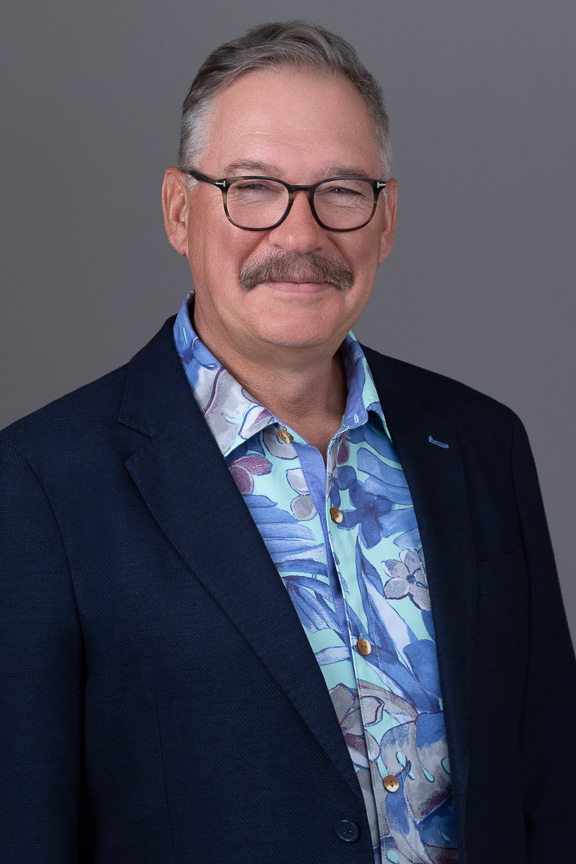
Senior Vice President of Operations
As Senior Vice President of Operations, Tom serves on the executive committee and oversees all property and site operations. He guides strategy, ensures operational excellence, and leads the operations team, Maui Condo & Home, and condo administration groups, including Association relations. Tom brings extensive hospitality experience from senior leadership roles with Kimpton Hotels, Sonesta Hotels and Resorts as well as a lengthy journey at multiple Four Seasons Hotels.