Special Reshare: Alex & Annie on Powering Travel Podcast with Tim Rosolio of Expedia Group


The vacation rental industry has changed dramatically over the years.
The technology is smarter, distribution is broader, competition is stronger, and AI is reshaping how operators work. But some of the most important parts of the business have not changed at all.
In this special reshare, Alex & Annie step into the guest seats with Tim Rosolio of Expedia Group’s Powering Travel Podcast for a conversation about what thoughtful growth looks like as the vacation rental industry continues to mature.
Recorded at one of Vrbo’s Vacation Rentals of the Year in New Hampshire, they reflect on what decades in the industry have taught them about building strong businesses, choosing technology intentionally, reaching new travelers, and keeping hospitality at the center of it all.
Episode Chapters:
02:11 - How Alex and Annie found their way into vacation rentals
06:28 - What has stayed constant as the industry has changed
09:10 - Growth at all costs vs. building a strong business
10:55 - What smaller operators need before they scale
15:52 - Has the vacation rental tech stack become too complicated?
20:00 - Expanding demand through new traveler segments and distribution
24:30 - The role of DMOs in introducing travelers to vacation rentals
28:03 - AI, technology, and the changing meaning of human touch
Whether you caught the original episode on Powering Travel or are hearing this conversation for the first time, this is a timely look at how the vacation rental industry is evolving and what operators should keep in focus as they grow.
Connect with Tim:
LinkedIn: https://www.linkedin.com/in/tim-rosolio-434b2a98/
Powering Travel Podcast:
Apple Podcast: https://podcasts.apple.com/us/podcast/powering-travel/id1620056867
Spotify: https://open.spotify.com/show/4gaaqGF4oxYzdhIF4MZzZv?si=58490146cf3a4b37
#vacationrentals #shorttermrentals #hospitality
Frequently Asked Questions
Who is Tim Rosolio?
Tim Rosolio is the VP of Vacation Rental Partnerships at Expedia Group and the host of the Powering Travel Podcast.
What is the current state of the vacation rental supply?
Industry experts note that the vacation rental market has moved from a pandemic-era demand bubble into a supply bubble, where total property volume is often treated as a vanity metric rather than an indicator of true business success.
Why do vacation rentals offer a different experience than traditional hotels?
Vacation rentals provide a unique sense of togetherness, emotional connection, and multi-generational memory-making that standard hotels simply cannot replicate.
How should property managers approach their tech stack?
Property managers should avoid adopting every new tech tool or AI-driven bolt-on they see and instead focus on a lean, integrated tech stack that truly serves their business operations and protects profit margins.
00:00 - Demand Bubble Meets Supply Bubble
00:47 - Why This Conversation Still Hits
02:21 - Touring A Vacation Rental Winner
03:29 - How Annie And Alex Got Here
07:30 - What Guests Never Stop Wanting
10:11 - Scaling Without Chasing Door Count
15:03 - Oversupply And The Vanity Metric Trap
16:39 - Tech Stack Chaos And AI Reality
20:57 - Business Travel Demand And Smarter Distribution
27:07 - The Stay Experience Tech Versus Human
33:31 - Closing Thanks And What Comes Next
Demand Bubble Meets Supply Bubble
Tim Rosolio
We had the demand bubble during the pandemic, and then it actually created the sense that this was perhaps easy and that this could potentially be like the get rich scheme. And we're actually now in a little bit of a supply bubble.
Alex Husner
We've noticed over the last few years it's been growth at all costs. And people coming into this, they saw this as this huge opportunity to get rich quick, as we always say. And then they realized this is actually a much harder business than than I thought.
Annie Holcombe
It's like this, I gotta get this because it's the newest and that's the latest and that's the greatest. And the AI is a great example. The number of people that I have in my inbox that want to show me their new AI tool on a weekly basis is just mind-numbing.
Tim Rosolio
I'm of the opinion that in this category right now, the volume of supply you have is a total vanity metric.
Why This Conversation Still Hits
Annie Holcombe
I'm super excited to reshare an episode we recorded earlier this year. This one's a little different. We sat down with Tim Rosolio for the Expedia Powering Travel podcast, recorded on-site at one of the RBO's Vacation Rentals of the Year, right in Alex's home state of New Hampshire. We got into some of the hottest topics in the industry, and honestly, it's one of our favorite conversations we had all year. So we wanted to reshare it. Whether you caught it the first time around or you're hearing it fresh, we think it's worth the relisten. So sit back and let's get into it with Tim.
Tim Rosolio
Hello, and welcome to the Powering Travel Podcast, brought to you by Expedia Group. I'm Tim Rosolio, VP of Vacation Rental Partnerships here at Expedia Group, and I'm back in the host chair for season six. Today I'm gonna talk with two experts in the vacation rental business, the hosts of Alex and Annie, the real women of vacation rentals, Alex Housner and Annie Holcomb. A little about them. Alex Housner has over 15 years of vacation rental experience. She was CMO at both Condo World and Cossego, and today she runs her own consulting firm, Directly Alex, from her home in Myrtle Beach, South Carolina. Annie Holcomb hails from the Florida Panhandle, where she has over three decades of experience in hospitality and tourism. After a stellar career at major market leaders like Expedia Group and Mariette Bonfoy, she struck out on her own. At her firm Annie Co., she helps hosts and managers of short-term rental properties with everything they need to succeed. Together, they have been podcasting for more than over 200 episodes, sharing interviews with leaders and inspiring voices in the industry, as well as actual takeaways from hard-won experience. Let's get into it. All
Touring A Vacation Rental Winner
Tim Rosolio
right, well, here we are again. We did vacation rental of the year last year, it was virtually from uh Temecula, California. Here we are today in New Hampshire. So what do you think? Vacation Rental Year? You think this place is worthy? Oh my gosh.
Annie Holcombe
Absolutely beautiful. And just talking with the owner and the mindfulness that he put into every little detail.
Alex Husner
And you can just tell he really loves this home. And I think that's the cool thing is when we get to talk to you know smaller hosts like David, that everything is so intentional and he just wants his guests to have an incredible experience here. And they've really tailored everything about the home to create those memories, which is really cool.
Tim Rosolio
Verbo obviously works very heavily with professional property managers, and we have a good bit of allegiance to professional property managers. But there certainly are individual owners that deliver amazing experiences. And that's why my perspective is always like if you deliver the goods, I don't care who manages the project. Right. Yeah. Exactly. And he's a very good example of an individual owner that delivers the goods.
Annie Holcombe
Yeah, you can tell every every little in detail he just he thought of it from his own experience and perspective and how it would impact his family when he vacations and what that would do to somebody vacationing here.
How Annie And Alex Got Here
Tim Rosolio
I mean, I've known about you guys for years, probably long before we met, you know, you've your sort of uh names and faces in the vacation rental industry. But the interesting thing is like when you're little, you didn't dream of being like, oh, I'm clearly gonna work in vacation rentals, right? So maybe tell us like, how did you get here? How do we all end up in this industry? When I was, how did you get into the vacation rental industry and what's kept you here?
Annie Holcombe
So I actually was a gymnast and I thought I was gonna go to the Olympics. That was my dream. I had actually gotten injured and ended up having to stop doing life for a while. And and when I um got back into doing life because I had to have some reconstructive surgery, I had to I started working on a front desk at a hotel. And I loved it. I realized hospitality was where I needed to be. And so a couple of years after, you know, being in hospitality, I was working for a company that was managing hotels and they morphed over into vacation rentals. And that was how I got into the industry. I was doing um helping with growth and business development and talking with developers and talking with homeowners associations and talking with owners. And I just realized like it was just a really cool industry. So this was like in the late 90s before it was really a big thing. And I was in the pain handle, Florida, which is a very large market for vacation rental capital of the world. Exactly. I mean, outside of Orlando, it's the second biggest in Florida, but I think I just got hooked on it and I had tried to leave twice and then just it draws you right back in. I think it's the people, it's the stories, it's the honor of being part of people's experiences, whether it's the first time to go to the beach or the last time. You know, it's it's just an honor to be part of that. And I think um, you know, for myself, it just it tugged at my heartstrings and kind of like what gave me passion and drive was just connecting with people. And so I just never left.
Tim Rosolio
Yeah. Yeah. Good place to be. How about you, Alex?
Alex Husner
I'm gonna tell a story that actually you don't even know. Which you've heard just about all of them. Um, you know, I'm from New Hampshire. I grew up in New Hampshire, so this is homecoming for you. It really is a homecoming for me. But when I was little, I dreamed of being a broadcaster. And my dad has videos of me. There's a tradition in um Conway, New Hampshire, which is maybe, I don't know, a half an hour from here, where they do this duck race that they put these rubber ducks at the top of the waterfall and they all go down the river. And my dad would take me every year and I'd pick ducks out of the out of the river, totally ruining their chances. But I would interview the ducks about the race that they were in. And so my dad said when we started the podcast, he was like, This makes perfect sense. Like, this is always what you want to do. Um, but how that ties into vacation rentals. Um, I I was in in Myrtle Beach, moved down there, another vacation rental, Mecca. Um, got started with Condo World and was there for 13 years and you know, had an incredible career with them, and just saw the impact that, you know, being part of a company that, you know, really gives you that opportunity to grow and just seeing how much could still be done within the industry of what we were what we were building, what else was out there. And it's a very close-knit community. Um, and it's just, you know, I can't imagine working in another industry because I would miss all my friends so much, to be honest.
Tim Rosolio
But yeah, it is cool how we get to you see a lot of the same folks. Yeah. And they're typically sort of hospitality junkies like us. Yeah. And you build friendships over time, which is which is really fun. I think I can certainly attest um, you know, when Expedia executives, when they start getting in front of the vacation rental crowd, they're like, this is this is a different feeling in our industry. Not as buttoned up. Yeah, it's not as buttoned up. At the same time, like they notice the passion that everybody, everybody has for the category. So it's an exciting place to be, right? I mean, you know, for me, I always say the hotel business or the airline business, like that's very developed. In vacation rentals, especially with the online portion of it, we're still kind of in the second inning, right? Yeah. Like there's still the opportunities to move big mountains. So there's a lot of change that's happened, there's a lot of change that's coming.
What Guests Never Stop Wanting
Tim Rosolio
But I'd be curious if you two have noticed, is there anything that like has remained the same throughout all of this? If you started in the 90s, you probably were at a time where uh I don't know, people were mailing checks, people were looking through faxing, yeah, through catalogs. Yeah, uh bookings were happening, I guess, over the phone. Like that's a very different time in terms of the booking process. But in terms of the hospitality and customer care and stays, what are some of the things that you think remain constant?
Annie Holcombe
I think it's the purpose that people are traveling for. When you go to a place like this beautiful house in New Hampshire, you're going there to be with you're you're going there to be with your friends and your family and kind of just have that experience that you don't get in your day-to-day lives because we everything is just so fast-paced. So I think that that's never gonna change. People are still gonna want to have those connections. And again, like I said, if it's whether it's the first time that you're you're taking a, you know, a an infant to see something or it's grandma's last trip. I mean, it's everything in between, and it's all those experiences and those emotional bonds that happen that that that is always gonna be part of vacation rentals that you don't get at a hotel, and you're never gonna get that at a hotel. Not that people don't have experiences at a hotel, but there's just an emotional connection you can have in a vacation rental that you can't in a hotel.
Tim Rosolio
Yeah, part of it's the togetherness. Yeah. And that's also like I hadn't never thought about this until you mentioned what you just said is like there's almost like a circle of life, like element to vacation rentals. Because it's something that many people do their entire life, uh, literally from being being children and being the kids that are in the basement ruckusing with toys, and then maybe you get a little bit older and you're the ones that are hanging out by the fire, and then someday maybe you're bringing your children. I mean, it's uh it's a very special category. And because you're staying together, it's just different than the hotel.
Alex Husner
Absolutely, exactly. Absolutely, yeah. Yeah.
Tim Rosolio
How about you? What are your thoughts on what's stayed the same?
Alex Husner
What stayed the same? I mean, honestly, I would answer the same thing. Um, I think what has changed, I'm gonna spin the questions a little bit. That's the same, but what has changed is that the brands that have done really well over time with still being able to deliver that experience but still stay relevant in the world of where OTAs are dominated a lot, are the brands that show the memories of the guests. That they really, I mean, they're not just showing the properties, but they're showing how those memories are actually made and the impact that it makes on those families and those travelers.
Tim Rosolio
You know, we as a platform, you know, we encourage, we encourage property managers to build a brand. Yeah. Because that's a brand that we can showcase on Virgo. Yeah. And we can not just tell about the home, but we can talk about the consistency of experience that you saw when you were at Costco. Yeah.
Scaling Without Chasing Door Count
Tim Rosolio
Um a lot of what you guys do in your consulting work these days, though, is trying to figure out like how the hell do I make this scale? So, like, what are the tips and tricks for property managers for how they do that? What are the like, what are the nuggets that you say, like you must do this well?
Alex Husner
We've noticed over the last few years it's been growth at all costs. And you know, people coming into this, they saw this as this, you know, huge opportunity to, you know, get rich quick, as we always say. And then they realize this is actually a much harder business than than I thought. And they go into it sometimes thinking, I'm fixated on the number of doors that I have. I have to get 50 more. I need to be at 200, I need 300. And you look at the legacy companies that have done well and are still standing the test of time. That was never their mentality. I mean, they grew over time and they might have uh, you know, acquired other companies and grown organically, but they were trying to build a good business at the core. I mean, a lot of these businesses are are family-run businesses that are passed down to generations. So it wasn't as like, you know, fierce as terms of making decisions and and scaling so quickly for people that are trying to grow. I think you have to really uh think about what the end game is and what you're trying to build as is it a legacy business? Is it a business that you're gonna sell, whatever that is? But then, you know, look at how you're building it with the people and the tech that are gonna support it in a meaningful way. And sometimes growth doesn't look like overnight, sometimes it looks like a year or two years longer than you thought.
Tim Rosolio
I mean, especially as private equity gets involved. I think there's a lot of dialogue that's out there about like what's the race to the exit. But if you were to like talk to like some mutual friends of ours like Tim Cafferty or Miller Hawkins, they'd be like, when I started, when I started this, I wasn't thinking about how I would exit. I was thinking about how to feed my family. Yeah, how to feed my family, to employ people in my local location and to deliver great experiences. And along the line, both those guys and a lot of other people have made some money, but it wasn't it wasn't about how do I get to this this exit unicorn. Yeah.
Annie Holcombe
Yeah.
Tim Rosolio
What else do you what do you do you see in your consulting work?
Annie Holcombe
So I actually um work or am focused on working with the smaller operators. And and what I saw from being at different companies was that the smaller operators, especially post-COVID, weren't getting good information. I'm not gonna say that that it's wrong, but it necessarily wasn't setting them up for long-term success. Um, so they weren't going into it with a strategy. They weren't going into it with thinking like I need to have a brand, I need to have an ethos for my company, like I need to do all this stuff. So I think I talk a lot about distribution. You know, there are some people that have just, you know, they've grown and they've scaled and great and they they did this, you know, growth at all costs, and then all of a sudden find themselves 200 properties with no website, only using one channel, and they're calling their looks.
Tim Rosolio
Using verbo, right? Of course, of course. All of their bookings come from verbo.
Annie Holcombe
All of their bookings come from verbo and they're running 100% occupancy.
Tim Rosolio
Yeah.
Annie Holcombe
Um, but that's not the case with everybody. So I, you know, I think it's just that people get into like the operation and all of a sudden they're five years into it and they're like, oh my gosh, like what am I supposed to do with that? So I try to, I want to get these people when they're entering the space and they're 10 units in and they're thinking, okay, well, I do want to grow to 20 maybe this year and maybe 50 next year, but what do I need to do to take those next steps? Well, so to me, it's like, are they using every tool that Virpo can provide for them? Are they using the breadth of the Expedia group? I mean, having worked at Expedia, I know the power behind that. And so you have all these channels that do have depth and breadth that you could use. And so I think sometimes people forget that there's a lot of options out there to be mindful of. You know, do you want to attract new owners? Well, there's there's a different, you know, channel for that. Do you want to, you know, go into new markets? There might be different channels for that. You know, we talked about international business. Like, where's that, you know, verbo is verbo can help with that? And so I think that people don't think of those things. They're thinking, how many units can I get? How much occupancy can I draw? But they're not thinking, like, how am I going to do all those things together? And so it's just trying to grab them in the very beginning to make sure that they have access to information through, whether it be VRMA, through the association, or working directly with their Virgo rep or their other channel rep to get that information and understand exactly how it impacts their market because all markets are different. There's that going back to kind of, you know, your comment about where vacation rentals are compared to hotels and, you know, we are in a early stage. And I think that if you're in the early stage, you can be more thoughtful about it. But we're also in a situation where there is no norm. Every market is so inherently different, which puzzles the hotel people because they can say every Marriott is the same wherever you go, you know, every Hilton is the same wherever you go. But it that's not how vacation rentals are. Every one of them is its own little property, its own.
Tim Rosolio
And there's no, I mean, let's let's face it, there's really no standards.
Annie Holcombe
Yeah, which is a whole different conversation. And that's the opportunity in my mind. Absolutely.
Tim Rosolio
What I was thinking about as you were saying that was you were saying that some of these companies that are newer, they don't have they didn't have a strategy.
Oversupply And The Vanity Metric Trap
Annie Holcombe
Where we were and yeah, it was just a lot of people. You just had to have a bed and a room and you could get to go.
Tim Rosolio
Somebody was willing to do that based upon where we were with demand volume and supply volume. Now, I would actually argue, I mean, if all the data I look at indicates that we had the demand bubble during the pandemic, and then it actually created the sense that this was perhaps easy and that this could potentially be like the get rich scheme. And we're actually now in a little bit of a supply bubble because you had all the supply that came on, and even though the industry is growing, it hasn't grown at a pace to fulfill the expectations, the expectations of all those people that came on, which is I think why we're ripe for smart people like you to level up some of these folks that need support and turn doing this right at scale and actually need a strategy because I am of the opinion in this category right now, the volume of supply you have is a total vanity metric.
Alex Husner
Yeah.
Tim Rosolio
And that's for OTAs and that's for property managers. It's a matter of do you have enough selection that will be fulfilled? And when in fact it is fulfilled, the experience is amazing and creates a sticky traveler. And for me, I think most markets, most markets are probably oversupplied right now. It's really, it's really about do you have the best homes and the most consistent operators? Another thing I'd like to dig into, just as you were talking about some of the tools, like how do you guys think about the different technology that's out there? Software,
Tech Stack Chaos And AI Reality
Tim Rosolio
CRM, um, owner relations. Like what are you seeing in the tool space?
Alex Husner
There's way too many. Yeah. Yeah. There's way too many. Yeah, it's very fragmented. And I think we've been trying to solve for problems that we've created over the years. And I mean, you look at a property management system at its core, is really it's not PMS, it's a BMS, it's a booking management system, right? It doesn't really manage your business, though. I mean, it's it's managing the bookings. And so because of that, you've got to have all these other bolt-ons and other things that have to be part of it because it's gotten so complicated as an industry. But I think a lot of managers, I mean, they're looking at their tech stack and it's like, you know, our margins are already small. And when you've got to pay a dollar a night here or $3 here, or a percentage on this and that, it's like, it just, it really, really adds up. And you you can't go to VRMA and walk around the trade show and say, yep, I'm gonna do this, this, this, this, this, because by the time you get home, like there's nothing left. Yeah, and it's it's gonna drive your team absolutely bonkers. So we have a lot of managers that come at look to us to ask, you know, what are the what are the best systems? What's the best type of you know, tech stack that's the leanest tech stack that I can have to operate the most efficiently, to be the most profitable. Um, I one of my clients is Boom, which is an AI property management system, which is AI at its core. And I mean, the the mission of that is to, you know, really consolidate so that you don't have to have all these other tools because when the AI has access directly to everything going on in the business, it can actually execute on your behalf too, um, versus some of the bolt-ons. And I think, you know, AI has become a buzzword, but it's it's not even a buzzword anymore. It's just it's it's day-to-day and everybody needs to accept it. And it should make our businesses easier. But in a lot of cases, I think it's making it harder for companies because they're trying to add it into things that some of these systems were built many, many years ago, and the AI is not going to help.
Tim Rosolio
Yeah, it it creates some complex, almost like overly complex decision making, right? Because there's certain things that are available in the core PMS, then there's things that you can partner with, and then there's probably an evaluation of like, well, what I like, what do I actually not really need at all? Yeah, can I can I can I operate a profitable and successful business without this thing?
Annie Holcombe
It's like the shiny penny. You know, it's like this, I gotta get this because it's the newest and that's the latest and that's the greatest. And the AI is a great example. The number of people that I have in my inbox that want to show me their new AI tool on a weekly basis is just mind-numbing.
Tim Rosolio
Yeah.
Annie Holcombe
And when I go and I look at the what their tool is or what their background is, they were a banker six weeks ago, you know? And so it's like if you're not in this business, you know, it just goes back to like this is a unique business and you have to understand the uniqueness of it and how operations exist before you can really provide somebody with a tool that's going to help them. But there's just so many out there that are people just flash and they think they have to have. And so they find themselves, like Alex said, you know, with so many bolt-ons that they don't necessarily need because they might not even be using their PMS to its fullest extent because they haven't asked the questions. And maybe the rep that they're working with, or maybe that they're small and they don't have a day-to-day rep, they have to know what to ask. And I think that that's for me, for like from the Annie and Co. perspective, is like helping them at know the questions that they need to ask before they get too far down the road and find themselves buried under, you know, as I think it was Lena Maldonado called it the Jenga tech stuff. The leaning leaning, the leaning tower of tech. Yeah. Yeah.
Alex Husner
And one thing I wanted to add to that too, I think when you look at the US markets, the legacy vacation rental markets, the Myrtle Beach, the Panama Cities, the Outer Banks. Uh Roy, my uh boss at Conworld used to always say, it's like monkey see, monkey do. So if my competitor is doing it, I'm I'm interested and I'm gonna check it out. But if they're not doing it yet, we're gonna wait and see, you know, and that's very much still the mentality in a lot of these markets of like, we're gonna keep what we have, but we're gonna wait until somebody else does it. And then if they do it, then we'll do it. You go overseas, and that's very different. I think internationally, property managers are much more open to trying things. Um, but their tech stacks over there have not gotten outrageous like they have in the States. So they're trying to solve problems from a more holistic uh approach, I think, which that's been interesting in my work of just seeing the conversations of they're like, Yeah, let's sign up, let's do it.
Annie Holcombe
There's some extremes on both sides of it, but I think as a as a whole, people don't really think what that tech stack's gonna do to them in the long run.
Tim Rosolio
Yeah. So that's on like a lot of like the efficiency
Business Travel Demand And Smarter Distribution
Tim Rosolio
side. Let's talk about growing top line. I mean, uh, Annie, I mean, you're sort of an industry veteran, uh, even including your time of Expedia, really understanding like the power of B2B and channels. Um, we're making a big deal about putting vacation rentals into B2B. From your experience of seeing how inventory in the hotel space, you know, initially it was probably basically like, well, you had direct and you had Expedia and Hotels.com and maybe Priceline.
Alex Husner
Yeah. Yeah.
Tim Rosolio
But now inventory is a lot of places, hopefully, relatively seamlessly. What's the vacation rental journey to get there?
Annie Holcombe
So it's interesting. I um we were talking earlier about like sports travel. And so I was in the Panama City Beach market years ago. There was, I worked at a convention property that was had torn down and build we had hotels and we had um vacation rentals were coming online. And so I had done the sports market because nobody wanted to work the sports market. They're like, ugh, it's moms, it's baseball teams, they, you know, they make everything dirty. They're they're loud, they're you know, whatever. Well, when I got condominiums and vacation rentals, it was like literally. Adding rocket fuel to my sales. There's a gentleman in our community that called me Fast Pitch Annie because I worked with the Fast Pitch baseball or softball teams. We sponsored every event, but they wanted that. They needed the washing machines. They needed to be able to, you know, get dinner together so they didn't have to go out to a restaurant because it was expensive because of these travel teams are going to an event every other weekend.
Tim Rosolio
It sounds like kind of a racket. It's I'm glad I don't have like a child that does this because yeah, my son didn't do it, but I was a gymnast and we traveled a lot too.
Annie Holcombe
And that alone is like, there's just so much value to it. So, like going back to like from the Anico perspective, it's talking to somebody, like understanding their market. And then with the business, it's like what businesses are in your market that are bringing people in. Panama City Beach is a great example at this point. We're rebuilding from a hurricane from 2018. Our Air Force base was destroyed. So they're rebuilding it. It's going to be the base of the future. So it's got a lot of people coming in from construction. They're there for months at a time. You're going to have to do your laundry. You're not laundromats aren't a thing. And you want to sit on a bed when you're done with that. I mean, you want to have a place to work. You want to have a place to relax. So I think that overall, vacation rentals serve a great purpose in the business. Are they for someone that's going into a market for two nights? Probably not. But if you're going to be there for a week, two weeks, you know, you're there as a remote business for a while, it makes perfect sense. So to me, it's like, you know, I say this all the time. The hotels are entering the space. They're doing it. What Marriott Bonvoy did with the homes and villas product, I mean, they knew that they were losing people to the vacation rentals from their, you know, from their platform. They were losing that loyal hotel guest. And so they understood that. So I think that there's a synergy for these two pieces to work together better. But as a, you know, as from business perspective, people are going to continue to want to bring their families on these trips and extend and make it that bleisure trip that, you know, used to not be a thing because it was you went on your business trip, you, you know, you had to come home to be with your family, or that was, you know, your your business maybe didn't allow for that. But I think trying to find work-life balance has has, you know, bled over into this. So vacation rentals absolutely need to be in the business sector.
Tim Rosolio
I'm actually thinking more from a perspective of like then like also distribution. Like if we're trying to access that business traveler or that uh travel sports parent, like how do we think about getting these vacation homes distributing more broadly to get more eyeballs on perhaps more people that aren't or they're looking for more than the annual beach bash?
Annie Holcombe
Yeah. So you have to, I mean, you have to work with the channels that can get you in front of that. So, like, I mean, there's, you know, the American Express Travel Agencia being on GDS is really important. Um, I think that again, a lot of property managers and a lot of hosts, they don't know that that exists. So for me, it's like educating on like what does your market look like and what kind of businesses can you tap into that are bringing people there. And that's the channel that, you know, whatever channel they're booking through, because it could be a travel service, it could be, you know, a lot of it is with travel agencies through GDS, that type of thing. So I think that's what you're getting at is more than that. 100%. Yeah.
Tim Rosolio
Because like in my mind, it's like with all the hard work that we've done replatforming, that enables us to think about vacation rentals beyond verbal. And I mean, I'd be curious to hear how you're thinking about in Myrtle Beach, like the most traditional of all vacation rental markets, where the vast majority of the bookings are the annual beach bash.
Alex Husner
Right, right. Yeah.
Tim Rosolio
You have some experience with like the DMO and the Chamber of Commerce. Like, how are you guys thinking about bringing in new travelers?
Alex Husner
You read my mind. Yeah. That's why I wanted to go with it. Um, no, I was just gonna say that I think you know, the onus is also it's really on the DMO in these situations, especially when it comes to um sports tourism, because typically those fast pitches of the world, those different groups, they're starting at the DMO level. Um, and it's really, those are the conversations that to me make the most sense of how do we make sure that those organizations know there's more than just typical hotels to book when you come and the benefits of that, right? But we just had uh an episode that aired recently that we talked about, you know, DMOs and short-term rentals working together. Myrtle Beach is an example of a market that works very well together, Panama City Beach also. There are many markets that it does, it's the vacation rental sector is not as welcomed because there's more hotels that really don't want them to be part of it. So, you know, it is a market-by-market type thing, but we're we are both from markets where we've seen it done successfully. And when these uh organizations come to Myrtle Beach, they're gonna see the destination. They're gonna think, I want to come back here with my spouse, or I want to come back here for a girl's getaway. And that next trip might be at a hotel, you know, or vice versa. So it's like it really, you have to look at it from like the broader scale of you want more people coming to the destination. We want them to see the vacational product. They might not stay there every single time, but that's okay. You know, it's about awareness.
Tim Rosolio
Yeah, and then magical things happen because it's my understanding in Myrtle Beach that there's like Canada week or something like that, but you're in Myrtle Beach.
Alex Husner
And they swim in the ocean in March. Yeah, it's crazy, but you're fine with it.
Annie Holcombe
Had one city beach, there's a prom for our snowbirds. Like they have a prom, they have a like a uh a Valentine's Day prom for the Canadians.
Tim Rosolio
Yeah, that that might be a conversation we need to learn more about later because it's that sounds like a whole thing.
Annie Holcombe
It's it's probably a whole thematic episode.
Tim Rosolio
What's
The Stay Experience Tech Versus Human
Tim Rosolio
the one thing that you need in a vacation rental to stay? And it probably depends on the type of trip.
Alex Husner
I like to stay at places that are nicer than where my home is, to be honest. Like I want to stay somewhere that is different and unique and gives me a different uh feeling than than what I have at home. And I have a nice house at home. But like I want to stay in a place like this that this is a completely different experience than than where I live. You know, there's water, we're on the waterway, but this is on a lake, and like just the architecture here is like it just gives a very different vibe to it. So I like to stay places that just give me a very different feel.
Annie Holcombe
I like the experience. I think that, you know, again, getting out of what your normal comfort zone is, trying something different. Um, we've been able to, Alex and I through the podcast, have been able to travel to Europe a little bit the last couple of years. And just to be able to, you know, I stayed in um actually a property in Milan. We got to be in a residential, like in a building with other people like that were Italians and like kind of live their life like vicariously through them every day and like get recommendations for restaurants and where to go. And I think that's just something in a hotel, you know, you you depend on the concierge. You're not running into somebody that lives in the building that can say, like, yeah, don't go to that restaurant, you need to go to this one, or you know, don't go to this museum at that time, go go with this time. And so that's what I want is I want to come away with some really core memory that I won't ever forget.
Tim Rosolio
Yeah, it makes it it certainly makes it different. Well, you know, one of the things I really love about this house is, and you guys talked to David, like guy's an MIT professor, and he's very tech oriented. Um, I think it's cool that when I walk in this house, like it's got like nice technology, but I don't feel like I'm in like an episode of the Jetsons.
Alex Husner
Yeah.
Tim Rosolio
There's no like talking refrigerator or anything like that. I think everybody in this category is trying to balance power of technology, convenience of technology with human touch. Is there anything that you guys have seen in your consulting work that sort of threads the needle there?
Alex Husner
I think with AI, things are going to change a lot. I mean, a human touch is is really evolving as as far as like what that really means, whether we like uh self-check-in or checking in at an office. And I was actually surprised that you said you like checking in. You like to go to an office. I like people. Yeah. And and I do too. But at the same time, if I've been traveling, I want to get to the property. I'd rather be able to get in. So I love the the convenience of just being able to get into the property. But at the same time, I think the main thing is, for me at least, is the human touch is I want to be able to get information as I need it. I don't want to come into this house and have to read manuals because the technology is so complicated that I don't even know how to turn the lights on. Like I just I want it to be intuitive. Um, but I think where AI is starting to come in, and and and we've seen this um in clients that we work with, that the AI is getting so good conversationally that it's becoming people think that it's it's better than a human, right? And one um client that I know of in Sweden, their AI agent has been asked out to coffee or lunch or dinner 11 times in the last three months. And that never, he said that has never happened when they had real people. Is that like the movie her? Right? What's going on here? Exactly. Exactly. And I think at that point, that's maybe when they reveal, like, oh no, like Sophie is actually like not real. Um, but people go back and forth with it, and you're getting so much more thorough information that you know the human touch is kind of evolving into people wanting information when they need it in a way that's going to answer their questions before they have to keep asking more and more and more questions.
Tim Rosolio
It's gonna be amazing how it all, how it all evolves. And it's a great example of useful technology. Let me ask you though, do you ever like check into like a fancy hotel? Like it, like maybe the W would be like this. You get in, you see the shower, and you're like, I don't even understand how this works. Right.
Alex Husner
Oh, yeah.
Tim Rosolio
This is too complicated.
Alex Husner
All the time.
Tim Rosolio
Whatever happened to just, I don't know, I turn this and I pull that and the damn thing's on. Yeah, it drives me. I digress.
Annie Holcombe
It drives me. Have you ever stayed in any of the Technology Ford properties in Vegas? They're notorious for that. Like Tell me more. And when they first opened, they had like a touchpad and it would do the curtains and it would do the lighting, and it would do that too. It would everything. It was crazy, but it was like they don't tell you how it works. It's just like your room has a master control. That's all you get when you walk in. So you're pushing buttons and all of a sudden, like at 3 a.m., all the curtains open because you had no idea. You know, so this is Vegas.
Tim Rosolio
I don't need that open right now.
Annie Holcombe
You definitely don't need that. But I think I think it is. I think you know the technology piece of it is really important and it can help um demystify some of the things that have to be done in the business. But I, you know, I am a an emotional touch person. I'm a hugger. Like I I like to see that and I like to see people and and I like to.
Tim Rosolio
Do you think you'd ask out the uh the AI mod? All right.
Annie Holcombe
I mean, no, I wouldn't ask out a stranger that way, but we're gonna find um a balance in it. And I think it started to like swing where it was like technology was taking care of everything, and people were so dependent on the technology to handle the check-in and handle the reservations and handle all this. And yes, AI is gonna be able to answer questions that come up, but I still think at the end of the day, we're humans and we want to have human interaction. And if we start to feel like it's robotic in nature, that you know, that that just to me takes away like the whole experience of what a vacation. I couldn't go stay in a hotel and get that.
Tim Rosolio
Digging in like a bit more though, like you mentioned though, that you like you like going and picking up the keys at the centralized location. Yeah. Like what do you like about that?
Annie Holcombe
I like to have a solid key. You know, you're checking in at night and the battery pad has died because they didn't, you know, they didn't know it was running out and they weren't taking, and you can't get in and you can't get hold of somebody.
Tim Rosolio
Like they used to sleep on the porch.
Annie Holcombe
Right. And then I mean, if I had a key, I could get in.
Alex Husner
It's interesting too, because it's like I can't even remember actually the last time that I got a hard key at a vacation rental. But in my history at Condo World, when you would walk walk into the building, we had a wall of keys that was as long as this. And what could go wrong? Yeah, what could go wrong? Exactly. Um, but that's just how it was at that time. And during COVID, when guests couldn't come into the office, we had the unique situation that our office was a huge raised beach house style office building. So we created downstairs like a Chick-fil-a drive-thru check-in. And guests still love that. But we got the best kind of fun. It was, it was.
Tim Rosolio
Did you have waffle fries? Or it was a few years. Was there any snacks?
Alex Husner
Snacks? No snags, no snags. But it was a well-oiled machine. And guess we got the best reviews that summer that we had to do it because people were like amazed that we were able to pull that off. Meanwhile, the competition, people are still having to wait, you know, in the sun on a Saturday in July for an hour outside waiting to one person at a time to go in to get their key. So yeah.
Tim Rosolio
We've moved on from that, thankfully. Thankfully, that's probably a good stopping
Closing Thanks And What Comes Next
Tim Rosolio
point. But uh thanks so much for joining us here and for being amazing stewards for our category.
Alex Husner
Thank you guys. Yeah, thank you for having us and all the support. Yeah, you've got to be a good thing. You have a great team, it's been a lot of fun.
Tim Rosolio
Yeah, shout out to the yeah, the partner success team, which does such an amazing job for everybody. So good things to come.
Alex Husner
Yeah, yeah. Sounds good. Thank you.
Tim Rosolio
Thank you.
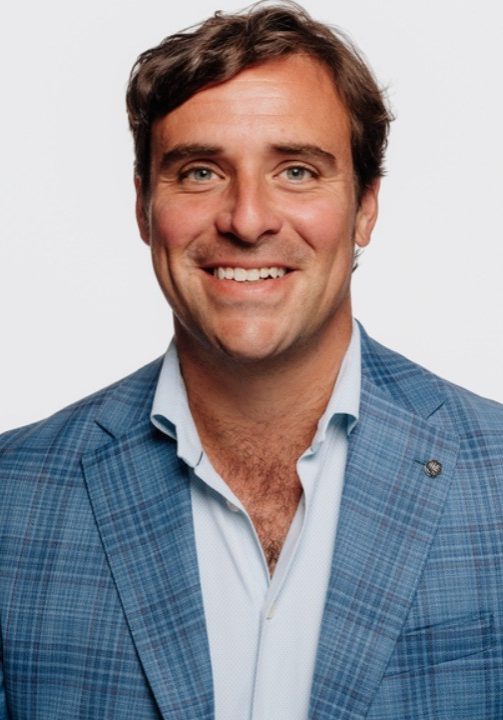
Vice President of Vacation Rental Partnerships at Expedia Group
Tim Rosolio currently serves as Vice President of Vacation Rental Partner Success at Expedia Group, a position held since March 2020. In addition, Tim has held the role of Senior Director of Supply Strategy & Transformation at the same company. Previously, Tim worked at HomeAway from May 2015 to May 2022, where responsibilities included Director of Partner Success Strategy and Director of Business Transformation. Tim’s career began at AlixPartners, serving as Director from June 2006 to August 2015. Tim is an alumnus of the University of Texas.