Bridging the Gap: How to Talk to Owners About Vacation Rental Rates When They're Nervous
Ever feel caught between an owner's urgent request to slash rates and your data-backed revenue strategy? It's a common tightrope walk in vacation rentals. This post dives into how to navigate those conversations, turning owner anxiety into a productive discussion about rates and strategic pricing.
Key Takeaways
- Owner anxiety about booking pace is normal, but reactive pricing can harm long-term revenue.
- Focus conversations with owners on data and market trends, not just immediate booking numbers.
- Educate owners on how short-term rate drops impact perceived value and future demand.
- Frame rate discussions as strategic adjustments, not panicked reactions to open dates.
- Empower owners with insights into your pricing methodology to build trust and understanding.
The Owner Dilemma: Anxiety Versus Understanding
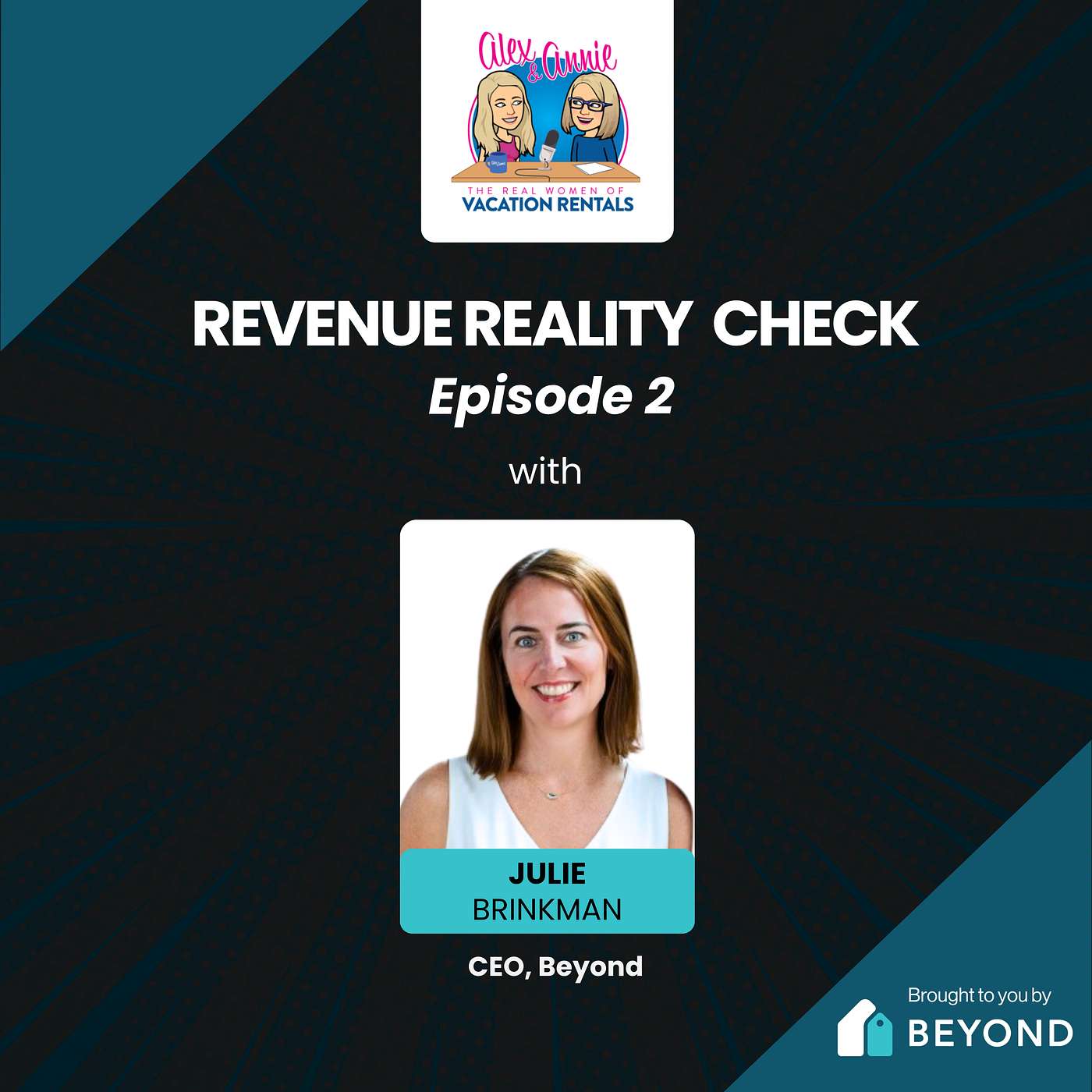
In the fast-paced world of vacation rentals, property managers are constantly balancing the art of revenue management with the art of client relations. One of the most challenging scenarios arises when owners, observing their calendars and perhaps comparing them to past seasons or competitor properties, express anxiety about booking pace. Their immediate reaction often is to suggest lowering rates to fill dates. While understandable, this impulse, if unchecked, can derail a carefully constructed revenue strategy. Julie Brinkman, CEO of Beyond, highlights this exact point in the Alex & Annie Vacation Rental Podcast episode, "Revenue Reality Check: What to Do When Revenue Plans Do Not Go as Planned." She stresses the importance of not letting one anxious owner dictate the pricing for the entire portfolio. This isn't about dismissing owner concerns; it's about reframing the conversation and guiding owners toward a more strategic understanding of pricing and market dynamics.
Understanding the Root of Owner Anxiety
To effectively address owner concerns about rates, it's essential to first understand the source of their anxiety. Owners invest substantial capital into their vacation rental properties. This investment often comes with the expectation of consistent income to cover mortgages, maintenance, and ultimately, provide a return. When they perceive a slowdown in bookings, their immediate thought process often jumps to price. They might not have the granular data or the industry expertise to understand that certain booking patterns are normal, that seasonality plays a significant role, or that a slight dip in pace now doesn't necessarily mean a disastrous year. Julie Brinkman often emphasizes that owners may not fully grasp the nuances of dynamic pricing, booking windows, and market segmentation. They see open dates and equate it directly to lost revenue, leading them to push for immediate, across-the-board price reductions.
Moving Beyond Reactive Pricing Conversations
The key to navigating these discussions lies in shifting the focus from reactive price cuts to proactive strategy communication. Instead of simply agreeing to lower rates, property managers can use these moments as opportunities to educate and build trust. Begin by acknowledging the owner's concern. Phrases like, "I understand you're concerned about the booking pace for July, and I appreciate you bringing it to my attention," can go a long way. Then, pivot to the data. Present information on current market demand, competitor pricing, and how the property's rates align with its unique value proposition. Explain that a well-defined revenue strategy isn't just about setting a price; it's about optimizing revenue over the entire booking window. Short-term rate reductions can sometimes signal a decrease in perceived value, making it harder to command higher rates later. It's about strategic adjustments, not panicked reactions.
Leveraging Data to Justify Rate Strategy
Data is your most powerful ally when talking vacation rental strategy with owners about rates. Instead of relying on anecdotal evidence or gut feelings, arm yourself with concrete information. Show owners reports on occupancy rates, average daily rates (ADR), and revenue per available room (RevPAR) for their specific property and comparable properties in the area. Highlight any upcoming local events or peak seasons that justify current or even slightly higher rates. Explain how your pricing tool or strategy accounts for factors like day of the week, seasonality, local events, and lead time. For instance, you might show an owner that while current bookings might seem slow for a date six months out, the average booking lead time for that period historically is much shorter, and the current rate is appropriately set for optimal revenue capture closer to the date. This data-driven approach helps to demystify the pricing process and demonstrates that decisions are based on market intelligence, not arbitrary choices.
Educating Owners on Long-Term Value
Beyond immediate booking pace, it's crucial to educate owners on the long-term implications of their pricing decisions. A strategy that focuses solely on filling every single night, regardless of price, can devalue the property in the eyes of potential guests and the market. Explain that consistent, strategic pricing builds a reputation for quality and value. When guests see a property consistently priced at a certain level, they perceive it as being worth that amount. Frequent, significant price drops can create an expectation of discounts, making it harder to achieve optimal revenue in the future. Discuss how the revenue management strategy aims to maximize revenue not just for the next month, but for the entire year. This perspective helps owners understand that sometimes, holding firm on rates is the best strategy for their investment's long-term profitability. Julie Brinkman's insights on having backup plans and not jumping into reactive decisions are particularly relevant here. It's about building a sustainable model, not just a short-term fix.
Building Owner Confidence Through Transparency
Ultimately, fostering strong relationships with owners hinges on transparency and clear communication. When owners understand the 'why' behind your pricing decisions, they are more likely to trust your expertise. Regularly scheduled updates that go beyond just booking numbers can be invaluable. Share insights on market trends, marketing efforts, and how the property is positioned. If an owner expresses concern, schedule a dedicated conversation rather than addressing it in a quick email. Use visuals, like charts and graphs, to illustrate your points. Empower them by explaining the different levers you can pull – from minor rate adjustments on specific dates to offering packages or promotions – rather than just the blunt instrument of a blanket price decrease. This collaborative approach, informed by data and strategic thinking, is what transforms potential conflict into a partnership focused on maximizing the owner's return while maintaining the integrity of the vacation rental business.
To hear more about navigating revenue challenges and strategic pricing, listen to the full episode of the Alex & Annie Vacation Rental Podcast featuring Julie Brinkman.
Frequently Asked Questions
What is the biggest mistake property managers make when owners request rate reductions?
The biggest mistake is often making reactive, across-the-board rate cuts without consulting data or considering the long-term impact on perceived value and future booking potential. This can devalue the property and set a precedent for discounts.
How can I effectively communicate market data to an owner who is anxious about bookings?
Present clear, visual data such as booking pace comparisons, competitor ADRs, occupancy trends, and demand forecasts. Explain how these metrics inform your pricing strategy and why current rates are strategically set.
Should I ever adjust rates based on owner feedback about booking pace?
While owner feedback is important, it should be one factor among many. If adjustments are made, they should be strategic, data-informed, and aimed at optimizing overall revenue rather than simply appeasing immediate owner anxiety. Focus on targeted adjustments rather than broad discounts.
How can I help owners understand that a lower booking pace now doesn't always mean lower annual revenue?
Educate them on booking windows, seasonality, and lead times. Show historical data that demonstrates how bookings often pick up closer to the stay date, especially for well-priced properties. Emphasize that the goal is to maximize revenue over the entire year, not just fill every available night at any cost.