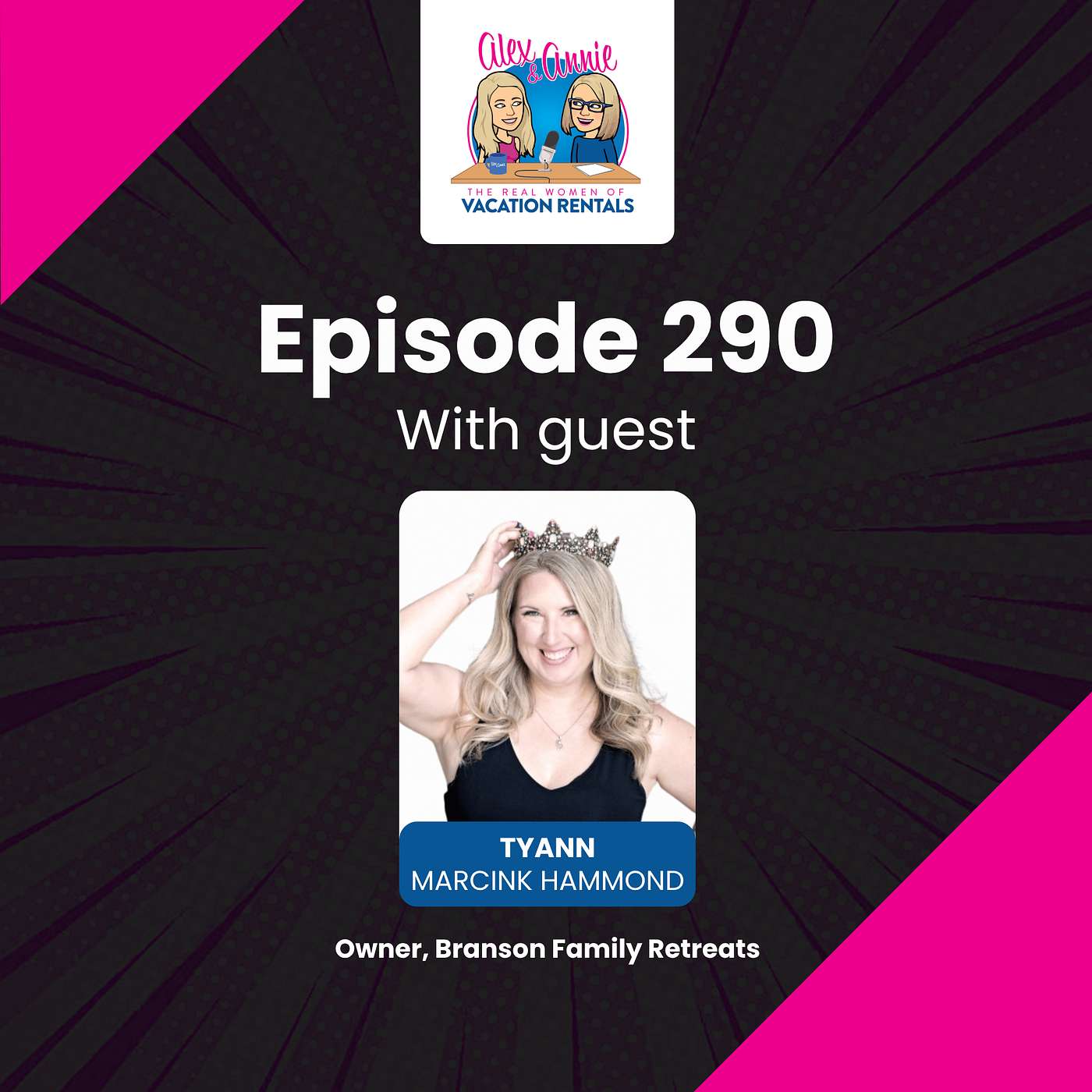
Moving From Reactive to Proactive: How to Partner With Local Realtors on STR Policy
Property managers can successfully influence local short-term rental policy by forming strategic alliances with local real estate associations. By collaborating with Realtors, operators can create model ordinances that protect property rights while meeting community needs. This approach shifts the conversation from defensive firefighting to constructive policy-shaping that ensures long-term business sustainability.
Key Takeaways
- Realtors are powerful allies because they share a vested interest in protecting property rights and local real estate market health.
- Proactively drafting a "wish list" for model ordinances allows managers to set the tone for policy discussions rather than reacting to restrictive bans.
- Building relationships before a crisis occurs is essential for securing a seat at the table when legislative changes are proposed.
- Collaboration often leads to more effective, simplified language that helps both city officials and hosts understand their rights and responsibilities.
- Shared data and community education efforts help change the narrative from "greedy operators" to "essential service providers" during high-demand events like major sporting matches.
Why Realtors Are Your Best Policy Allies
In the world of vacation rentals, the first instinct during a regulatory threat is often to band together with other property managers. While solidarity among managers is vital, relying solely on that group can create an echo chamber. To effectively influence local government, you need to expand your coalition to include stakeholders who carry significant political and economic weight—specifically, local Realtor associations.
Shared Economic Interests
Realtors have a fundamental stake in the value of the properties they list and sell. When a city proposes draconian short-term rental restrictions, it doesn't just impact a manager's revenue; it impacts property values and market liquidity. By framing your advocacy efforts through the lens of property rights, you align your goals with those of the local real estate community. When policy threats emerge, Realtors are often the first to notice the potential drag on the market, making them natural partners for your cause.
How to Co-Create Model Ordinances
One of the most effective strategies discussed in the industry is the development of a model ordinance. Rather than waiting for a city council or planning board to present a draft that you must fight against, take the initiative to supply them with a framework that works. When you partner with a group like a local Realtors commission, you increase the likelihood that your proposed language will be taken seriously.
The Power of the Wish List
When you approach a partner organization to draft a model ordinance, don't just provide vague feedback. Compile a specific "wish list" of items that are critical for your operation. This list might include clear definitions of what constitutes a short-term rental, reasonable permitting processes, and fair taxation models. Tyann Marcink Hammond suggests that when you come to the table with a pre-written, thoughtful proposal, you often find that your partners are not only supportive but can actually improve upon your ideas with concepts you may have overlooked.
Long-Term Relationship Building
The biggest mistake managers make is attempting to build relationships only when a crisis is already unfolding. At that point, officials are often defensive and focused on addressing public outcry. The most successful advocacy occurs when you have established a presence during calm times.
Integrating Into Your Community
Invite city officials to industry events. Create educational opportunities where you demonstrate the professional management of your units. By humanizing the industry, you remove the stigma that often leads to knee-jerk regulatory reactions. When city leaders know the names of the local professionals managing properties in their district, they are much more likely to call for input before finalizing rules in a "dark room."
Conclusion
Advocacy is not a one-time task; it is an ongoing commitment to being present and prepared. By shifting your strategy from fighting individual battles to building a broad coalition—starting with your local Realtors—you can help shape policies that are both fair and sustainable for the entire destination. To hear the full story of how this collaboration works in practice and how it saved a local industry, Listen to the full episode. Join Alex and Annie as they break down the critical steps you need to take to protect your business and your community today.
Frequently Asked Questions
Why should I work with Realtors instead of just other property managers?
Realtors bring greater political influence and a shared concern for property values. Aligning with them legitimizes your advocacy and shifts the narrative from a business-specific squabble to a matter of general property rights.
What is a model ordinance?
A model ordinance is a set of proposed rules and regulations created by industry stakeholders. By providing this to local government, you establish a "proactive" position, making it easier for officials to pass balanced legislation instead of creating restrictive, untested bans.
When should I start building local government relationships?
You should start immediately, long before any regulatory threat appears. Building trust and rapport during times of stability ensures that when a conflict does arise, you have a direct line of communication with officials who already view you as a responsible, engaged member of the community.
Beyond Lower Fees: How Property Managers Can Build Trust for Direct Bookings